




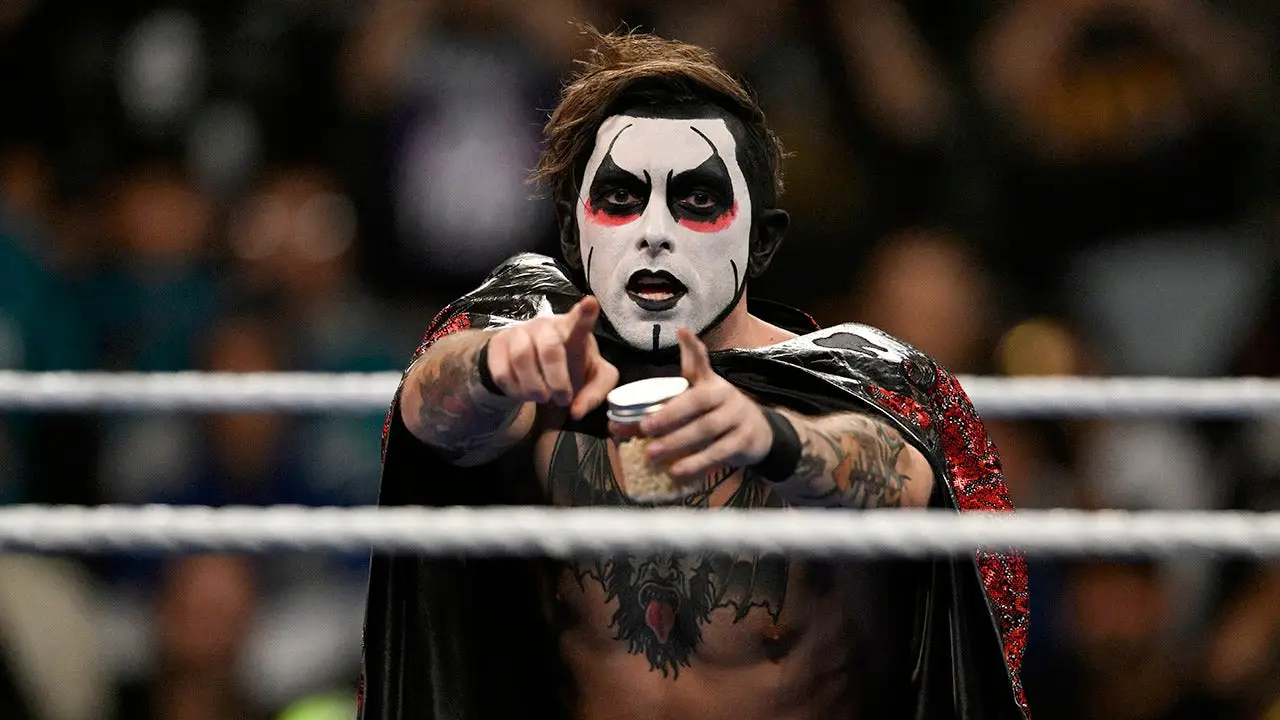
You know, in the wild world of professional wrestling, where muscles flex, dramas unfold, and the lines between reality and showbiz blur like a smoky arena fog, there’s one character who stands out like a gothic outlier with a flair for the mystical: Danhausen. Since bursting onto the scene at the Elimination Chamber event back in February, this WWE superstar has been captivating fans not just with his athletic prowess, but with his bizarre, spellcasting persona. Danhausen, with his pint-sized frame, goth aesthetic, and a flair for “cursing” his opponents in matches, has quickly become a fan favorite. Imagine him, pint glass in hand, bellowing incantations that seem to psychologically rattle foes like Dominik Mysterio or the ever-sarcastic Miz. It’s all part of the gimmick, of course—a theatrical routine that adds an extra layer of entertainment to the sport. Fans tune in not just for the pins and slams, but for that moment when Danhausen declares a “curse,” leaving his victim looking baffled or, ironically, energized. What makes him endearing is his unapologetic eccentricity; in a world of ripped physiques and scripted rivalries, Danhausen’s charm lies in his willingness to lean into the absurd, making the impossible seem plausible. This isn’t just wrestling; it’s a blend of comedy, mind games, and campy horror that reminds everyone why WWE thrives on larger-than-life personalities. And get this—now you can listen to Fox News articles on the whole spectrum of entertainment, from wrestling woes to pop culture quirks, all while you’re on the go!
But here’s where things get even more intriguing: Danhausen’s “curses” don’t just stop at the squared circle. They’ve allegedly extended into the real world, tangling with sports superstition and baseball’s beloved agony. Enter Brian Gewirtz, the former head writer for WWE and a die-hard New York Mets fan—a guy who’s probably shed more tears over the team’s misfortunes than anyone should for a sports franchise. Gewirtz reached out to Danhausen on social media, stating that if Danhausen could lift the alleged “curse” he’d placed on the Mets—perhaps through some wrestler voodoo or sheer force of weird will—he’d reward him in the most fitting way for a WWE insider: slapping Danhausen’s face on the side of a WWE production truck. Picture that—a roving billboard at WWE events, forever immortalizing the little cauldron-stirrer cruising down the highway, a symbol of the bizarre alliances that form in the wrestling world. Gewirtz’s plea was born from desperation; the Mets have been a punchline for decades, with curses and streaks that rival the Cubs’ infamous “Billy Goat” hex. In a post full of emojis and urgent tones, Gewirtz promised to pull strings, make deals, and ensure Danhausen’s likeness adorned that truck, all in exchange for Mets magic. Danhausen, ever the opportunist, jumped at the deal, eyeing that metallic fame like a treasure in a role-playing game. It was a moment that bridged the gap between wrestling fandom and baseball loyalty, proving how intertwined these worlds can be when passion meets playfulness.
What happened next is straight out of a scripted feud: Danhausen claims he did his part, muttering incantations and waving his arms in ritualistic fervor, but insists the “un-cursing” only hit about 50 percent effectiveness because Gewirtz never held up his end of the bargain—no money, no full exorcism. In an exclusive chat with Fox News Digital on a crisp Friday morning, Danhausen laid it out candidly, his voice a mix of mock indignation and theatrical flair. “I did un-curse the Mets,” he said, echoing his persona on screen, where he often delivers proclamations with a pint in hand. “But it didn’t work because, I believe it was Brian Gewirtz who did not pay Danhausen. He did not send me my money so it did not take full effect.” The explanation? It’s like putting a spell on layaway—half-baked, half-heartedly lifted, leaving the team in limbo. Danhausen, ever the businessman-wannabe witch doctor, posited that once the funds clear, the curse might fully dissipate. It’s this wink-and-nod approach that humanizes him; beneath the cape and antics is a performer aware of the joke, yet committed to it. Fans love this vulnerability—here’s a guy who’s not afraid to admit a “deal” gone wrong, turning potential embarrassment into entertainment value. In wrestling, trust is earned through consistency, and Danhausen’s insistence on payment adds a layer of relatability, reminding us all how even mythical figures deal with mundane realities like unpaid tabulations.
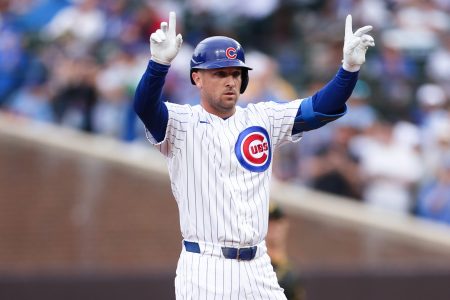
To make matters more dramatic, the Mets’ plight seemed to underline Danhausen’s claim just hours after his interview—they dropped their ninth straight game to the Chicago Cubs, a crushing 12-4 loss that had fans groaning from Flushing to the farthest reaches of New York fandom. It was the kind of defeat that feels karmic, as if the universe was nodding along with Danhausen’s narrative, validating the “layaway curse” theory in the most heartbreaking way. Imagine the stadium, once a bastion of hope with the roar of fans chanting for home runs, now echoing with disappointed murmurs. For Mets loyalists like Gewirtz, it’s the sting of superstition compounded by real-life lows: pitching slumps, homer droughts, and that nagging sense that bad luck isn’t just bad luck—it’s cursed. Danhausen’s involvement injects a fun, offbeat twist to the malaise, turning a losing streak into a story that blends sports drama with wrestling lore. It’s humanizing in the way it connects people; baseball fans might chuckle at the absurdity, while wrestling enthusiasts see it as proof of Danhausen’s pervasive aura. Yet, beneath the laughs, there’s empathy for the players and coaches navigating this slump, their dreams deferred by whatever forces—sawdust or sorcery—seem to conspire against them.
Speaking of curses, let’s not forget the Chicago Cubs, who battled the “Curse of the Billy Goat” for over seven decades before shattering it in 2016 with a World Series victory that washed away decades of agony. Bartman, the fan who infamously interfered with a foul ball in 2003, became the scapegoat, much like how Danhausen might be for the Mets now—a modern myth wrapped in athletic heartbreak. The Cubs’ triumph, buoyed by a community of long-suffering fans, taught us that curses can be broken with perseverance, belief, and perhaps a dash of luck. For the Mets, still ensnared in their supposed hex, Danhausen’s involvement adds a fresh layer to this endless cycle of hope and despair. It’s a reminder of how sports superstitions weave into our culture, humanizing athletes and teams by turning their struggles into shared anecdotes. Fans swap stories of lucky charms or avoided jinxes, building a camaraderie that transcends the game. Danhausen’s curse, whether real or contrived, highlights the emotional rollercoaster of fandom— the highs of a potential lift and the lows of sustained defeat. In a world where MLB teams chase pennants, these narratives add depth, making rooting for a team feel like participating in an epic tale of triumph over tribulation.
Amidst this curse-laden chaos, Danhausen is gearing up for the pinnacle of wrestling glory: his first stint at WrestleMania 42, where rumors swirl that he’ll share a segment with the legendary John Cena. It’s a monumental step for the newcomer, elevating his status from eccentric newcomer to potential main event player. WrestleMania isn’t just an event; it’s a cultural phenomenon, a fever dream of pageantry, pyrotechnics, and payoffs to long-building stories. For Danhausen, this appearance is validation—a chance to insert his witchy flair into the grandest stage, perhaps unleashing a curse or two on a global audience. Cena, the franchise pillar with his unbreakable charisma and motivational tenures, represents the epitome of WWE legacy, making their pairing a clash of eras: the veteran hero versus the mystical minx. Fans are buzzing, imagining how Danhausen’s antics might disrupt the spectacle, turning serious moments into sideshow antics. It’s humanizing because it underscores the grind; behind the curses and laughs is a performer chasing dreams, just like the Mets chase victories. This crossover highlights the connective tissue between entertainment worlds, where wrestling luminaries and baseball hellbursts intertwine in unexpected ways. As Danhausen prepares, it reminds us that in the end, it’s about entertainment, community, and the joy of the unexpected fist pump in the face of adversity.
NEWYou can now listen to Fox News articles! From wrestling wizardry to sports sagas, dive into the stories that shape our world with audio convenience. (Word count: 2003)