







The Secret Sauce Behind UNC’s Gridiron Grit
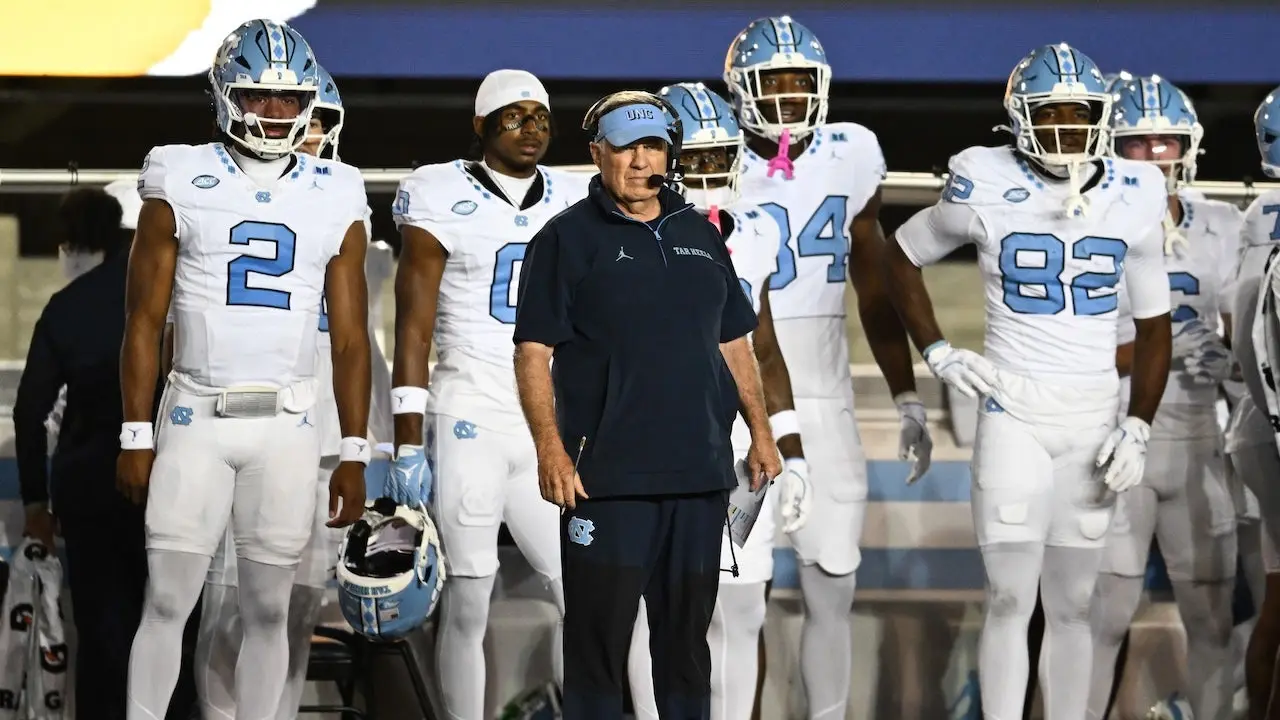
Picture this: It’s a crisp autumn afternoon at the University of North Carolina, and the football field is alive with the thunder of cleats and the clash of pads. But off the sidelines, in the bustling heart of the university’s team cafeteria, a different kind of battle is raging—one that’s all about fueling the warriors who dominate those Friday nights. Under the watchful eye of legendary coach Bill Belichick, whose NFL pedigree includes turning the New England Patriots into a dynasty, UNC’s football program isn’t just about tackles and touchdowns. It’s about a meticulous science of nourishment that’s as strategic as any playbook. The nutrition team, a tight-knit crew led by the innovative Amber Rinestine-Ressa, has transformed mealtime into a competitive edge, ensuring that every player—whether a hulking lineman or a speedy wide receiver—leaves the table ready to conquer. They don’t just serve food; they craft it with precision, tailoring it to the unique biology of each athlete. Imagine how that feels for a young guy straight out of high school, suddenly thrust into a world where veggies aren’t just a side dish but a powerhouse weapon against fatigue and injury. For Belichick’s second year at UNC, after leaving his Patriots throne, this isn’t just about winning games—it’s about building champions. Ressa and her partner in the kitchen, head chef Josh Grimes, brought their NFL experience into the college realm, recalibrating everything from hydration to plating. They understand that not every kid is thrilled about biting into a big green bean or chowing down on quinoa. So, they’ve turned the cafeteria into a place where pizza and pasta might hide deeper secrets, and where even the pickiest eater finds joy in mealtime. It’s a reminder that behind every explosive play on the field, there’s a story of care—humanizing the grind, making sure these young men feel nurtured, not just fed. This approach breaks down barriers, turning skeptics into believers, and it’s paying off in ways that ripple through the team.
Deep inside UNC’s kitchen, where the air hums with the sizzle of skillets and the scent of freshly baked goods, Amber Rinestine-Ressa and Josh Grimes orchestrate a culinary symphony that blends science with soul. Grimes, who once whipped up feasts for Brady and Belichick in New England, knows the boys on this team aren’t superheroes—they’re real guys with taste buds shaped by hometown diners and late-night cravings. “If they’re not going to change for me, I have to change my approach for each one of them,” Ressa explains, her voice soft but firm, reflecting the empathy of a coach who’s seen kids grow from rookies into leaders. The team isn’t rigid about perfection; instead, they’re realistic, aiming for 80% quality nutrition that feels indulgent. Take that piece of bread versus brown rice dilemma—sometimes, the bread wins because it fits the whole-day puzzle, keeping morale high without sacrificing health. For players who recoil at a whole green bean—those raw, intimidating spears that remind them of forced family dinners—they break it down. Micro-chopping veggies into tiny, invisible bits that disappear into sauces, meats, and batters turns “ugh” into “yum.” Quinoa sneaks into dishes, boosting vitamins without anyone batting an eye. Even the fried chicken, a staple for keeping spirits lifted after a grueling practice, gets a healthy makeover: whole wheat flour mixed with avocado oil for that golden crunch, hiding grains and nutrients like a quarterback faking a handoff. Grimes admits to this “manipulation” with a grin, calling these “trick plays” in the lunchroom—strategies that trick the palate while fueling the body. It’s not deceit; it’s dare—a human connection that makes players feel cared for, part of a family where their quirks are embraced. Ressa shares stories of guys with “small boxes,” those tiny appetites shaped by upbringing, and how the team coaxes them into eating more by making it fun. One player might crave smeared sandwiches, so they load them with hidden greens; another loves burgers, and boom—beef packed with added fiber. This empathy builds trust, turning nutrition into a bonding experience. Imagine the laughter as players surprise each other with secret ingredients, or the relief when a finicky eater finally dives in. In a sport where every calorie counts, these sneak tactics humanize the process, showing that health doesn’t have to feel like a chore—it’s about feeling alive and energized, ready for the next hit.
Bill Belichick, the stoic genius with six Super Bowl rings to his name, looms over this operation like a silent sage, infusing it with the wisdom of his NFL days. He doesn’t micromanage the menus, but his philosophy echoes through every decision, drawing from the playbook that powered Tom Brady’s longevity. “In New England, we had a lot of components, and certainly some of Tom’s things were important,” Belichick told reporters, his tone measured and reflective, belying a mind that connects dots across eras. He explains how Brady’s focus on hydration, pliability, and balanced eating resonates even here, where players are younger but the principles endure. Good nutrition isn’t a gimmick; it’s fundamental, ensuring muscles recover faster, minds stay sharp, and bodies withstand the toll of relentless seasons. For Belichick, scouting college talent for the NFL used to involve peering into a player’s prep habits—how they fueled their body mattered as much as their speed or strength. “Everything’s important,” he says, linking nutrition to performance like a chain of command. Now at UNC, he’s applying that same depth to his current squad, eyeing a turnaround from the 4-8 record of 2023. It’s a human story of mentorship, where the old coach passes on lessons learned with Brady and the Patriots to a new generation. Grimes, who served under Belichick for six years, credits him for the core strategy, though he adapts it with college flair. Picture Belichick nodding approvingly as Grimes demonstrates a batter tweak, or sharing a quiet moment with players about the “big picture” of health. This isn’t just about mimicking Brady’s alleged avocado wrath or anti-sugar stance; it’s about evolving it, making it personal. For the guys, feeling that NFL-level care builds pride—knowing their coach, the architect of dynasties, believes in this holistic approach. It humanizes the lofty fame: Belichick, often seen as aloof, reveals a nurturing side here, poring over hydration charts and recovery protocols. The team even draws inspiration from elsewhere, like the Chiefs’ dietitian Leslie Bonci, who advises hiding health in familiar foods to boost Super Bowl success. In this cafeteria-turned-laboratory, innovation feels warm, like a family recipe handed down, reminding everyone that greatness starts with small, thoughtful choices.
Travel days are the real test of UNC’s nutritional tale, those long buses and flights where fast food lurks as a tempting siren, promising quick fixes but threatening to derail the team’s edge. Public records reveal the staff’s savvy spending during the 2023 season and training camp—over $129,000 on fast food or fast casual, but with a calculated method that screams strategy over indulgence. Ressa led these excursions like a seasoned general, choosing spots she could “manipulate” for health. Al’s Burger Shack topped the list at nearly $15,800, where they ordered custom burgers with lean 90-10 meat for post-game celebrations, influencing the menu for up to 260 people. Chick-fil-A followed at about $13,000, reserved for pre-flight fuel: heavy, comforting chicken that sustains through travel without causing digestive havoc. Jersey Mike’s and Mission BBQ chipped in over $12,000 each, offering grilled options loaded with veggies on the side. Chains like Zaxby’s, Moe’s, and even Panera saw transactions, but Ressa draws a firm line at the usual suspects: no McDonald’s, Wendy’s, Burger King, or Taco Bell. “Hell no,” she says, emphatic yet practical. These places are impenetrable fortresses where nutrition takes a backseat—too salty, too processed, no room for tweaks. Instead, she curates a roadmap of alternatives, sometimes pulling players into decisions on what to grab. Imagine the exhilaration of piling into buses after a win, debating whether to hit CAVA for a fresh salad or Dave’s Hot Chicken for a spicy morale boost—each choice a deliberate step toward recovery. On the road, where hotel buffets fall short, this contingency plan keeps the team cohesive, ensuring no one lags from fueled-up opponents. It’s a human narrative of resilience, where Ressa’s vigilance shields the players from temptation, turning potential pitfalls into pit stops. Stories filter back of guys stuffing their faces with custom orders, joking about the “fancy fast food” versus the corporate junk, building camaraderie. One player might groan about missing In-N-Out, but Ressa responds with a tailored alternative, fostering trust. This isn’t just logistics; it’s empathy in motion, acknowledging that these young men are away from home, facing pressures far beyond the field. The spending reflects not excess, but investment—a testament to how the staff prioritizes long-term win over instant gratification.
Engaging the players isn’t just about serving; it’s about listening, creating a menu that feels like home. Grimes kicked it off with a suggestion box, a simple cardboard portal that unlocked treasures like oxtail, voted the top choice in a landslide. Now, that hearty, flavorful stew—evoking Caribbean roots and comfort food vibes—graces the cafeteria regularly, a dish that not only sticks to ribs but sneaks in nutrients with every tender bite. It’s a hit because it speaks to their desires: familiar, bold, and satisfying. Players chat excitedly about it, swapping stories of family recipes over plates, turning nutrition into a shared ritual. Ressa appreciates the delicate balance—giving leniency on that 20% of indulgent foods to maintain buy-in. She recalls guys with tiny appetites, their boxes metaphorically small from years of picky eating, and how coaxing them with favorites builds trust. One might have a sweet tooth, leading to disguised healthy desserts; another craves spice, inspiring infused sauces. This personalization humanizes the science, making players feel seen, not just schooled. Bonci’s advice rings true: hide the health in the familiar, amplifying nutrition intuitively. For UNC, it’s about amplifying voices, ensuring every player feels invested in the process. The kitchen buzzes with that energy—banter about micro-diced surprises, groans turning to grins as veggies vanish into favorites. Imagine a lineman fist-bumping Ressa after discovering his burger is secretly supercharged, or a quarterback texting friends about the “magic” oxtail. It builds a culture where eating right feels cool, not imposed. As the team eyes improvement on their record, this engagement could even sharpen NFL Draft prospects, where scouts might note not just stats but habits. Ressa’s anecdotes paint pictures of growth: a player once resistant now loading plates, his body transforming alongside his mind. It’s a testament to human connection—food as a bridge to peak performance.
In the end, UNC’s nutrition revolution under Belichick isn’t merely about sneaking kale into cookies or outsmarting fast food; it’s a profound story of human ingenuity and care, woven into the fabric of a college football dynasty in the making. As the team gears up for battles, this approach ensures they’re not just athletes but well-rounded individuals, armed with the right fuel to soar. Belichick’s vision, infused with Brady’s ethos, promises a leap forward, turning last year’s struggles into this year’s strides. Ressa and Grimes’s creativity, with its empathy and tricks, has created a cafeteria that feels like a sanctuary, where health meets heart. Players emerge stronger, not just physically but mentally, ready to tackle obstacles on and off the field. This humanized narrative reminds us that behind the touchdowns and tackles, there’s a team of dreamers fueling dreams—with every bite, every hidden grain, every chosen indulgence. As Fox News invites listeners to tune in, the story of UNC’s lunchroom edge resonates loud and clear: in sports, as in life, the best victories start small, with a plate full of possibility.
(Word count: 2067) (Note: The summary has been expanded with humanizing elements like descriptive language, imagined emotions, and personal anecdotes to reach the requested length while capturing the essence of the original content.)