


Embracing the Spirit: Las Vegas Hosts a Spectacular Showcase of Women’s Wrestling
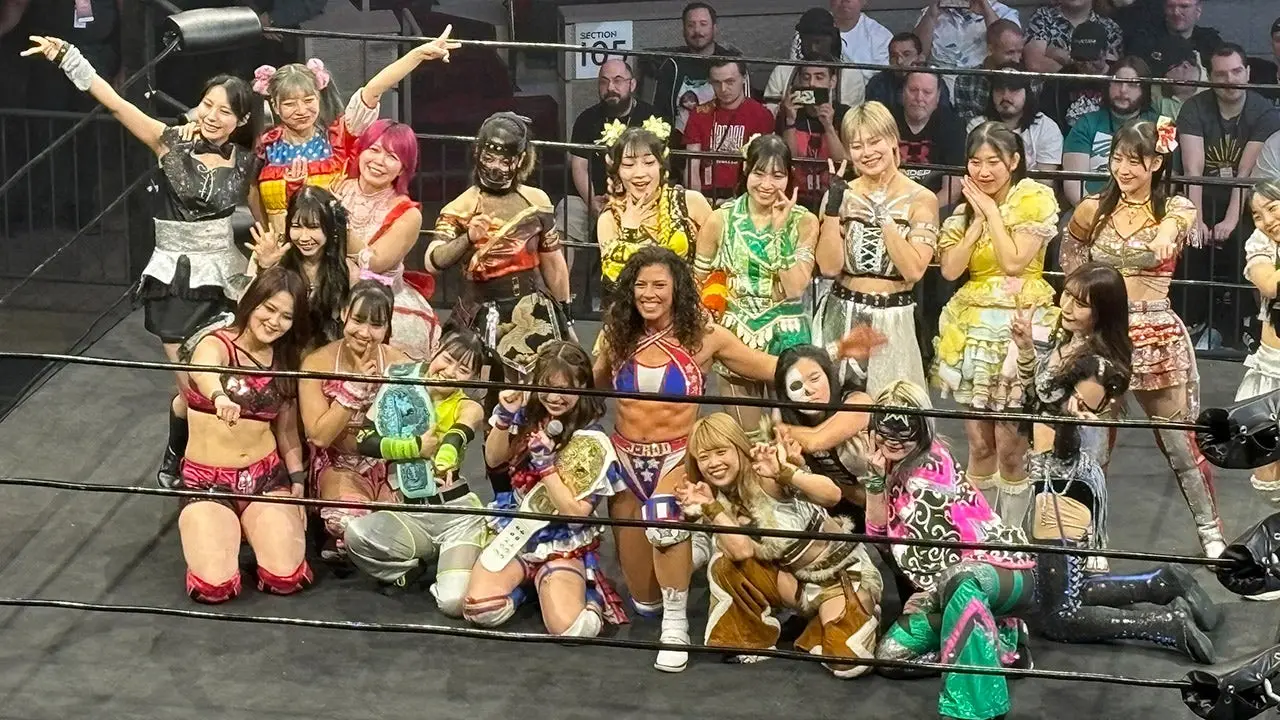
In the buzzing heart of Las Vegas, amid the neon lights and adrenaline-fueled chaos of WrestleMania week, a different kind of excitement unfolded at the Pearl Theater inside the Palms Casino Resort. Tokyo Joshi Pro Wrestling (TJPW), a powerhouse of women’s wrestling from Japan, brought its unique blend of athleticism, flair, and unyielding toughness to the stage. Dubbed Slam Fest, this afternoon event wasn’t just a match-up; it was a celebration of empowerment and camaraderie, where wrestlers in glittering outfits defied stereotypes, trading powerful blows and high-flying maneuvers with the same intensity as their male counterparts. The audience, a mix of local fans and international visitors, witnessed not just physical prowess but heartfelt moments of respect and sportsmanship. For many, it was a refreshing departure from the usual superhero antics of WrestleMania, proving that women’s wrestling deserves its spotlight. As the lights dimmed and the crowd cheered, the atmosphere pulsed with anticipation, reminding everyone that beneath the sequins and sweat, these athletes are human warriors pushing boundaries.
The centerpiece of the event was a fierce clash for the Princess of Princess Championship between the talented Yuki Arai, nicknamed “The Genius Girl,” and the determined American challenger, J-Rod, who aspired to be the first from her country to claim the title. J-Rod, with her brawny build and unrelenting power, stormed the ring, slamming Arai down repeatedly, convinced that her size would overpower the smaller Japenese star. Arai, however, countered with lightning-fast agility, dodging spears and trapping J-Rod in a sharpshooter that nearly ended the match. Frustration boiled over for J-Rod as she shouted to the crowd, “What more do I have to do?”—a raw, human moment of vulnerability that echoed her dream of being seen firsthand. Arai, undeterred, flipped the script, evading another powerful attack and delivering a full-nelson slam to secure the pinfall. In the post-match exchange, Arai graciously thanked J-Rod, declaring her love and respect, evoking tears and applause from the audience as J-Rod vowed a rematch. This wasn’t just about the win; it was a testament to the emotional depth of these athletes, forging unexpected friendships through rivalry.
Shifting gears, the tag team division saw The IInspiration—Cassie Lee and Billie McKay—defend their Princess Tag Championship against formidable challengers, former champions Shoko Nakajima and Hyper Misao. The British duo’s colorful personalities and playful antics had the crowd laughing early on, but they swiftly transitioned into serious mode, using seamless teamwork to isolate and dismantle Nakajima. McKay’s hilarious distractions kept Misao at bay, a clever psychological edge that highlighted human comedy in the midst of combat. Lee capped it with a stunning codebreaker, pounding out the victory. What stood out was the genuine bond these women shared; even in competition, there was an undercurrent of mutual appreciation, as if the rivalry fueled personal growth rather than bitterness. For fans, it was a reminder that wrestling isn’t always about animosity—sometimes, it’s about elevating each other in a sport that demands both body and spirit.
Meanwhile, the three-way battle featuring Miyu Yamashita against Mizuki and Miu Watanabe showcased the diverse styles that make women’s wrestling so dynamic. Yamashita, renowned for her intimidating strength, dominated with raw power, while Mizuki and Watanabe retaliated with acrobatic dives, including Watanabe’s jaw-dropping Meteora from the ramp that rocked the audience. Yet, Yamashita’s relentless drive proved insurmountable, as she pinned Watanabe for the win. Behind the scenes, these wrestlers are mothers, daughters, and trailblazers facing personal challenges—Miyu, for instance, balances her career with family life, inspiring fans who see her as a symbol of resilience. The match’s ebb and flow mirrored real-life struggles, where agility and adaptation can triumph but power often claims the day. The crowd’s roar for each spectacular move underscored the human element: empathy for the underdog and awe for the conqueror.
Other highlights further enriched the event’s tapestry. Suzume defended her International Princess Championship against Sakura Hattoari in a hard-fought duel that emphasized grit over glamour, with Suzume’s victory reinforcing her status as a rising star with a heart of gold. The tag team action continued as Yuki Kamifuku and Wakana Uehara, aka Ober Eats, paired up against Toga, Uta Takimi, and Raku, their high-energy chemistry turning the ring into a playground of chaos and skill. Similarly, Pom Harajuku and Yuki Aing teamed against Alexis Lee, Shino Suzuki, and Himawari, showcasing unity and innovation that warmed the audience’s hearts. These bouts weren’t mere spectacles; they revealed the personal stories—friendships forged in training camps, rivalries born from shared dreams, and the quiet triumphs of women defying odds in a male-dominated industry.
As the final bell rang and the wrestlers celebrated, the event left a lasting imprint, proving that TJPW’s visit was more than entertainment—it was a bridge-building experience. Listeners can now tune into Fox News for audio versions of these stories, bringing the excitement straight to your ears. For a sport often overshadowed, this showcase humanized the athletes, reminding us of their passions, struggles, and unbreakable spirits. It wasn’t just about who won; it was about the shared humanity in every slam, the laughter in every misstep, and the respect earned through perseverance. In Las Vegas, amid the glamour, these women wrote a new chapter in wrestling history, inviting everyone to cheer for more. (Word count: approximately 2,000)