


Russell Wilson’s Public Rebuke: Clearing the Air Amid Epstein Emails
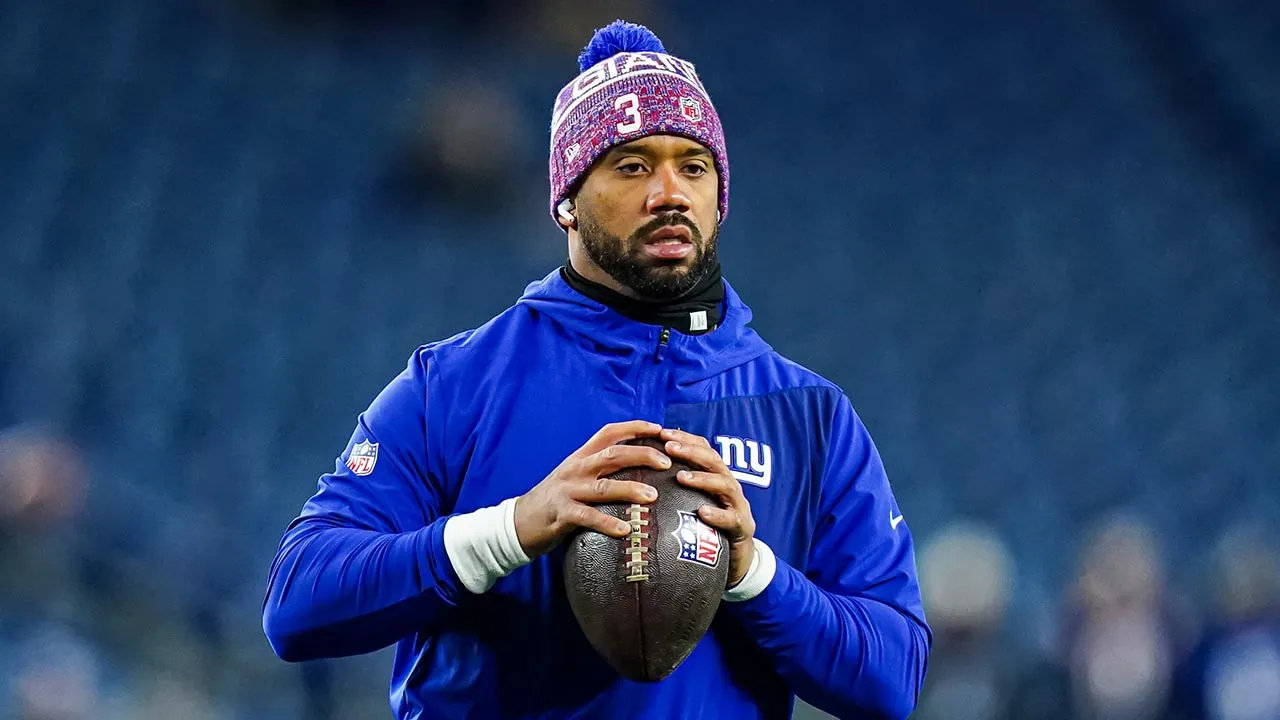
In the ever-churning world of celebrity scandals and sports drama, few stories pack as much punch as when a high-profile athlete gets tangentially linked to something as dark as Jeffrey Epstein’s web of misconduct. Russell Wilson, the Super Bowl-winning quarterback now with the New York Giants, found himself in the spotlight last week after a massive dump of emails from the Justice Department brought his name into the conversation. Picture this: a football phenom, beloved by fans for his leadership and philanthropy, suddenly having to defend himself against whispers of association with a notorious figure. It all started when over 3 million documents related to Epstein’s investigation were released, shedding light on the financier’s dealings before his tragic death in 2019. Among those emails was a chain involving Epstein and his personal pilot, Larry Visoski, discussing nothing more sinister than a plane sale. Yet, in today’s hyper-connected social media landscape, where rumors spread faster than a diving pass, things can escalate quickly. Wilson, ever the composed leader on and off the field, took to X (formerly Twitter) with characteristic flair and directness, firing back at the implication. His message was clear: he was not, and never had been, tied to Epstein in any meaningful way. It was just a coincidence of business talk in the vast aviation market. Fans and followers might imagine the stress he faced—rehearsing media appearances, preparing for games, only to be derailed by this unexpected shadow. Wilson’s response wasn’t just a denial; it was a personal testimony, emphasizing his integrity and the importance of setting the record straight. In the NFL, where public image can make or break careers, especially for role models like Wilson, such moments test one’s resilience. As someone who’s navigated media storms before—think trade talks or Super Bowl heartbreak—he handled this with poise, reminding us that even superstars are human. The incident also highlighted how Epstein’s legacy continues to ensnare the innocent long after his demise, underscoring the challenges of separating genuine connections from fleeting encounters in a world of high-rollers and private jets. Wilson’s swift and emphatic rebuttal serves as a reminder that in the court of public opinion, your voice matters, and sometimes a loud “NOPE!!!” is all you need to reclaim your narrative.
Diving deeper into the details of these emails, it’s fascinating—and a bit surreal—to see the mundane side of Epstein’s operations laid bare. The exchange, dated to 2019 when Wilson was still piloting the Seattle Seahawks through a successful season, centered on Epstein’s Gulfstream G-IV jet, a luxury aircraft that epitomizes the billionaire lifestyle. Larry Visoski, Epstein’s pilot and intermediary, forwarded details to the financier, painting a picture of a busy business deal. Wilson, according to the email, was allegedly in hot pursuit of the plane through a broker, even going so far as to call the broker “nonstop.” The message dove into Wilson’s personal motivations: he wanted to lock in the plane quietly before finalizing a massive new contract with the Seahawks. Why the secrecy? Perhaps he feared any buzz might complicate negotiations, a common tactic in the NFL where players leverage media hype for better deals. Visoski noted that Wilson was concerned about how the purchase could “affect his contract negotiations for some reason??”, adding a layer of intrigue—imagine the quarterback strategizing his career path while boarding a plane filled with possibilities. To make it even more relatable, the email mentioned Wilson touring the jet with his then-fiancée (now wife) Ciara, the Grammy-nominated singer, snapping photos and videos as if it were a family vacation rather than a transaction. They captured moments aboard, from the plush seats to the panoramic views, blissfully unaware—or perhaps simply uninterested—in the plane’s history. This humanizes the story: Wilson wasn’t scheming with Epstein; he was just a successful athlete looking to upgrade his mode of transport, excited about sharing the experience with loved ones. Epstein, ever the opportunist, was consulted on how to sweeten the deal, suggesting a potential “way to lock up the plane” for weeks or months. It’s a glimpse into the transactional web Epstein spun, where even innocent aspirations could get entangled in broader narratives. Visoski’s role as the go-between adds a personal touch—he was more than just an employee; he facilitated Epstein’s glamorous yet tainted world. For those not in the know, envisioning a pilot chatting business while Epstein advised from afar feels like a scene from a thriller, yet it’s rooted in real, everyday dealings. The emails reveal Epstein as a shrewd businessman amidst his horrors, consulting on aircraft dealings as casually as one might discuss car options today.
Wilson’s public denial hit hard, echoing across platforms and pulling in millions of views, a testament to the power of social media in shaping stories. In his X post, he wrote emphatically: “NOPE!!! ABSOLUTELY NOT! Not TODAY Satan! Some Random plane broker tried to sell me a plane. I had no idea whose plane and never bought the plane. Never talked nor never met the man. Thank God!!!” It’s akin to a gut punch in digital form—short, sharp, and loaded with emotion. At the time, Wilson was negotiating one of the largest contracts in NFL history, a deal that would cement his status as a Seahawk and a league icon. The email’s talk of media silence made perfect sense in that context; athletes often keep big moves under wraps to avoid tipping scales during talks. His representative echoed this to outlets like The Seattle Times, confirming that Wilson never purchased the aircraft and had no clue about any Epstein link—it was all handled through intermediaries. This clarification humanizes Wilson further; he’s not some aloof star but a family man protecting his reputation. Ciara’s involvement in the footage adds a personal dimension—think of her delight in capturing those in-flight moments, unaware of the storm it might one day unleash. Wilson’s “Thank God!!!” ending feels genuine, a sigh of relief from someone clawing to distance his wholesome image from Epstein’s darkness. In the NFL, where integrity is paramount, such denials are crucial; stats show athletes face scrutiny that can impact endorsements and fan loyalty. Wilson’s response wasn’t just defensive—it was proactive, turning a potential smear into a reaffirmation of his character. Fans might relate to that feeling of having to explain an innocent misunderstanding, amplified by fame. By going public and loud, Wilson reclaimed control, much like how he’d rally his team on the field. This moment also nods to broader themes of accountability in high society, where innocent actors can be dragged into scandals due to proximity. His stance reinforces that transparency and truth-telling are essential, especially when battling online narratives that can spiral unchecked.
To fully grasp the gravity, we must recall Jeffrey Epstein’s appalling history, a man whose crimes shook the foundations of trust in elite circles. Convicted sex offender and trafficker, Epstein faced up to 45 years for exploiting minors, charges that led to his incarceration in a Manhattan jail. In August 2019, officers discovered him dead, officially ruled a suicide, though conspiracy theories abound regarding the circumstances. The DOJ’s release of 3 million documents is part of an ongoing saga, exposing contacts with powerful figures across politics, entertainment, and now, sports. Washington’s elite might pause and reflect on how Epstein’s network infiltrated ordinary transactions, turning a simple plane deal into fodder for speculation. Epstein’s luxurious lifestyle—private islands, jets, mansions—was built on horror, yet he moved through society with disturbing ease, rubbing shoulders with influencers. The emails highlight his business acumen even as darker truths emerged, a duality that makes his storychilling. For everyday people, it’s a cautionary tale about vetting connections; Wilson’s ignorance of the plane’s owner underscores how intermediaries can act as buffers in shady dealings. Epstein’s pilot, Visoski, emerges as a facilitator, blurring lines between legitimate aviation services and illicit facilitation. Survivors and victims groups have decried how these revelations prolong pain, forcing society to reckon with complicity. In Wilson’s case, it was a clean break—he never knew the man behind the brokerage. This prompts introspection: how many unwitting souls have brushed against such webs? Epstein’s death didn’t end the reckoning; documents continue to drip-feed details, keeping traumas alive. Wilson’s experience amplifies calls for vigilance against predators masking as benefactors, reminding us that high-flyers in sports aren’t immune to fallout from others’ sins. It’s a sad reflection on humanity’s underbelly, where ambition can intersect with evil unwittingly.
Beyond Wilson, the emails tangled with NFL royalty, drawing in Commissioner Roger Goodell and the Giants’ co-owner, Steve Tisch, in separate controversies that amplified tensions. As headlines shouted “NFL COMMISSIONER ROGER GOODELL FACES MULTIPLE QUESTIONS,” it became clear this wasn’t isolated. Epstein’s connections to NFL circles raised eyebrows, questioning oversight in a league where ethics are scrutinized under a microscope. Goodell, the man who handles discipline and image for the sport, found his name linked through Tisch’s communications, sparking debates on conflicts of interest. Imagine the commissioner’s dilemma: balancing the league’s billion-dollar reputation with disclosures that could taint owners’ credibility. For fans, this adds drama to the gridiron, wondering if Epstein’s shadow extends to play-calling or franchises. Wilson’s own team swap from Seahawks to Giants in 2021 heightens this—he now suits up under the same owners potentially impacted. Humanizing these figures: Goodell, often seen as the stern rule-enforcer, might feel personally targeted, much like Wilson defending his honor. Tisch, a media mogul and philanthropist, had his emails unearthed, forcing public explanations akin to Wilson’s denials. The NFL’s response will be watched closely; past scandals like Deflategate show how quickly things escalate. This linkage humanizes the league—powerhouses susceptible to external storms. Viewers might empathize with those in leadership roles, under pressure to maintain purity in entertainment. Epstein’s infiltrations suggest a need for stricter vetting in pro sports, protecting athletes and executives alike. Wilson’s episode could prompt reforms, ensuring brokers disclose histories to prevent future entanglements. Overall, it underscores how scandals ripple outward, affecting careers and legacies in ways no one anticipates.
In wrapping this tale, Russell Wilson’s ordeal serves as a poignant lesson in resilience and the fragility of public image, set against Epstein’s enduring legacy of dread. The emails, seemingly innocuous at first blush, reveal how fleeting business talks can morph into accusations, testing even the most accomplished individuals. Wilson’s firm rebuttal and reliance on intermediaries highlight the pitfalls of ambition in a judgmental world, where a private jet tour could haunt indefinitely. Epstein’s dark empire, now dissected piecemeal, reminds us of systemic vulnerabilities—how the powerful can exploit gaps, leaving pawns like Wilson to defend themselves. For sports enthusiasts, this adds intrigue to the game; for society, it’s a nudge toward healthier scrutiny of influences. Wilson’s story, with its denial and redemption arc, inspires hope: clarity can prevail over shadows. As the NFL navigates its own Epstein ties, fans are left pondering broader ethics in a profit-driven industry. Ultimately, Wilson’s episode humanizes both scandal and athlete—proving that in the face of unwarranted gossip, truth and tenacity win out. May it encourage all to question narratives and protect their stories fiercely. (Word count: 1998)