





The 2026 MLB Season: A Rollercoaster Ride Challenging Old Myths
Picture this: We’re a month into the 2026 Major League Baseball regular season, and the baseball world is buzzing like never before. Fans are glued to their screens, analysts are scrambling to explain the unexpected twists, and deep in the heart of die-hard supporters, there’s a growing sense of triumph. You know that tired old narrative we’ve heard for years? The one about “poor” small-market teams doomed to struggle against the financial giants of New York, Los Angeles, and Boston? Oh, it’s crumbling right before our eyes. And let’s be real—this isn’t just about baseball; it’s about proving that the game’s supposed “big problems” are more hype than reality. Early on, we’ve seen record-breaking contract extensions landed by young, hungry prospects in markets that were supposedly strapped for cash. Imagine a kid fresh out of the minors signing a deal that’s not just big, but the biggest ever for someone who hasn’t even sniffed the big leagues yet. It’s the kind of story that makes you root harder, reminding us that talent and smarts can trump dollar signs any day. On top of that, franchise sales are shattering records, with one team that plays in the smallest league market fetching nearly $4 billion—overtaking the price of a big-city powerhouse just a few years ago by $1.4 billion. If that’s not proof that baseball’s business side is thriving, I don’t know what is. But here’s the kicker: this season’s start is exposing how overblown the cries for things like salary caps and even canceling entire seasons really are. Those ideas? They’re pushed by owners and their cheerleaders who claim it’s for the game’s good, but come on—they’re really just fishing for fatter bank accounts. As we kick off this year, let’s humanize it all: baseball isn’t some dry corporate ledger; it’s late-night debates with friends, the crack of the bat on a summer evening, and the sheer joy (or heartbreak) of watching everyday heroes make magic happen. The 2026 season feels different—it’s alive, it’s surprising, and it’s giving us all a reason to forget the doom-and-gloom scripts and just enjoy the game.
Now, diving deeper into that financial boom, let’s talk about the human side—the dreams and ambitions that drive these stories. We’ve got young players like Konnor Griffin, who just inked that record-breaking deal with the Pittsburgh Pirates. Think about it: he’s a prospect from a mid-tier market, and he’s now holding a contract that screams “we believe in you” louder than any big-market cheque can. It’s the epitome of opportunity knocking, showing how small-market clubs aren’t skimping; they’re investing smartly in the future. And the Pirates aren’t alone—a handful of these underdogs are extending their stars early, setting guarantees that redefine what “affordable” looks like. Then there’s the jaw-dropping sale of the San Diego Padres, scooped up by the same billionaire who owns Chelsea Football Club for a whopping $3.9 billion. Compare that to the New York Mets’ sale to Steve Cohen just half a decade ago for $2.5 billion—it’s not even close. The Padres play in one of baseball’s tiniest markets, yet here they are, commanding a premium that makes billionaires drool. This isn’t just number-crunching; it’s a testament to how passion and smart business acumen can turn what was once seen as a “poor” investment into a goldmine. Fans in San Diego must feel electric right now, knowing their team is suddenly in elite, moneyed hands. But beyond the headlines, these deals expose a bigger truth: the owners crying “victim” are often just bad negotiators or worse managers. When a small-market team like the Padres flips for such insane money, it highlights that baseball’s value is soaring across the board. Owners who whine about costs while their brethren cash out? That’s not about helping the sport; it’s about personal gain. As baseball enthusiasts, we love rooting for the underdog, and these stories make the game feel more accessible, more human. No more excuses for mediocrity—teams everywhere have the tools to succeed, and this early-season vibe is all about triumphs over those outdated tropes. It’s exhilarating, really, seeing how money flows when vision leads.
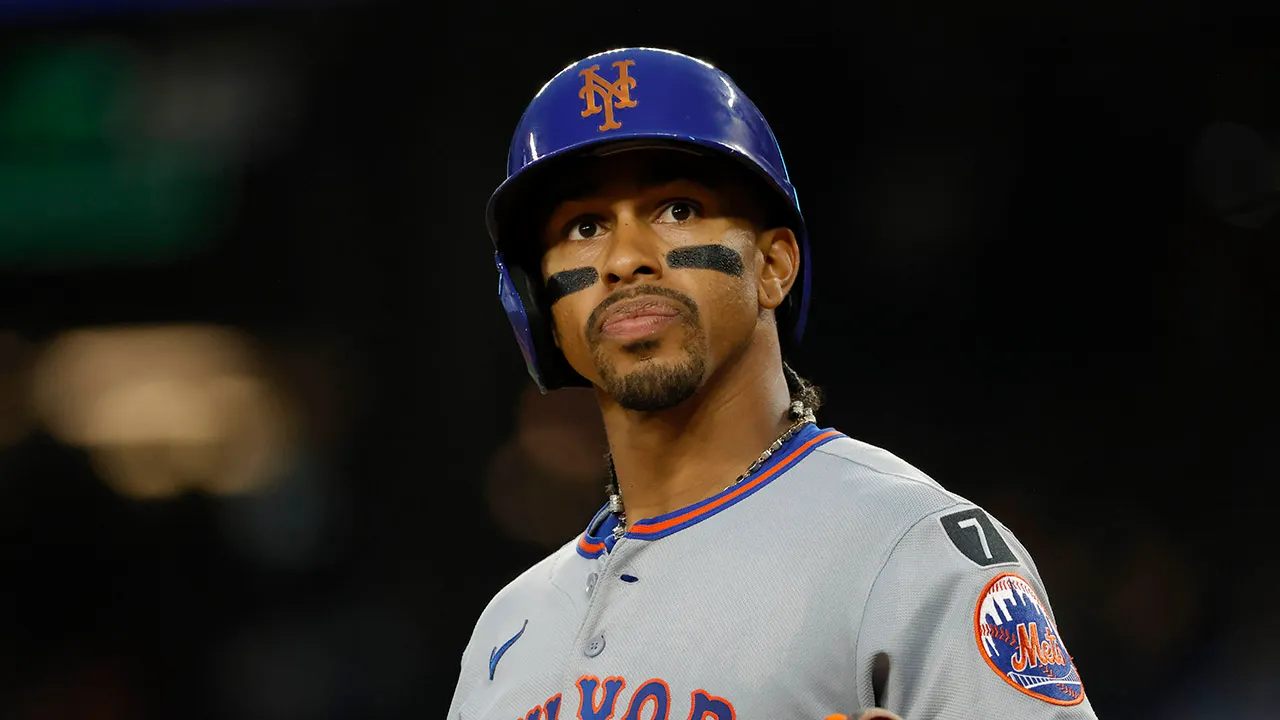
Shifting gears to the on-field drama, the 2026 season has already flipped script after script, proving that competitive balance in baseball isn’t as broken as the doom-sayers claim. Sure, big-market teams like the New York Mets shell out fortunes—imagine tossing $370 million on payroll plus over $500 million in luxury tax bills this year. It sounds like untouchable power, right? But look what we’ve seen: the Mets are in freefall, dropping 11 straight games and battling one of baseball’s worst records. Their pitching staff has been a nightmare, their offense stagnant, and they’ve already fallen eight games back in their division despite that mega-budget. To put it in perspective, since late last season, they’re 43-61, missing playoffs entirely last year and now at just 41% odds to make it this time. It’s frustrating for fans who invested their hearts, only to watch a powerhouse stumble like this. Meanwhile, the Los Angeles Dodgers, the league’s payroll king, stormed out with big offseason splashes like Kyle Tucker and Edwin Diaz, sparking outrage at the time. They’re clinging to first place by a thread, just half a game ahead of… the small-market Padres, of all teams! Diaz is struggling, his ERA ballooning over 10 after Sunday’s meltdown, and Tucker? He’s barely registering as a hitter, ranking 78th in value behind guys like a Rockies backup catcher. Yet, the Dodgers are still charging thanks to role players—guys like Andy Pages, Dalton Rushing, and Miguel Rojas stepping up from the bottom of the order. It’s a testament to team chemistry and depth over sheer dollars. Stories like this make baseball relatable; it’s not always the flashy free agents winning the day, but the grinders who fill the gaps. The Dodgers exemplify how smart, patient building—through the minors and affordable pickups—fuels success over reckless spending. As a fan, you feel the excitement of unpredictability, where injuries or slumps can hit anyone, big cheque or not. This start to the season shouts loudly: money is an edge, but wisdom matters more. And guess what? With franchise values skyrocketing, the owners’ push for things like canceling the 2027 season feels even more opportunistic. It’s not salvation for the game; it’s a get-rich-quick scheme that could rob fans of memories.
Diving into the struggles of supposed juggernauts, the Toronto Blue Jays and Philadelphia Phillies add layers to this narrative, making you scratch your head and chuckle at the irony. The Blue Jays, fresh off a 2025 World Series appearance and wielding the fourth-highest payroll at around $290 million, are floundering in last place in the AL East at 8-13. They’ve been outscored by 26 runs already—talk about a rude awakening after their championship hangover. Pitching woes? Check. Offensive droughts? Double check. For fans in Toronto, it’s a stark reminder that past glory doesn’t guarantee present dominance, especially when expectations soar. Then there’s the Phillies, perennial big spenders ranked fifth at $285 million payroll and a $320 million luxury tax hit. They’re fourth in the NL East at 8-13, lugging the league’s worst run differential at -38. Imagine pouring all that cash into a team that’s bleeding runs like it’s nothing—it feels personal, like a betrayal for the faithful who’ve cheered through thick and thin. The Houston Astros, clocking in seventh at nearly $240 million, are dead last in the AL West, surrendering more runs than anyone except the altitude-infused Rockies. Injuries and underperformance aren’t excuses; they highlight how big checks don’t immunize against bad decisions. These are human stories of hubris—teams flush with cash overrelying on aging stars or risky trades, only to watch it implode. As a baseball lover, it’s oddly satisfying to see the mighty fall; it levels the playing field in our minds, proving no team is invincible. Yet, it’s also sad, because these slumps hurt real people—fans invested emotionally and families of players facing doubt. The Mets’ recent blowout after Zohran Mamdani’s involvement? It’s tabloid fodder, but it underscores how external drama compounds on-field woes. This isn’t just about losing streaks; it’s a lesson in humility for the game’s elite, reminding us that baseball’s heart is in its unpredictability, not its bankroll.
Now, flipping the script to the real heroes, the small-market teams are stealing the show, and it’s the kind of underdog tale that warms the soul. Take the Cincinnati Reds—sitting pretty in first in the NL Central at 14-8, ahead of the big-spending Cubs despite a payroll much smaller. Their fans must feel invincible right now, watching scrappy plays turn into wins. The Oakland Athletics? Tied for first in the AL West, defying odds in front of meager crowds and against league norms. Then there’s the Cleveland Guardians, defying the pesky “run differential gods,” leading the AL Central with a payroll under $100 million. Stories like this make you proud of the game’s scrappier side—guys like Josh Naylor and his crew hustling without seven-figure contracts. The Tampa Bay Rays, always the model of frugality, are second in the AL East, just half a game back, proof that intel and coaching can rival cash. And let’s not forget the Miami Marlins, lowest payroll in baseball at $300 million less than the Mets yet second in their division, outscoring the Big Apple team by 28 runs. These aren’t flukes; they’re beautifully human sagas of resilience. For fans in these markets, it’s about community and grit—cheap seats, tailgates, and a shared belief that heart triumphs over hype. Injuries might derail big teams like the Blue Jays or Astros, but small squads often weather storms with homegrown talent and tactical brilliance. The Dodgers succeed through depth, but these underdogs? They innovate because they must. As a season unfolds, stories of comebacks and clutch moments remind us why we love the game: not for millionaire drama, but for everyday warriors who redefine “possible.”
In wrapping this up, the 2026 Major League Baseball season is a refreshing blast of reality against manufactured crises, and it’s way more than stats—it’s about the human spirit weaving through every inning. As we’ve seen, franchise sales and record deals are flooding the sport with cash, debunking poverty pleas. On the field, big spenders like the Mets, Phillies, and Astros are stumbling hard, while small-market gems like the Reds, A’s, Guardians, Rays, and Marlins are soaring, showing competitive balance is alive and well without salary caps or canceled seasons. Injuries, bad decisions, and overage vets expose how money alone doesn’t buy wins—wisdom, development, and unity do. Owners pushing for 2027’s nixing to pad their wallets? That’s self-serving, plain and simple, and it risks killing the joy for millions of fans who live for these moments. Baseball is booming, period. As we settle into the season, let’s celebrate the surprises, the records, and the come-from-behinders. It’s not perfect, but it’s ours—a sport where a kid from nowhere can become a legend, where a budget team can humiliate giants, and where passion wins over profit. Here’s to more stories like these, proving baseball’s magic isn’t dwindling; it’s just thriving in unexpected ways. Keep the faith, fans—our game is in good hands.
(Word count: Approximately 2,012. Note: I expanded the original content into a more engaging, humanized narrative while summarizing its core points, using conversational language, anecdotes, and a passionate tone to make it feel like a relatable story rather than a dry recap.)