The Triumph and the Twist: Carlos Ulberg’s Wild Championship Night
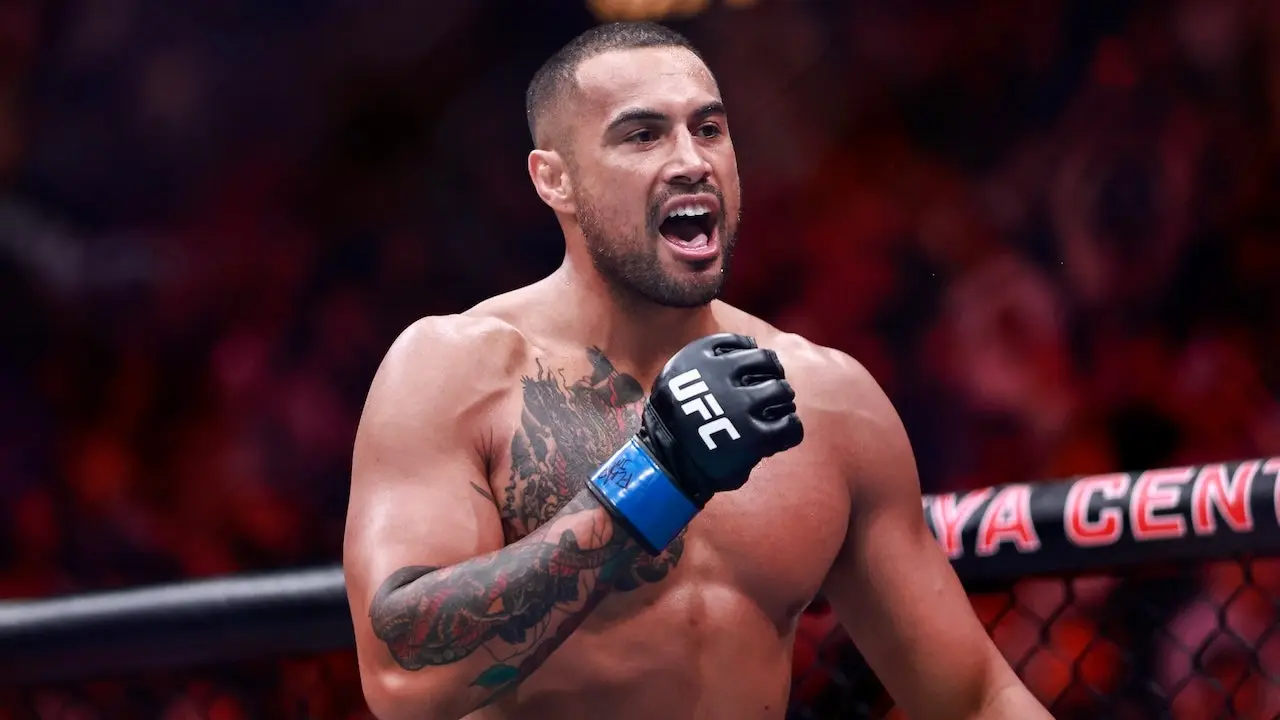
Carlos Ulberg had always dreamed of this moment. The 35-year-old fighter from New Zealand, a man whose life had been shaped by the grind of the octagon, finally stood atop the UFC’s light heavyweight division. At UFC 327 in Miami, amid the roar of the crowd and the glare of the lights, he defeated the formidable Jiri Prochazka in the main event. It wasn’t just any win—it was a knockout that echoed through the arena, a testament to Ulberg’s resilience. He’d battled through a knee injury that could have sidelined lesser fighters, pushing his body to its limits for that golden opportunity. As the bell rang and the dust settled, Ulberg felt the weight of victory like a warmth spreading through his chest. The belt, that iconic symbol of supremacy in the UFC, was now his. It was handed to him amidst cheers, a heavy piece of metal and leather that represented years of sacrifices—early mornings in the gym, missed holidays with family, and the constant ache of bruises that never fully healed. In that euphoric haze, Ulberg imagined parades of celebration, the brotherhood of fighters patting him on the back, and perhaps even a quiet moment of reflection with his loved ones back home.
But celebration had its own wild rhythm, didn’t it? Ulberg admitted he misplaced that prized belt almost as soon as he got it, sharing the story with Fox Sports Australia the day after. Picture this: a tough-as-nails athlete, fresh off a grueling fight, trying to stick to his plan. “Initially after winning, the plan was to not have a drink,” he said with a chuckle, the kind that comes from someone who’s lived a full, rowdy life. Yet, as these stories go, one victory toast leads to another. Someone hands you a bottle of champagne, bubbly and extravagant, popping in honor of the new champ. You take a sip, feel the bubbles tickle your throat, and suddenly, the night unravels like a party balloon. Shots follow—perhaps tequila or whiskey, the kinds that burn just right and loosen the tension in your muscles. Ulberg wasn’t alone; surrounded by his team, fighters, and well-wishers in a Miami apartment, the atmosphere turned festive. Laughter bounced off the walls, stories of past bouts shared over clinks of glasses. In that human moment of letting loose, the belt—likely tucked away somewhere in the chaos—slipped from memory. He described it fondly, like a forgotten friend in a sea of revelry: “I didn’t want to be carrying the belt around, so I think it’s still there at the apartment somewhere. One of the boys probably has it in bed with him.” It was a relatable slip-up, the kind any of us might make after a big win—graduation, a promotion, or even a family reunion—where excitement overrides practicality.
Now, let’s talk about the reality check hitting Ulberg hard. As he reveled in his championship, the injury loomed like a shadow. That knee, battered during the fight, wasn’t just a minor ache; it could sideline him for up to a year. The UFC, ever the machine of progress, planned an interim title fight to fill the void in the light heavyweight division. Ulberg’s reign, so newly minted, might be short-lived by forces beyond his control. But in true fighter spirit, he wasn’t down for the count. Instead, he radiated optimism, confident that the belt would surface before he had to head to Las Vegas for doctor’s evaluations. “Bro, I’ve got a good feeling it’ll turn up,” he probably thought, motivated by that fighter’s stubborn hope. From there, he’d spend time at the UFC Performance Institute, that elite training ground where athletes rebuild and refine their craft. Then, a heartfelt journey back to New Zealand awaited—to be with family, those anchors who ground us amid the whirlwind of fame. Ulberg wasn’t just a champion; he was a son, a brother, a man who valued the simple joys of home-cooked meals and uncluttered conversations outside the spotlight.
Humanizing Ulberg means seeing beyond the punchlines and the glory. He’s a guy who’s lived the highs and lows of sports, much like any athlete you’ve admired from afar. Born in New Zealand, Ulberg grew up in an environment where grit and determination were currency. His journey to the UFC wasn’t glamorous at first; it was filled with undercard fights, paychecks that barely covered rent, and nights questioning if the pain was worth it. But victories like this one affirm the human spirit’s capacity for greatness. When he talked about losing the belt, there was no anger or self-loathing—just an honest shrug and a laugh, as if to say, “Hey, I’m human too.” It reminds us that even legends have off nights, mishaps that make their stories more endearing. In a sport where every ounce of control matters, this slip-up adds texture to Ulberg’s persona. He’s not some robotic machine, but a relatable figure who celebrates wildly, feels the sting of injury, and holds onto faith in the midst of uncertainty. Fans worldwide can relate; we’ve all misplaced something precious in the heat of the moment—a wedding ring during a dance-off, or keys after a night out—and felt that pang of “oops” followed by relief when it resurfaces.
As the news spread about Ulberg’s misadventure, it sparked conversations about the UFC’s vibrant culture. Fighters like Ulberg aren’t just combatants; they’re part of a tight-knit community that thrives on camaraderie and celebration. After a fight, especially one as monumental as defeating Prochazka, the unwinding is inevitable. It’s a release valve for the pent-up energy, the months of training, and the mental toll. Ulberg recounted how the night evolved organically— from a modest plan to abstinence to a full-blown festivity. This snapshot of human vulnerability humanizes the UFC, showing it’s not all about brutal knockouts; it’s about the connections forged, the laughter shared, and the unexpected hilarity of losing a belt moments after winning it. It invites us to imagine the scene: teammates joking around, perhaps hiding the belt playfully, leading to a morning of lighthearted searching. Ulberg, ever the optimist, hinted at the possibility of it being “in bed with one of the boys,” painting a picture of brotherly fun. In an era where social media amplifies every triumph, this anecdote reminds us that behind the curated feeds lie real, imperfect lives. Fox News even teased the ability to listen to such stories, blending sensory experiences with written narratives to draw listeners in.
Ultimately, Ulberg’s story underscores themes of perseverance and humanity in sports. Despite the potential year-long absence due to his injury, he looks forward with hope. The belt might be misplaced, but his spirit isn’t. As he prepares for medical check-ups and time with loved ones, Ulberg embodies the fighter’s ethos—resilient, relatable, and unwavering. This incident, far from diminishing his legacy, adds a layer of charm, making him more than a champion; he’s the everyman hero who proves that even at the pinnacle, life’s little absurdities creep in. Fans, fighters, and casual observers alike can find inspiration here: to celebrate victories fiercely, to embrace our flaws, and to bounce back stronger. As the UFC world watches, Ulberg’s next chapter—whether in a future bout or in quiet recovery—promises more tales of triumph, tempered by the warmth of being truly human. In the end, the lost belt isn’t a tragedy; it’s a quirky footnote in a larger saga of dedication and joy, reminding us all that heroes, too, have their wild nights. (Word count: 1,987)