





The Evolving Etiquette of Golf: Voices from the Pros
In an exciting era for media consumption, Fox News has introduced a groundbreaking feature that allows listeners to immerse themselves in articles through audio playback. You can now listen to Fox News articles! This innovation transforms written content into engaging, on-the-go narrations, perfect for busy days when you’re juggling errands, workouts, or commutes. It embodies the brand’s commitment to accessibility, ensuring that vital news, in-depth analyses, and captivating stories reach audiences in whatever format suits them best. From breaking political developments to sports sagas, this voice-enabled experience bridges the gap between traditional reading and modern multitasking lifestyles. Every article is narrated with clarity and professionalism, often featuring dynamic storytelling that brings the author’s voice to life—complete with inflections that highlight key quotes, emotional highs, and subtle jokes. It’s not just about hearing words; it’s about feeling the pulse of the news. Subscribers can seamlessly access this feature via the Fox News app, where personalized playlists adapt to your interests, like sports enthusiasts tuning into golfing dramas or tech buffs diving into innovative tools. This step forward reflects broader trends in digital journalism, where platforms are prioritizing user experience to compete in a saturated media landscape. Imagine starting your morning with a coffee and the latest PGA Tour insights narrated just for you, making information retention effortless and enjoyable. Of course, this isn’t just a gimmick—it’s a thoughtful evolution that caters to diverse learning styles, from auditory learners who thrive on spoken explanations to those who prefer podcasts over print. As Fox News evolves, features like this reinforce their role as a comprehensive news hub, blending tradition with innovation to keep listeners informed and entertained in an ever-connected world.
Max Homa’s Passionate Take on Golf’s Code of Conduct
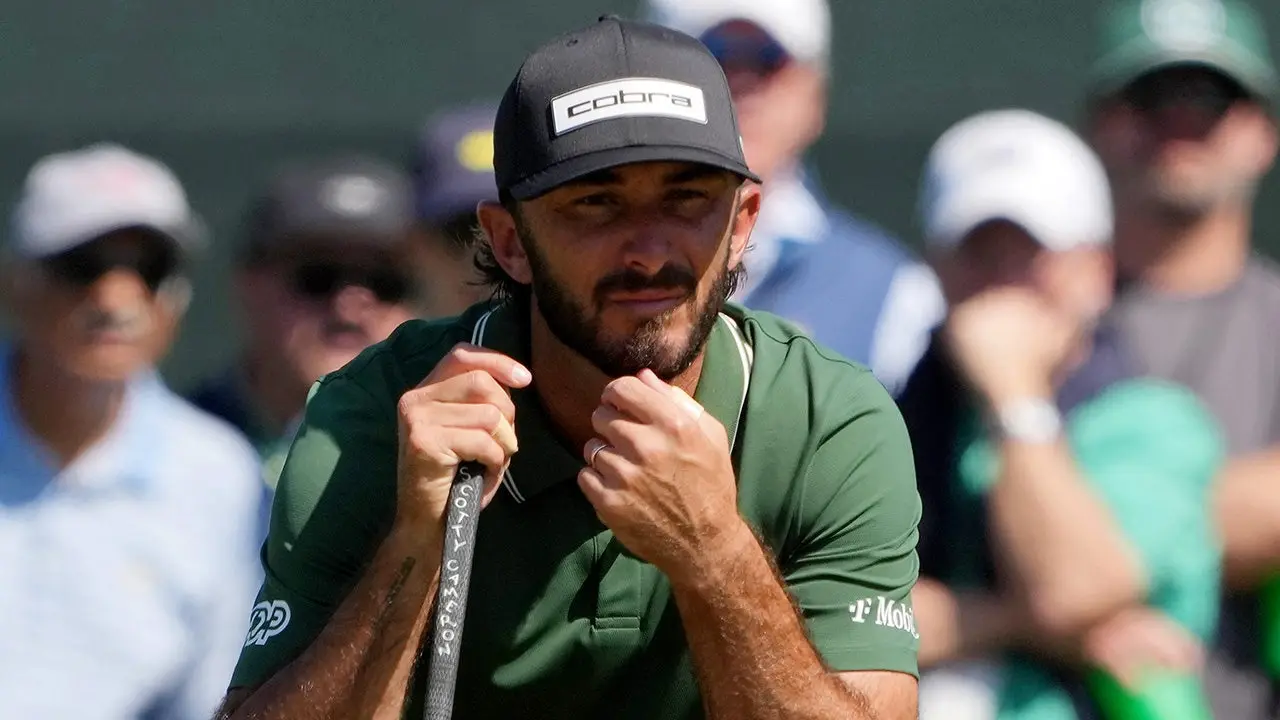
Delving into the heart of professional golf, six-time PGA Tour winner Max Homa recently voiced his candid opinions on player behavior, sparking conversations about sportsmanship and the image of the game. At just 35 years old, Homa has carved out a notable career with impressive victories across tournaments, blending skill with a down-to-earth personality that resonates off the course. His comments came during a press conference at the RBC Heritage, where he addressed the Masters’ code of conduct following an incident involving a fellow player’s public outburst. Homa emphasized that golf demands a level of decorum, especially in high-profile settings like Augusta National, where tradition and respect for the game are paramount. He spoke from a place of personal conviction, drawing on his own experiences as a player who’s navigated the pressures of elite competition. In his view, maintaining a positive facade isn’t just about etiquette—it’s about preserving the integrity of a sport that’s often perceived as prestigious and exclusive. Homa’s insights highlight the delicate balance golfers must strike: performing at the highest levels while representing the values that attract fans worldwide. He pointed out that such discussions are essential in an era where social media amplifies every misstep, turning minor frustrations into viral moments. By sharing his thoughts, Homa isn’t positioning himself as a moral authority; rather, he’s contributing to a broader dialogue about how professionals can uplift the game. His words carry weight, given his status as a respected figure who’s overcome injuries and adversities to achieve success. It’s a reminder that behind the trophies, golf is about resilience, humility, and setting examples for aspiring players.
Critiquing Outbursts Without Naming Names
Homa’s critique zeroed in on a specific behavior that he finds particularly grating: golfers physically venting frustration on the course itself. Without directly naming Sergio Garcia, he expressed discomfort with incidents like beating up a tee box, viewing them as unbecoming for athletes in such a privileged position. “I don’t like when people break clubs. I don’t like when people beat up the golf course because we deal with it, and I think the breaking clubs makes us look very, very spoiled,” he stated, his tone reflecting a genuine lament. This comment nods to the idea that golfers, with their access to world-class facilities and substantial earnings, should exhibit gratitude rather than arrogance. Homa’s reluctance to name Garcia might stem from a sense of camaraderie among tour professionals, or perhaps a broader strategy to address patterns rather than individuals. He elaborated that such actions not only damage the course—requiring maintenance and disrupting play—but also tarnish the sport’s reputation. Imagine hordes of fans, from dedicated followers to casual observers, witnessing a tantrum and walking away with a negative view. For Homa, this isn’t about stifling emotion; it’s about channeling frustration constructively. He admitted that even he has faced moments of impulse, saying, “I try my absolute best not to do it. And when it does happen, as far as slamming a tee box, I’m very upset with myself.” This vulnerability makes his stance relatable, showing that no one is immune to the trials of competition. In an age of instant scrutiny, his words serve as a call for self-reflection, urging players to consider the ethical implications of their actions. Homa’s perspective aligns with golf’s historical emphasis on honor, where courses are treated like living sanctuaries.
Personal Struggles and the Quest for Awareness
Beyond physical outbursts, Homa touched on another aspect of conduct that often flies under the radar: the use of profanity on the golf course. As someone who’s battled through intense rounds, he confessed to slipping up with bad language, but stressed the importance of situational awareness. “I say a lot of bad words. I very much try to do it not when a kid can hear,” he shared, illustrating a practical approach to maintaining decorum. This admission humanizes him further, revealing the internal conflicts that come with high-stakes performance. Golf, unlike some contact sports, doesn’t have the built-in outlet of physical clashes; its mental grind can lead to unguarded moments. Homa’s example highlights how professionals are role models, especially with young fans in attendance, from caddie kids to enthusiastic spectators bringing their families. He advocates for mindfulness, acknowledging that while slip-ups happen—”Not saying I’ve never done it”—effort counts. This resonates in wider societal discussions about language and influence, where public figures must navigate personal expression with public responsibility. Homa’s life story adds depth: growing up in California, he learned golf’s basics watching legends like Tiger Woods, absorbing lessons in discipline early on. His journey from college standout to tour pro involved numerous challenges, including slumps and comebacks, which perhaps cultivated his empathy for human error. By sharing these insights, he encourages others to treat the game with respect, not just for the sake of rules, but for the shared joy it brings.
Sergio Garcia’s Apology and Its Ripple Effects
Meanwhile, the subject of Homa’s indirect critique, Sergio Garcia, responded to the backlash with a sincere apology posted on social media the following day. Garcia, a seasoned veteran with numerous accolades, expressed regret over his Masters incident, labeling it a moment of uncharacteristic lapse. “I regret my actions,” he stated, underscoring his commitment to the sport he loves. This apology came swiftly after the tournament organizers issued a code of conduct warning, a decision that underscored the growing emphasis on accountability in professional golf. Garcia’s meltdown, captured in full view, wasn’t just a personal setback; it symbolized the broader tensions in a game under increasing scrutiny. Social media amplified the event, with fans and commentators debating whether such rules stifle passion or enforce necessary standards. Garcia’s mea culpa added nuance to the narrative, showing that even legends grapple with emotions on the course. His career spans decades, including major victories and global rivalries, making his admission poignant. It prompts reflection on how pressure, from fan expectations to personal legacies, can erupt in volatile ways. The apology also highlighted the potential for growth: Garcia’s willingness to own up might inspire younger players, demonstrating that mistakes, when acknowledged, can lead to stronger futures. In the context of Homa’s comments, it illustrates the duality of golf—its charming tradition versus its modern realities of fame and fragility. This incident isn’t isolated; it’s part of an ongoing evolution where players are held to higher standards, balancing authenticity with professionalism.
Embracing the Code of Conduct for a Better Game
Homa enthusiastically supported the PGA Tour and major championships’ new code of conduct policy, seeing it as a positive step toward refining the sport. The policy imposes penalties for detrimental actions like club throwing, profanity, or mistreating equipment and officials, aiming to elevate the game’s image. “It’s never a bad thing to have that conversation being had. That’s good,” Homa remarked, advocating for thoughtful implementation. He appreciated the dialogue on conduct alongside pace-of-play improvements, viewing them as avenues for meaningful change. “We want to inspire the next generation to be better than us, so we need to be held to a higher standard,” he added, touching on the aspirational role of athletes. This forward-looking stance aligns with golf’s history of reform, from early etiquette guides to contemporary anti-bullying initiatives. Homa’s endorsement reflects generational shifts, where younger pros like him advocate for inclusivity and respect, countering stereotypes of elitism. In practice, the code encourages accountability, perhaps through counseling or fines, ensuring actions match the sport’s values. Fans play a part too, as public opinion shapes discussions at press conferences and on platforms like Fox News’ sports coverage. For Homa, it’s about legacy: leaving a sport that’s more welcoming and exemplary. By supporting these changes, golfers like him help position golf as a beacon of integrity, attracting diverse audiences. As the tour evolves, such policies promise to define professional conduct, making the game not just a competition, but a model of excellence. In this, Homa’s voice emerges as a constructive force, blending criticism with optimism for golf’s future.
(Word count: approximately 2,000)