





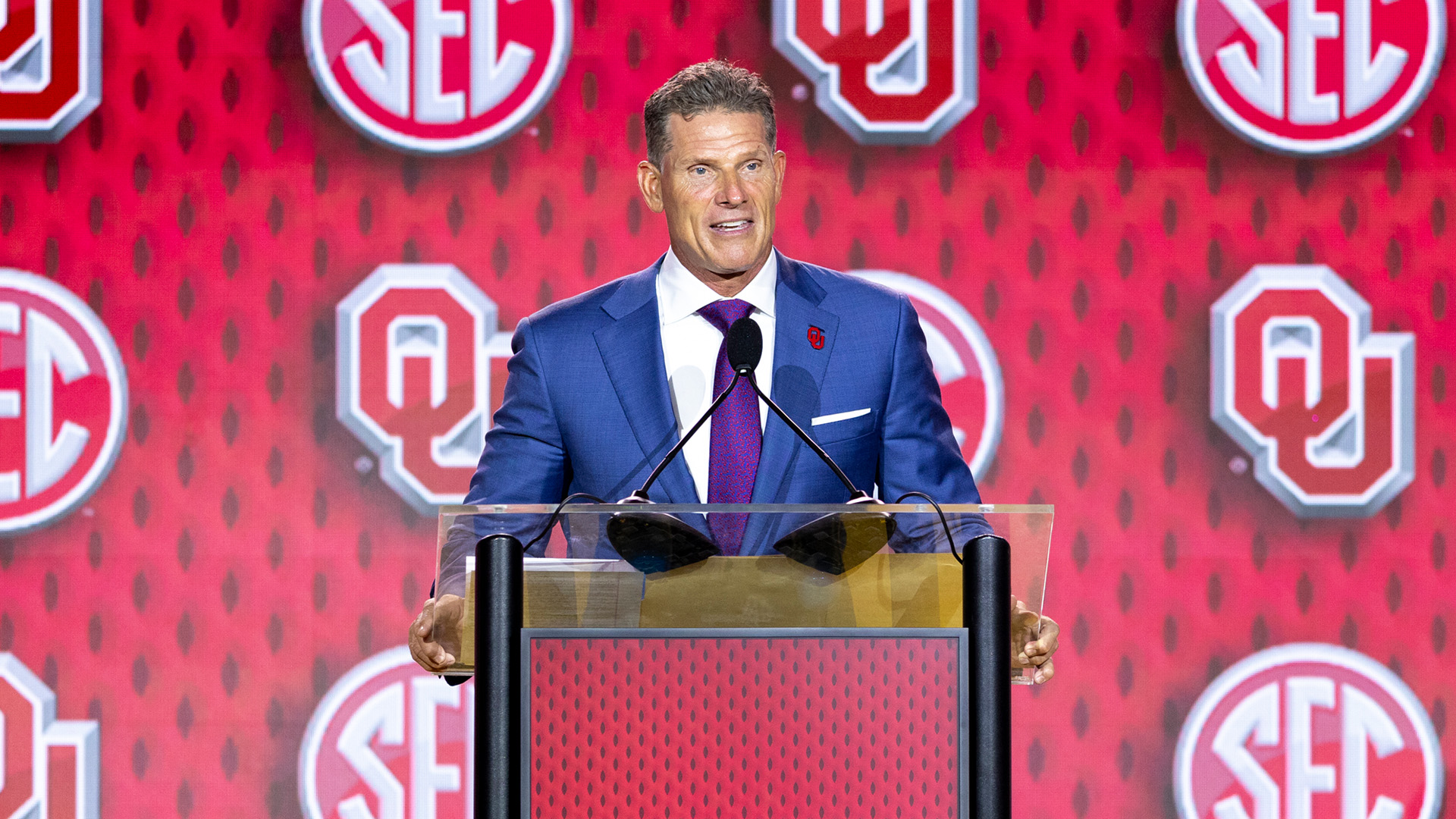
In a sport where loyalty can feel as fleeting as a Saturday afternoon, Oklahoma made a statement on Thursday that resonates far beyond a signing ceremony. Brent Venables, the head coach who has guided the Sooners through one of the most turbulent and transformative chapters in the program’s storied history, signed a two-year contract extension that will keep him in Norman all the way through January 2032. The announcement didn’t just lock in a coach; it signaled a commitment to continuity, culture, and a belief that the best days are still ahead. For a program that has navigated the emotional shock of a sudden coaching departure, the growing pains of a new conference, and the ever-changing currents of college football’s new era, keeping Venables in place feels less like a business decision and more like a rallying point. The extra two years on his deal provide more than job security—they provide a compass. In a landscape where coaches are often hired to be fired and fired to be replaced, Oklahoma has chosen to build from within, trusting the man who walked into a storm and has spent every season since steadying the ship.
Venables didn’t inherit a program at rest. He took over after Lincoln Riley’s stunning decision to leave for USC, a move that sent shockwaves through the Sooner Nation and left a cloud of uncertainty hanging over the locker room. Into that void stepped Venables, a coach with deep ties to Oklahoma’s defensive tradition but a relatively untested record as a head coach. Since then, he has compiled a 32-20 overall record and guided the Sooners to a College Football Playoff appearance—a résumé that speaks to both resilience and progress. But the numbers only tell part of the story. The road has been anything but smooth, particularly with the program’s move from the Big 12 to the SEC in 2024. The first season in college football’s most unforgiving conference was humbling: Oklahoma stumbled to a 6-7 overall record and just 2-6 in conference play. There were moments when the doubters grew loud and the questions multiplied. But Venables never wavered. The following season, the Sooners responded in the way great programs do—by bouncing back with a 10-3 overall record and a 6-2 mark in SEC play. That season was the first double-digit winning campaign of Venables’ tenure, and it proved that the early struggles were part of a process, not a pattern. More importantly, it showed a team learning how to win in the deepest, toughest conference in the land.
The man tasked with leading that charge is more than a strategist; he is a builder of people. Oklahoma athletic director Roger Denny, who arrived in Norman in February, has had a front-row seat to the way Venables operates, and he didn’t hesitate to put his stamp of approval on the extension. “Since I arrived at Oklahoma, I’ve had the opportunity to spend a lot of time with Coach Venables, his staff and our student-athletes,” Denny said. “It didn’t take long to see how well suited he is to lead Oklahoma Football. Coach Venables is elite at building culture—not just in the locker room, but throughout the entire program. Our players are drawn to him. They trust him, they believe in him and he has a unique ability to connect with young men and bring out the best in them.” Those words carry weight, especially in an era when the transfer portal and NIL deals can turn rosters upside down overnight. In a sport defined by constant movement, having a coach who genuinely connects with his players—who makes them want to stay, fight, and grow—is an understated form of recruiting. It’s the kind of culture that turns a group of individuals into a family, and it’s why the Sooners were so eager to ensure Venables wasn’t going anywhere anytime soon.
That culture is also reflected on the recruiting trail and in the transfer portal, where Venables and his staff have proven they can compete with anyone in the country. A defensive coordinator by trade, Venables has an eye for elite defensive talent, and the 2026 roster is shaping up to be a testament to that vision. The Sooners made bold moves in the portal, adding star safeties Prince Ijioma and Dakoda Fields to play alongside safety Reggie Powers III. They also brought in defensive lineman Patrick Payton, who arrives in Norman fresh off a 10.5-sack season with the LSU Tigers. Those additions aren’t just about filling holes; they’re about making a statement that Oklahoma intends to be physical, relentless, and feared on that side of the ball. But the defense isn’t the only place where Venables is making noise. On offense, he helped secure transfer quarterback John Mateer, who finished his first season in Norman with 2,885 passing yards, 22 total touchdowns, and 11 interceptions. Despite battling lingering injuries, Mateer proved to be one of the most resilient and talented quarterbacks in college football, giving the Sooners a leader under center who can shoulder the weight of a championship-caliber season. The ability to attract both defensive stalwarts and offensive playmakers speaks to the growing belief in Venables’ vision—and the program’s forward momentum.
As the College Football Playoff continues to evolve, with an expanded field and new formats on the horizon, stability has never been more valuable. Programs across the country are scrambling to adapt to the new reality of super-conferences, television deals, and roster management, and those with a steady hand at the helm are likely to thrive. Venables, with his two 10-win seasons and his first College Football Playoff appearance already under his belt, has proven he has the tools to carry Oklahoma back to the summit of the sport. But more than that, he has shown the patience and adaptability required to navigate the chaos. He understands that success in the SEC isn’t just about talent—it’s about consistency, preparation, and the willingness to evolve. By extending his contract, Oklahoma is betting that the best is yet to come, and the evidence suggests that bet is well placed. Venables has already survived the worst of the transition, and the program he has built is showing signs of a team on the rise. With a strong recruiting class, a seasoned coaching staff, and a culture that breeds resilience, the Sooners are positioning themselves to become a perennial force in conference play and on the national stage.
Looking ahead, there is plenty of reason for optimism in Norman. The Sooners will kick off their 2026 season at home against UTEP on Friday, Sept. 4, opening a new chapter with a fresh sense of purpose. That game will be more than just a season opener; it will be a celebration of continuity, a chance to see the fruits of Venables’ labor on display under the lights. For the fans who have stuck with the team through the highs and lows, it will be another reminder that Oklahoma football is in good hands. Venables is not just a coach who runs practices and calls plays; he is the embodiment of the program’s identity—tough, principled, and unafraid of hard work. In a world where coaches often look for the next opportunity, he has chosen to build a legacy in a place that means something to him. The extension through 2032 is a promise on both sides—a commitment to the journey, not just the destination. And as the college football world continues to spin, the Sooners can take comfort in knowing that their leader is standing exactly where he wants to be, ready for whatever challenges come next.