




Paragraph 1
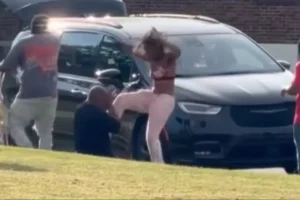
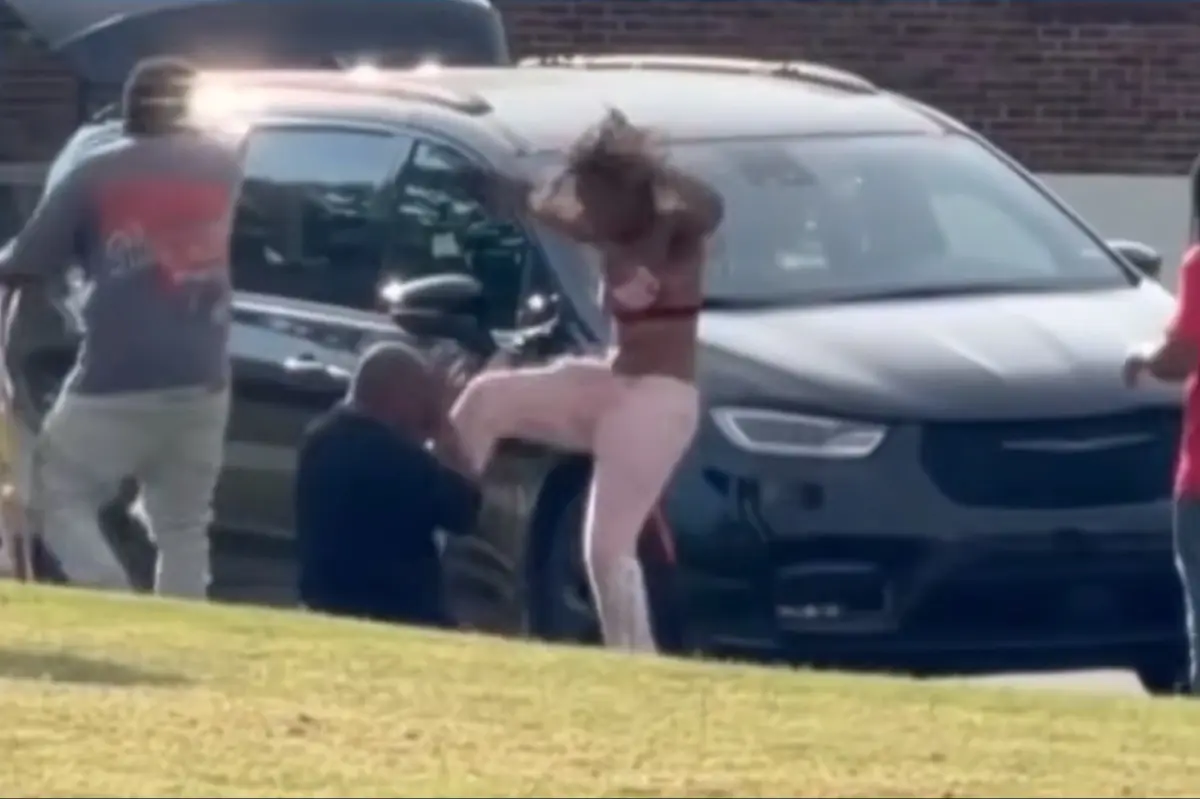
There are moments in life when a simple mistake, a few seconds of misjudgment behind the wheel, becomes the doorway to a nightmare. Lance Jeffries, a 63-year-old retired truck driver, never expected that a fender bender on a Saturday afternoon would leave him fighting for his life in a hospital bed, his body bruised and broken, his sense of safety shattered forever. It happened near an intersection in Jennings, Missouri, a quiet suburb that suddenly became the scene of a brutal, senseless assault. Jeffries had rear-ended a car carrying a family returning from the zoo. Instead of exchanging angry words or waiting for police, he stepped out to check on the other passengers, concerned for their wellbeing. That act of decency and responsibility turned into a trap. Video captured several people surrounding him, kicking him while he was still upright, then continuing to kick him once he collapsed onto the pavement. They dragged him across the road as if he were nothing more than a piece of lint, as his daughter Valancia later described with raw anguish. The violence was not an accident of emotion; it was a ferocious, uncontrolled beatdown inflicted on an older man whose only mistake was being involved in a minor collision. The attackers, a family group that included a woman, her aunt, and the father of her children, did not stop until Jeffries lay helpless and broken. By the time they were done, he had been kicked in the face, chest, and pelvis, and his wallet had been stolen. Then they fled, leaving him bleeding on the street, alone, while his family had no idea for hours that he was even in the hospital.
Paragraph 2
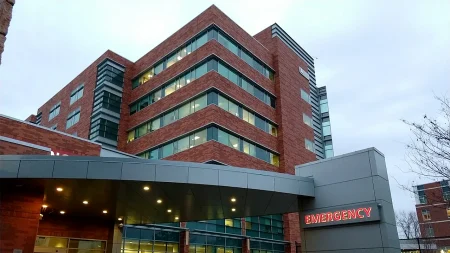
For Valancia, the news came like a thunderbolt. She had no idea that her father had been admitted to the hospital until ten o’clock Saturday night, roughly five hours after the attack unfolded. Those hours were a terrifying void, a parent and child connection stretched into silence. When she finally saw him, the image was almost unbearable. His eyes were swollen shut, his jaw distorted and bruised, his neck injured from the assault. Doctors found blood clots in his leg and in his stomach, exactly where the kicks had landed with vicious precision. He faced surgery, and the pain was overwhelming. But the physical injuries were only half the horror. The emotional damage, the trauma of being hunted down and beaten by strangers, was something no X-ray could show. Valancia described her father as traumatized, hurt, and scared, words that carry the weight of a family watching someone they love crumble. The retired truck driver had lived a life of discipline and hard work, navigating highways and deadlines, expecting to enter his golden years with peace. Instead, he now lay in a hospital room, the rhythm of his life interrupted by an afternoon of rage. His family was devastated, heartbroken, and desperate. Valancia’s voice cracked as she called for accountability, demanding that the people who did this to her father be held responsible. She used the word justice repeatedly, not as a slogan but as a plea, a lifeline thrown into the dark waters of a tragedy that felt avoidable, absurd, and cruel.
Paragraph 3
In the days that followed, the attackers, now identified and taken into custody, stepped forward to offer apologies. Their words revealed a complicated, uncomfortable truth: they were not monsters in the sense of cartoon villains, but ordinary people who made an extraordinary decision to let rage control them. Mary Moore, one of the women seen in the video, tried to explain her mindset in the seconds after the crash. She spoke of anger, of seeing her children hurt, of losing her vehicle. In that moment, she said, she was not thinking about the man in front of her, not seeing his age, his life, his vulnerability. She simply reacted, and the reaction was violent. Her apology was raw and self-condemning. She admitted that her actions were not okay, that she was hurt and disappointed in herself. Her aunt, Tamara Logan, also apologized for kicking and slapping Jeffries, acknowledging that she was wrong. Davion Alfred, the father of Moore’s children, said he too was hurt and disappointed by what he did, insisting that none of it was justified. These apologies are difficult to hear. They sound like remorse, but they also sound like the hollow echo of a lesson learned too late. The victims of rage often carry wounds long after the apologies fade. And while it may be comforting to think of violence as something that belongs only to strangers, these perpetrators were a family, ordinary people who had spent the day at the zoo with their children, only to descend into brutality when stress and anger collided. Their words cannot erase the video of a 63-year-old man being dragged across the pavement. They cannot heal the blood clots in his stomach or the fear in his eyes. But they do remind us that violence often sneaks out of ordinary people, surprising them as much as their victims, and leaving everyone in its wake forever changed.
Paragraph 4
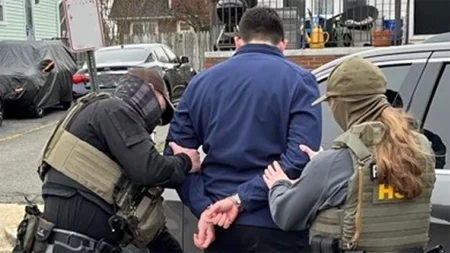
The legal process now moves forward, slowly and deliberately. Moore, Logan, and Alfred were being held at the St. Louis County Jail as of Wednesday, but charges had not yet been filed. Another relative was also in custody. The lack of immediate charges frustrated the Jeffries family, who wanted to see swift and unequivocal consequences. Valancia’s call for justice rang through news interviews and social media, amplified by a public that had seen the viral video and felt a collective shudder of outrage. Prosecutors, for their part, promised to conduct a thorough investigation and to fully prosecute those responsible. That promise is a fragile comfort for a family watching their patriarch suffer. It means paperwork, hearings, delays, and legal maneuvers. It means reliving the trauma in courtrooms and facing the people who broke their father. But it is also a vital acknowledgment that what happened was not a minor scuffle or a misunderstanding. It was a robbery, a battery, an assault on an elderly man. The legal system, despite its flaws, exists to draw a line around that kind of cruelty and say, in clear terms, this is not acceptable. For now, the family waits, caught between fear and hope, knowing that no verdict can truly undo the damage. They want accountability not only for punishment but for the message it sends: that a person’s life cannot be treated as garbage, that a moment of anger cannot justify a beating, that community standards must reject violence even when apologies are offered.
Paragraph 5
This story is not just about one man and one family. It is a mirror held up to a society where stress, frustration, and anger too often boil over into violence. We live in a time of division, distrust, and quick tempers. The simplest conflict, a car accident, a parking dispute, a loud argument, can escalate into a tragedy. The attackers at that intersection in Jennings were not professional criminals plotting a robbery; they were people on a day out, perhaps exhausted, perhaps overwhelmed, and they exploded in a way that destroyed their own lives as much as Jeffries suffered. This should make us all pause and reflect. How many times have we felt the heat of rage rising in our chests, the urge to lash out, the need to be right? How many times have we forgotten to see the human being on the other side of a mistake? The attackers themselves admitted they were not thinking, not reflecting, not seeing an elderly man. They saw an inconvenience, an obstacle, a target for their pain. That failure of empathy is the root of so much unnecessary suffering. It is not enough to apologize afterward. We need to cultivate the ability to pause, to breathe, to remember our own fragility. We need to teach our children that anger is normal but violence is never a solution. For Jeffries, the lesson came at an unbearable cost. For Moore, Logan, and Alfred, the lesson came too late. For the rest of us, it is a warning: the line between a normal day and a nightmare is thinner than we imagine, and every choice we make in a moment of stress can echo forever.
Paragraph 6
As the Jeffries family waits by the hospital bed, they hold onto hope. Hope that the surgery will go well, that the blood clots will dissolve, that the pain will fade, that their father will walk again, laugh again, feel safe again. It is a fragile hope, wrapped in gauze and medication, sustained by prayer and the kindness of strangers who have reached out in support. Valancia’s voice, though weary, rings with determination. She will not let this be forgotten. She will not allow her father to become another statistic, another story that flashes across the news and disappears. She wants justice, and she wants change. The community, too, must decide what this moment means. Will it be a reason to harden hearts and demand vengeance? Or will it be an invitation to examine the ways we treat each other, the small kindnesses we withhold, the tensions we let fester, the moments when we choose cruelty over compassion? In the end, Lance Jeffries is a man who went to check on strangers after a fender bender. That instinct, the instinct to care for others even when it is not required, is the best part of humanity. It is tragic that his kindness was met with violence. But it is also a reminder that we are all connected, that one life matters, that a retired truck driver deserves the same dignity as anyone else. The road to recovery will be long, but so is the road to justice. Along both paths, there will be setbacks and pain. Yet, with the support of his daughter, his family, and a community that refuses to look away, there is a chance that from this dark moment, something brighter can emerge. And perhaps, in time, the apologies offered by those who hurt him will transform into genuine understanding, not just words, but a lifelong commitment to never let rage define them again. That would be a form of justice too, a healing not only for Jeffries but for the entire web of people touched by this senseless act. Until then, a 63-year-old man lies in a hospital bed, dreaming of the day when he can wake up without fear, and his family stands guard, reminding the world that he is not just a victim, but a human being worthy of love, respect, and peace.