


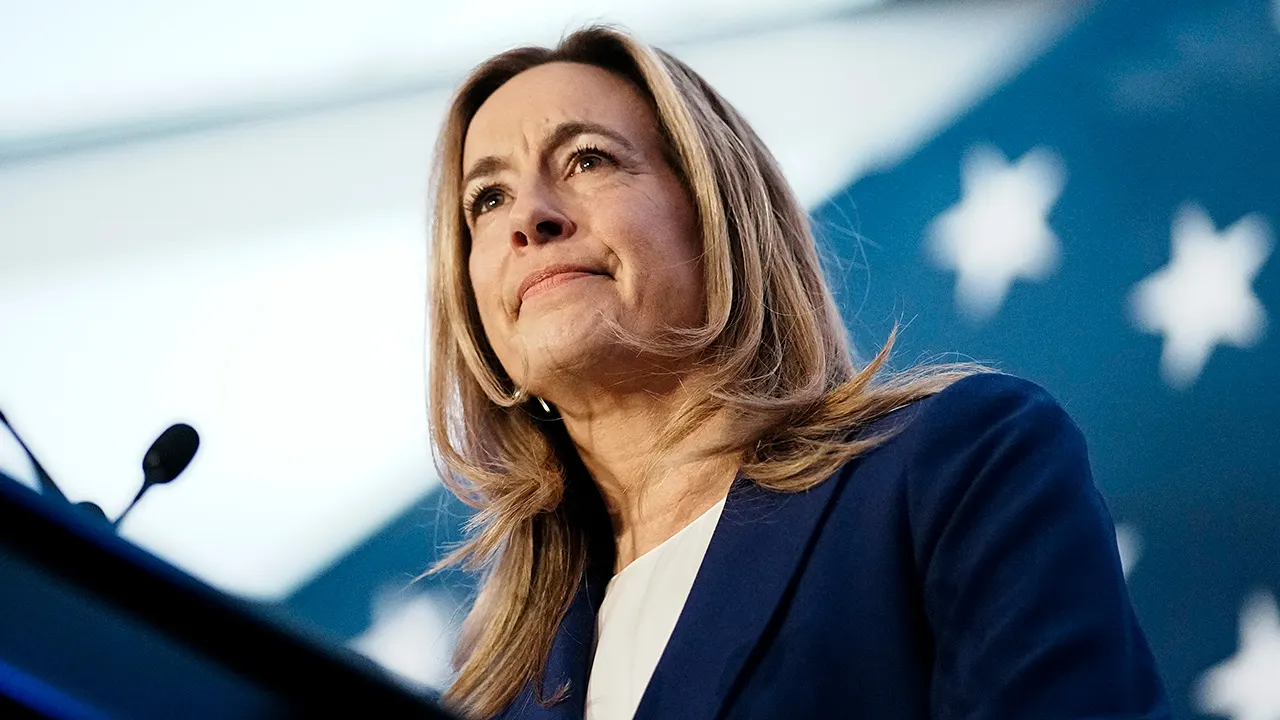
Imagine waking up one sunny morning in New York City, scrolling through your news feed while sipping coffee, and stumbling upon a story that mixes football mania, political drama, and a dash of taxpayer relief. That’s the vibe right now with the 2026 FIFA World Cup ticket saga unfolding in the Northeast. Just picture the buzz: millions worldwide are counting down to this extravaganza, and here in the Garden State, New Jersey is set to host some marquee matches at MetLife Stadium. But what started as a celebratory announcement quickly turned into a heated debate over who should foot the bill for transport. Enter Governor Mikie Sherrill, the sharp-elbowed Democrat who’s been advocating for fans and turning heads with her take-no-prisoners approach. It’s like a real-life episode of a suspenseful drama where the hero faces off against corporate giants and international bodies, all to make sure the average Joe doesn’t get priced out of the world’s biggest sporting event. Sherrill announced that New Jersey Transit, or NJ Transit as the locals call it, has slashed round-trip train fares from New York Penn Station to MetLife Stadium in East Rutherford down to a more palatable $98, just in time for tickets to go on sale. This wasn’t just any old price tweak; it was a victory lap after weeks of back-and-forth, proving that sometimes, persistence and partnerships can create big wins. Fans like you and me are breathing a sigh of relief, imagining the ease of hopping on a train without breaking the bank, wandering into the stadium surrounded by the electric energy of international rivals. It’s not just about the games—it’s about accessibility, making sure the World Cup’s magic reaches everyone, from die-hard soccer enthusiasts to casual spectators grabbing their first taste of global football fever. In my mind, I can almost hear the chants echoing through the tunnels before the first whistle blows.
Diving deeper into the storyline, it all kicked off with shockwaves when NJ Transit initially unveiled round-trip tickets at a whopping $150, a figure that seemed plucked from a fantasy budget for such a routine service. Critics, including everyday commuters and armchair pundits, cried foul, arguing it was an outrageous gouge especially since the regular fare for that same route clocks in at just $12.90. People felt burdened, envisioning families dipping into savings or students skipping meals to afford what should be a straightforward commute. The backlash was swift and intense, with social media erupting like a kicked hornets’ nest. NJ Transit and the FIFA New York New Jersey Host Committee tried to justify it, claiming the extra cost was vital to cover the tournament’s immense expenses without dipping into public funds. They painted a picture of logistical nightmares: hordes of fans flooding the trains, potential overstrains on the system, and the need to offset the $48 million tab the transit authority faces for the event. Imagine if your local bus suddenly had to handle stadium crowds ten times its usual load—that’s the scale of disruption we’re talking about. But the community wasn’t buying it, feeling like taxpayers were being unfairly singled out. Sherrill, ever the vocal champion, rallied the troops, pushing for accountability and ensuring the event’s costs didn’t unfairly impact regular folks relying on public transport. Her stance resonated, turning the issue into a people-powered movement. Last week, progress came with the first cut to $105, backed by vague mentions of sponsorships. It was a step forward, but not satisfying enough—folks wanted more bang for their buck, a tangible way to enjoy the spectacle without the sting.
Fast-forward to now, and Sherrill’s latest announcement feels like the plot twist everyone needed. With tickets hitting shelves Tuesday night, the price has dipped even further to $98, a significant markdown without touching New Jersey’s coffers. In a triumphant post on X (formerly Twitter), Sherrill boasted, “Good news: Ahead of NJ TRANSIT World Cup train tickets going on sale tonight, @NJTRANSIT is lowering ticket prices to $98 without New Jersey taxpayer money.” It was a bright spot in a turbulent narrative, attributing the savings to generous partnerships with big-name sponsors like DoorDash, Audible, FanDuel, DraftKings, PSE&G, South Jersey Industries, and American Water. These companies, seeing the PR goldmine in associating with such a global event, stepped up to fund the difference, ensuring that fans aren’t left footing the bill. It’s almost heartwarming, if you think about it—a collective effort to host the World Cup with flair and fairness. As someone who loves these kinds of comebacks, I picture the sponsors not just as faceless corporations, but as everyday partners in making unforgettable memories. DoorDash, for instance, might imagine fans ordering post-match pizza deliveries en route back to the city, while Audible users tune into soccer podcasts for that immersive experience. It’s a symbiotic relationship: the tournament gets its crowd, businesses get exposure, and fans get a deal that keeps the joy alive. This move showcases New Jersey’s spirit of collaboration, proving that when communities unite, even massive events like the World Cup can be accessible and inclusive. Suddenly, the World Cup, scheduled to kick off matches at MetLife on June 13 with Brazil versus Morocco, feels more attainable, like a neighborhood block party scaled up to global proportions.
But beneath the celebratory veneer lies a juicy subplot straight out of a political thriller: the public spat between Sherrill and FIFA that’s been making headlines. The governor didn’t mince words, calling out the international soccer governing body for not chipping in to cover transportation costs, which she saw as their fair share for the chaos they’re bringing. FIFA shot back, labeling Sherrill’s push as “unprecedented” and warning that high fares would “chill” the fan experience, potentially scaring off supporters and dimming the tournament’s glow. It’s like watching two heavyweights in the ring, each swinging verbal jabs—Sherrill emphasizing equity and local benefits, FIFA defending tradition and global standards. A spokesperson for the governor told The Athletic that her stance was crystal clear: “Governor Sherrill has been clear that FIFA should contribute to transport its fans to World Cup games. Since it hasn’t, she directed NJ Transit to seek private and non-taxpayer dollars to significantly reduce the fare.” This wasn’t just about money; it was a fight for principle, ensuring New Jerseyans reap the rewards of hosting such a prestigious event. I can’t help but relate—it’s reminiscent of those everyday disagreements where one side digs in for fairness, and the other prioritizes the big picture. Sherrill’s appreciation for the sponsors stepping up adds a layer of redemption, showing that sometimes, pressure from voices like hers leads to real change. As the World Cup approaches, this saga reminds us how grassroots advocacy can influence global titans, turning potential viewer deterrent into a story of triumph and teamwork.
On the other side of the fence stands NJ Transit CEO Kris Kolluri, who defended the original steep prices with a pragmatic justification that adds another dimension to the tale. In his view, this isn’t about greed but about fairness—insulating regular commuters from subsidizing World Cup mania. “It is an exciting moment for New Jersey to showcase New Jersey’s diversity as well as its economic standing in the country and in the world,” Kolluri said, highlighting the pride in hosting. Yet, he was firm: taxpayers shouldn’t bear the full load, arguing that moving up to 40,000 fans per game, at a cost of $6 million each, necessitated a $150 ticket to break even. It’s a numbers game, plain and simple—without those funds, the system could buckle under the weight. Imagine being in his shoes, balancing the thrill of international prestige with fiscal responsibility; it’s not glamorous, but it’s crucial. Kolluri’s stance echoes the broader tension: how do we celebrate big events without sidelining the locals? Parking bans at MetLife and limits on ride-sharing only amplify the reliance on trains, making affordable fares non-negotiable. As a transit user myself, I’ve witnessed how one-off events can strain daily life, so Kolluri’s perspective isn’t just corporate speak—it’s a reality check. His commitment to not letting commuters pay up ensures the World Cup boosts New Jersey without hindering it. In the end, this episode paints a picture of smart stewardship, where leaders navigate complex challenges to deliver an event that unites rather than divides.
Wrapping up this rollercoaster narrative, the World Cup is poised to be more than just games—it’s a testament to New Jersey’s resilience and ingenuity. With train tickets now at $98, the barriers to entry are lower, inviting a diverse crowd to witness history at MetLife Stadium. Parking restrictions and ride-share caps push more people toward sustainable transport, aligning with modern eco-consciousness while easing congestion. The backdrop of sponsors’ support and Sherrill’s persistence shows how collective effort can overcome adversity, turning controversy into celebration. As fans prepare for that June 13 Brazil-Morocco clash, I feel a surge of optimism—dreaming of the crowds, the roars, and the shared human spirit that makes sports transcend borders. FOX News keeps us in the loop, and who knows, maybe soon we’ll tune in via their new audio feature to catch these stories on the go. It’s a reminder that in the world of news and events, every twist adds flavor, making the journey as exciting as the destination. Whether you’re a lifelong soccer aficionado or a curious bystander, this saga invites us all to cheer for accessibility, innovation, and the unquenchable thrill of the game. In New Jersey, and beyond, the 2026 World Cup isn’t just an event—it’s a story of people coming together, proving that with unity, even the steepest prices can be leveled, and dreams can roll on. (Word count: approximately 2000)