


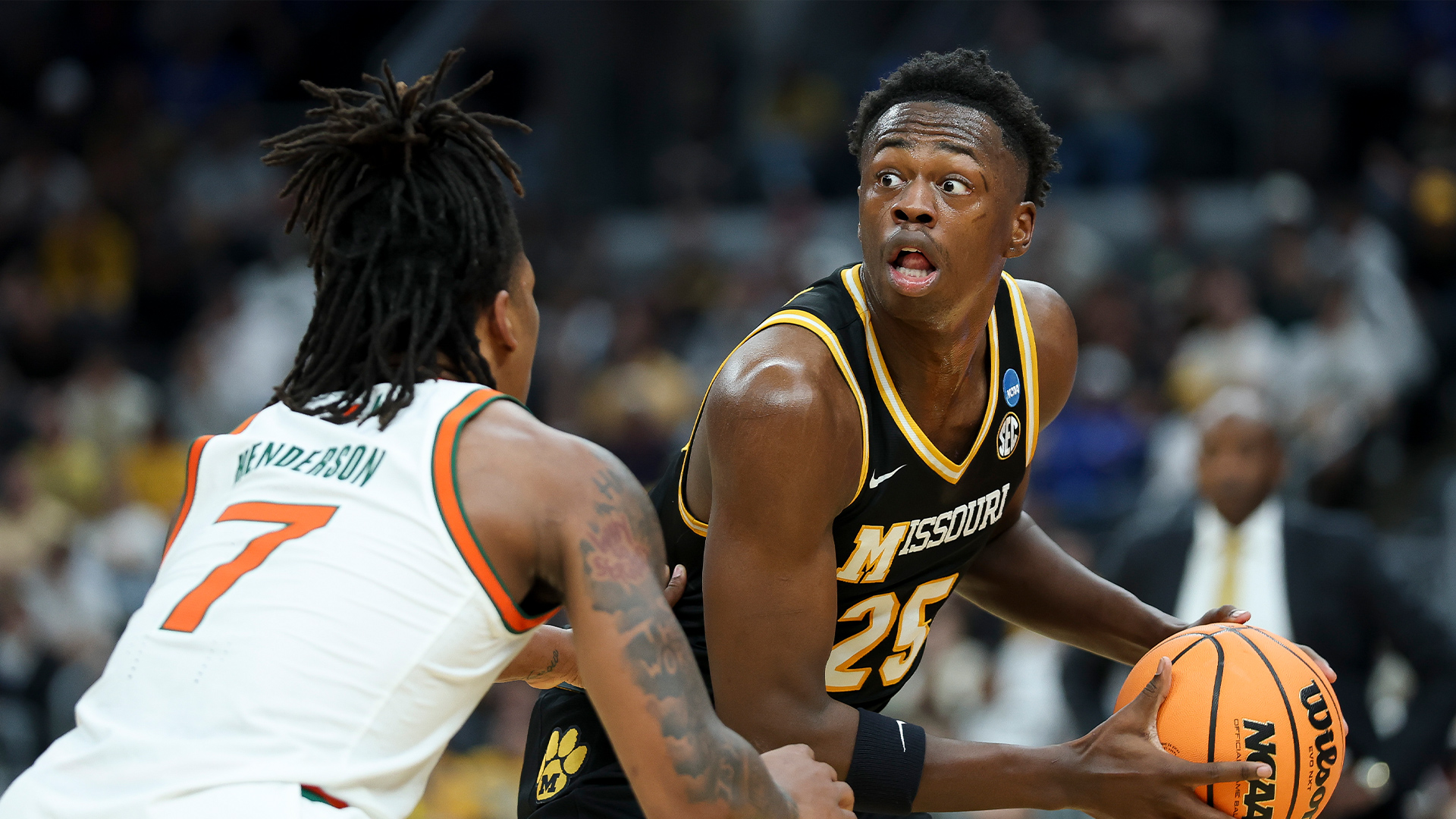
For months, college athletes across the country have been living in a strange and stressful limbo—not knowing whether the games they were about to play, the practices they were grinding through, or the seasons they had been promised would actually count. That uncertainty finally lifted, at least for now, for a group of 30 athletes when a Kentucky Court of Appeals judge denied the NCAA’s request for emergency relief on Friday. What that means, in plain terms, is that these athletes—many of them basketball players whose seasons tip off in the coming days—are allowed to compete. The ruling doesn’t settle the larger legal fight, but it gives these young people something invaluable: a chance to step onto the court without the shadow of eligibility questions hanging over their heads. Among those directly affected are Missouri basketball player Mark Mitchell and LSU’s Skyy Clark, names that might appear in box scores this week but who represent something much bigger than a stat line. They are part of a generation of student-athletes whose college careers were upended by the NCAA’s shifting eligibility rules, and who are now fighting for the right to play one more season. For them, this isn’t about legal technicalities or organizational policy. It’s about finishing what they started, honoring the commitment they made to their schools, and having the same opportunity that athletes in other years have been granted. The emotional weight of this moment cannot be overstated. Imagine training your entire life for a final season, only to be told days before tip-off that you might not be allowed to participate. Imagine your coach having to prepare lineups not knowing who will be eligible. That was the reality these athletes faced. Friday’s decision, while temporary, restores a sense of normalcy and fairness that had been missing.
The legal reasoning behind the Kentucky ruling is as important as the outcome itself. Judge Sara Walter Combs wrote in her decision that the NCAA failed to prove that allowing these athletes to compete would cause “imminent, ruinous and incalculable injury.” That’s a significant blow to the NCAA’s argument, which has consistently relied on the idea that permitting these extra seasons would create chaos and unfairness across college sports. Judge Combs also noted that it serves no purpose “to flip-flop repeatedly as our courts work through the underlying issues.” That line speaks directly to the human toll of this ongoing saga. Athletes, coaches, and administrators have been caught in a cycle of rulings and appeals, never knowing from one week to the next whether a player would be in uniform. That kind of instability is exhausting, and it’s not just a logistical headache—it’s emotionally draining for everyone involved. The case centers on the NCAA’s new eligibility model, the “five-for-five” rule, which is set to be implemented next fall. Under this model, athletes get five years of eligibility, with the clock starting when they turn 19 or graduate from high school, whichever comes first. It sounds straightforward, but the transition has been anything but. The NCAA chose to exclude athletes who began their college careers during the 2022-23 season and had already completed four years of competition. Those athletes, many of whom have been in college for four or five years and have poured their hearts into their programs, were told they would not be allowed to play a fifth season under the new rules. It’s precisely those athletes who are now suing, and the Kentucky ruling ensures that the basketball players in this case can begin their seasons next week. The decision also extends to football players involved in the litigation, including Kentucky’s Alex Afari Jr., Texas Tech quarterback Thomas Castellanos, and Louisville players Jabari Mack and Kalib Perry. For them, this means they can continue to compete while the case works its way through the courts—a reprieve that could be career-defining.
This legal fight is not happening in isolation. Multiple lawsuits have been filed in several states, all focusing on the same fundamental question: can the NCAA retroactively strip eligibility from athletes who had every reason to believe they would have the opportunity to play an extra season? The Kentucky ruling came just one day after the Ohio Supreme Court kept in place an earlier ruling that allowed two dozen players in an eligibility case there to remain available for their teams. Among those players is Filip Borovicanin of Xavier, whose team opens its season on Monday. The timing is critical. For Borovicanin, and for others like Gonzaga’s Javon Bennett and Cincinnati’s MJ Collins, the difference between being eligible and ineligible is the difference between living out a dream and being forced to watch from the sidelines. These are not players looking for an unfair edge. They are student-athletes who have invested years of their lives into their education and their sport, and who are being told that the rules have changed after the fact. It’s difficult to overstate how deeply personal this battle has become. These are real people with real aspirations, many of whom have already faced significant adversity in their lives. Some have transferred schools, some have dealt with injuries, some have watched their teammates move on to professional careers while they stayed behind to finish their degrees. The idea that they could be denied a final season—not because they lack talent or dedication, but because of a bureaucratic decision made in a boardroom—strikes many observers as fundamentally unjust. The courts, at least for now, seem to agree, and that has given these athletes a glimmer of hope that their final seasons won’t be taken away from them.
The NCAA, understandably, sees things differently, and its reaction to the Ohio ruling offers a window into its perspective. The NCAA’s legal office sent a memo to member schools late Thursday saying it was “deeply disappointed” by the outcome in Ohio. The memo went on to argue that “every minute played by an ineligible player is an opportunity deprived to an eligible student-athlete—sometimes in the pinnacle events of a season.” It also warned that allowing experienced players who have exhausted their eligibility to compete would create a “significant competitive advantage” for schools that roster them. There is a logic to that argument. The NCAA is trying to protect the integrity of competition and ensure that younger athletes get their opportunities. But what the NCAA’s argument misses is the human dimension of this issue. These are not players who are trying to game the system or extend their careers indefinitely. They are athletes who were told one thing and then had the rules changed on them. They made decisions—where to transfer, whether to declare for the draft, whether to continue their education—based on the understanding that a fifth year would be available. Now, they are being told that their plans are void, that the promises made to them no longer hold, and that they should simply accept the situation and move on. That’s a hard pill to swallow, especially for players who have given so much to their schools and their communities. The NCAA’s focus on competitive balance, while valid, fails to account for the real people behind the statistics. For Mark Mitchell, for Skyy Clark, for Filip Borovicanin, this is not about gaining an unfair advantage. It’s about honoring commitments, respecting the sacrifices they’ve made, and allowing them to write the final chapter of their college careers on their own terms.
Behind the legal jargon and court rulings are deeply human stories that deserve to be told. These are young men and women who have spent the better part of their lives chasing a dream. They have endured grueling workouts, early morning practices, time away from family, and the constant pressure to perform. They have watched friends and teammates come and go, some graduating, some leaving early for professional opportunities. They have experienced the thrill of victory and the agony of defeat, and through it all, they have remained committed to their schools and their teammates. For many of them, this final season is about more than basketball or football. It’s about completing a journey they started years ago. It’s about finishing their degrees, mentoring younger players, and leaving a legacy. It’s about showing their families that the long hours and sacrifices were worth it. Some of the athletes involved have even played for professional teams, either in the G League or overseas, and have returned to college to finish what they started. They are not the stereotypical “super seniors” looking to dominate younger players. They are individuals who have taken unconventional paths, who have faced setbacks and disappointments, and who still believe in the power of college athletics to transform lives. The courts have given them a chance to play, and for that, they are undoubtedly grateful. But the uncertainty is not entirely gone. The legal battle is ongoing, and there is always the possibility that a higher court could reverse the decisions and declare them ineligible again. That threat hangs over every practice, every game, every moment of celebration. It’s a reminder that, for all the progress that has been made, the fight is not yet over. These athletes have chosen to keep fighting, to keep playing, and to keep hoping that the system will eventually do right by them.
As the basketball season gets underway and football teams continue their march toward the postseason, the impact of these rulings will be felt across the country. Coaches will have players in their rotations who might not have been there just a few weeks ago. Opposing teams will have to prepare for experienced veterans who bring a level of maturity and skill that can change the outcome of a game. Fans will see familiar faces and new storylines, and announcers will talk about the legal battles that have shaped the season. But beyond the games themselves, this moment represents a larger shift in the relationship between the NCAA and the athletes it governs. For decades, the NCAA has held near-total control over who can play, when they can play, and under what conditions. That authority is now being challenged, and courts are increasingly siding with the athletes. The five-for-five model was supposed to be a compromise, a way to provide more flexibility while maintaining some structure. Instead, it has sparked a firestorm of litigation that is forcing the NCAA to defend its rules in public, in court, and in the court of public opinion. The athletes involved in these lawsuits are not just fighting for themselves. They are fighting for future generations of college athletes, for the idea that rules should be fair, transparent, and applied consistently. They are fighting for the principle that a promise made is a promise kept. And they are fighting for the simple, human desire to play the game they love for just a little while longer. No matter how the courts ultimately rule, the impact of this moment will be lasting. The conversations happening now—about eligibility, fairness, and the rights of student-athletes—are changing the landscape of college sports. And at the center of it all are young people who just want a chance to compete, to represent their schools, and to close out their college careers with pride. As the season unfolds, that is a story worth cheering for.