


For twenty-seven long, agonizing years, the beating heart of New York basketball has yearned for this exact moment. Madison Square Garden, affectionally dubbed “The Mecca,” has stood as a quiet cathedral of deferred dreams, waiting for the return of the NBA Finals. Yet, as the New York Knicks prepare to take the court against the San Antonio Spurs for Game 3, a bittersweet shadow hangs over the celebratory atmosphere. The fierce, blue-collar loyalty that sustained the franchise through decades of heartbreak and losing seasons is facing an insurmountable brick wall of hyper-capitalism. Ticket prices have skyrocketed to historic, stomach-churning heights, with secondary market “get-in” prices hovering between $7,000 and $10,000, and premium seats reaching an astronomical $110,000. For the lifelong teachers, construction workers, and subway operators who sang the team’s praises through their darkest hours, the ultimate triumph of their beloved team has become an exclusive playground reserved only for billionaires, tech moguls, and elite socialites, signaling a gentrification of sports fandom where the loudest voices are systematically locked out of the building they helped build.
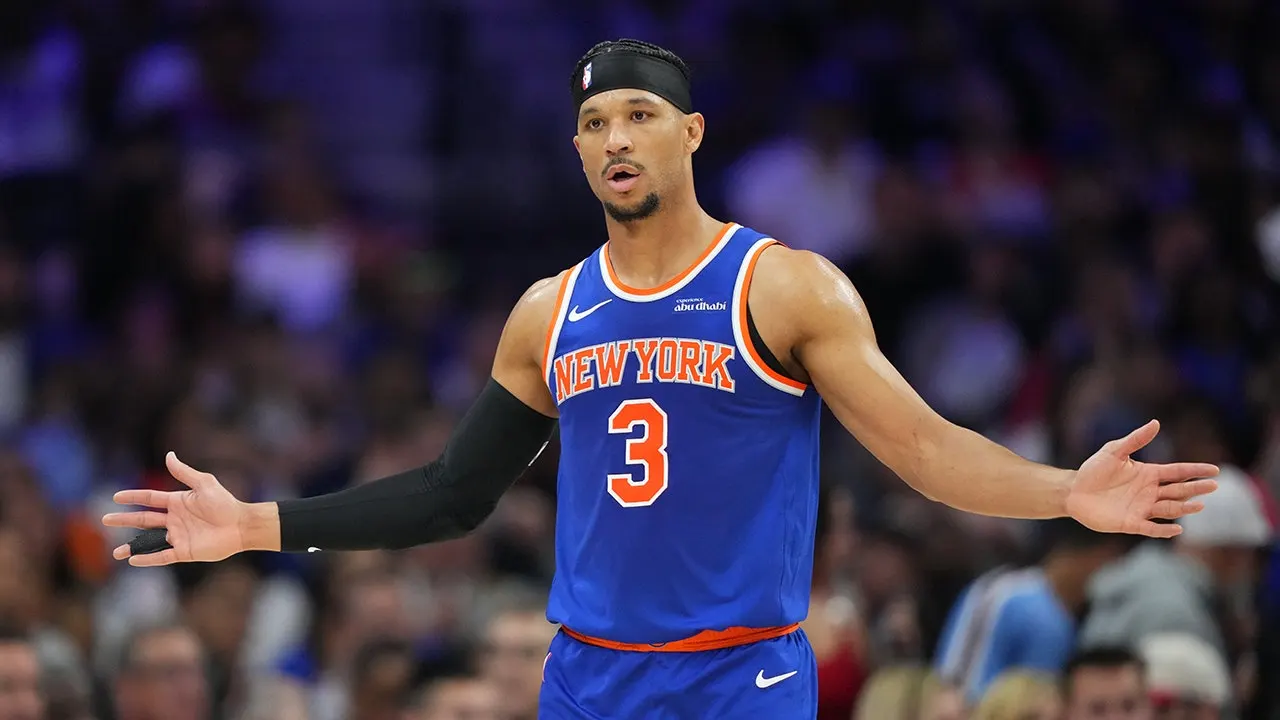
This stark socioeconomic divide has not gone unnoticed by the men wearing the jerseys. Knicks guard Josh Hart, a player beloved for his gritty hustle and no-nonsense attitude, captured the collective frustration of the city when he openly labeled the ticket prices “ridiculous” ahead of Monday night’s tip-off. Hart, who plays with the tireless work ethic of a man who understands the daily grind, expressed genuine sorrow that the real, passionate fans who have survived the long drought are being priced out of witnessing history firsthand. He lamented that those who wept and cheered through decades of mediocrity are now forced to watch from the sidelines of their own arena because they cannot afford the equivalent of a down payment on a car just to walk through the turnstiles. Even NBA Commissioner Adam Silver, a man who inherently operates at the intersection of sports and massive corporate revenue, admitted to feeling a deep sense of frustration over the pricing crisis. However, Silver also highlighted the brutal reality of supply and demand; the cultural gravity of the Knicks returning to the grandest stage of basketball has created a perfect storm of scarcity and desire, turning a simple sporting event into the most expensive ticket in modern entertainment history.
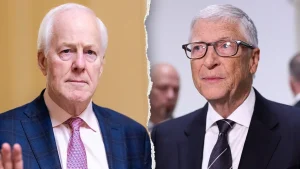
Adding to the surreal, high-stakes atmosphere of Game 3 is the impending arrival of President Donald Trump. His planned attendance has transformed an already tense basketball game into a multi-layered security event, complete with heavy police presence and TSA-style restrictions that require fans to arrive at least two hours early just to clear security. When asked on Air Force One about the eye-watering ticket prices, Trump offered a perspective that stood in sharp contrast to Hart’s empathetic disappointment. Shrugging off the financial strain on average families, the President remarked that fans could simply watch the game on television, noting that “it’s sorta semi-free… that’s the way life goes.” This cool, laissez-faire dismissal highlighted the broad disconnect between the ruling class and the everyday fan, treating a deeply rooted community milestone as a disposable luxury. For the fans waiting in the grueling, airport-like lines outside the Garden in the chilly evening air, the presidential visit serves as a reminder that the arena has temporarily ceased to be a home for local sports, morphing instead into a fortress of political theater and corporate opulence.
Behind the glitz, glamour, and political circus, a fierce and deadly serious game of basketball still needs to be played. The Knicks enter Game 3 with a fragile yet thrilling 2-0 lead, having narrowly escaped Game 2 with a heart-stopping 105-104 victory. On paper, they are riding an incredible thirteen-game winning streak, playing some of the most cohesive and inspired basketball New York has seen in a generation. Yet, standing in their path is the towering, transcendent talent of Victor Wembanyama and a resilient San Antonio Spurs squad eager to spoil the party and rewrite the script. The young Spurs have no intention of laying down, and the pressure of playing in front of a hyper-scrutinized, celebrity-studded crowd can easily shake a team that loses its focus. Every possession will be a battle of wills, and the electric energy inside the Garden—regardless of who bought the seats—will act as an amplifier for every triumphs and mistake on the hardwood.
Recognizing the immense noise surrounding the series, the Knicks’ leadership has adopted a stoic, laser-focused mentality that echoes the ghosts of basketball past. Players like Jalen Brunson, Karl-Anthony Towns, and Hart himself have refused to let the distractions of high-profile attendees or record-breaking ticket prices penetrate their locker room. They are channeling the legendary mindset of the late Kobe Bryant, who famously reminded the world in 2009 when his Los Angeles Lakers went up 2-0 against the Orlando Magic that the “job’s not finished.” That legendary Lakers squad went on to win the championship in five games, serving as a historic reminder that a two-game lead is a beginning, not an end. The current Knicks roster understands that execution on the court is the only currency that truly matters, and they are willfully tuning out the noise to ensure they do not celebrate a victory they have not yet fully earned.
Ultimately, this iteration of the NBA Finals at Madison Square Garden serves as a profound mirror to our modern world, highlighting the delicate, ongoing struggle between the soulful roots of community and the relentless march of commercialization. Underneath the blinding flashbulbs of courtside paparazzi, the heavy political security details, and the staggering financial figures that dominate the headlines, the true essence of the sport remains beautifully simple. It is found in the squeak of sneakers on polished wood, the collective gasp of twenty thousand human beings as a shot hangs in the air, and the raw, unscripted drama of human competition. No matter how much money change hands in the luxury suites, the game cannot be bought; it must be won. When the ball is finally tipped into the air, the corporate noise will fade into the background, leaving only the pure, timeless pursuit of glory that has defined New York basketball for generations.