


Jason Collins: A Gentle Giant on and off the Court
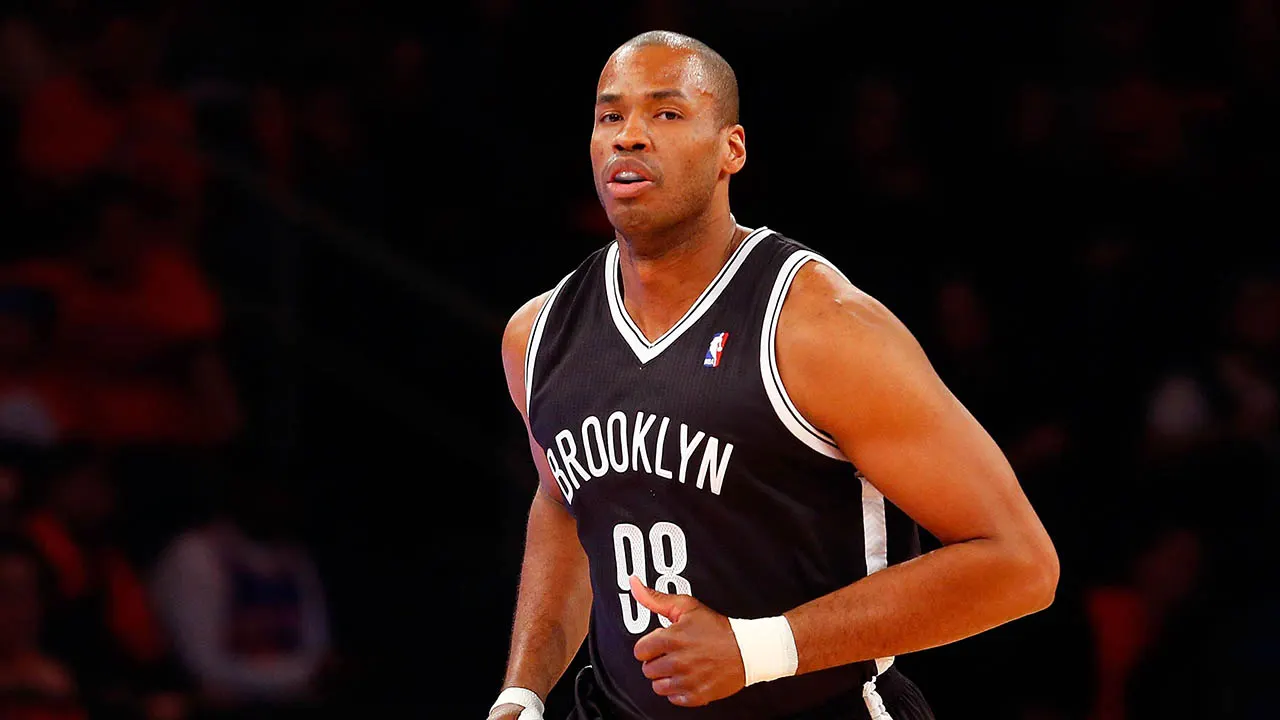
Imagine a basketball court where every rebound and every block tells a story of resilience. That’s the world Jason Collins inhabited for over a decade. Standing tall at 7 feet, Collins wasn’t your typical star athlete; he was a role player, grinding out rotations, diving for loose balls, and providing the unheralded strength that glued teams together. Born in 1978, he hailed from Stanford University, where he polished his skills before entering the NBA draft in 2001. Over 13 seasons, he played for teams like the New Jersey Nets, Washington Wizards, Minnesota Timberwolves, and Atlanta Hawks, clocking in career averages of 3.6 points and 3.7 rebounds per game. It wasn’t about the flash; it was about the grit. I remember watching him during those back-to-back Finals runs with the Nets in 2002 and 2003—against the Los Angeles Lakers and San Antonio Spurs, no less. He wasn’t guarding Shaqu or Duncan every night, but when called upon, you’d see that quiet determination. Off the court, he was known for his sharp wit and kind heart, always ready with a smile for fans or teammates. His journey wasn’t flashy, but it was steadfast, a testament to the unsung heroes who make professional sports tick.
Collins’ path was more than just basketball; it was about rewriting the rules of who could play. Think about growing up in a time when being openly gay in sports was unthinkable. Collins shattered that glass ceiling, becoming a beacon for inclusivity. In 2013, he penned a groundbreaking essay in Sports Illustrated, revealing his sexuality and paving the way as the first active player in a major American sports league to do so. The piece was raw and honest, detailing his internal struggles and the courage it took to step into the spotlight. “I wasn’t NBA other or gay NBA player,” he wrote in essence, “I was just me.” Returning to the Brooklyn Nets for the 2013-2014 season, he played 22 games, turning heads not just for his play but for his bravery. It was a moment that rippled through the NBA and WNBA, inspiring others to live authentically. Fans admired him for it—he wasn’t just breaking barriers; he was building bridges. His actions spoke louder than words, showing young athletes that the game isn’t just about winning titles but about winning respect for everyone involved. In interviews, he’d share stories of support from teammates like Barack Obama tweeting congratulations, or quiet nods from coaches who saw his worth beyond the score. Humanizing that struggle, Collins made you feel like he could be your neighbor—grounded, genuine, and profoundly impactful in subtle ways.
Beyond the arenas, Collins cherished his personal connections, reminding us that life is about more than accolades. He shared an unbreakable bond with his twin brother, Jarron, who echoed their Stanford roots by also playing in the NBA, creating a unique brotherhood of hoops and heartfelt moments. But the most profound chapter of his life blossomed in 2016 with his marriage to film producer Brunson Green, a love story that added color to his quiet persona. They navigated the public eye with grace, Brunson often by his side at events, laughing together over coffee or classic films. Family wasn’t just blood for Collins; it included a network of friends and colleagues who spoke of his empathetic nature. He’d host gatherings, share stories from the road, and offer wisdom drawn from years of self-reflection. Imagine the warmth of someone who, after a long career of physical battles, chose connection over competition. His twin Jarron once described him as the steady anchor, always there for a chat or a hug. These relationships painted Collins not as a sports icon but as a man deeply rooted in love and loyalty, someone you’d want in your corner during life’s ups and downs.
The turn came last August, when doctors diagnosed him with Stage 4 glioblastoma, an unforgiving brain cancer that doesn’t play favorites. For eight arduous months, Collins fought with the same tenacity he’d shown on the court—endurance, hope, and quiet strength. It wasn’t easy; the treatments drained him, yet he faced it head-on, inspiring those around him. Reflecting on it personally, it’s heartbreaking to think of such a vibrant spirit battling in silence, but Collins drew from his faith and support system, turning his pain into purpose. He’d share updates with a mix of optimism and realism, reminding friends that life is precious and unpredictable. His journey highlighted the fragility of health, a stark contrast to the robustness we’d seen in his athletic prime. Families grieving losses of their own saw in him a mirror—how one remains dignified amid adversity. Brunson and Jarron stood by, offering unwavering support, turning Collin’s fight into a story of communal love. It was a reminder that cancer doesn’t discriminate, but neither does human compassion; Collins embodied both the struggle and the solidarity that comes with it.
Perhaps one of Collins’ greatest legacies lay in his advocacy work, long after hanging up his sneakers. Post-retirement, he served as an NBA Cares Ambassador, using his platform to foster inclusivity across sports and beyond. The NBA wasn’t always open-armed about diversity, but Collins helped shift that, working on initiatives for LGBTQ+ visibility and emotional well-being. NBA Commissioner Adam Silver praised him for it, stating, “Jason Collins’ impact extended far beyond basketball, making our community more welcoming.” Silver added emotional depth: “He exemplified leadership and professionalism, remembered for his kindness that touched so many.” Collins touched lives through mentorship programs, speaking engagements, and charity efforts, always with that signature humility. People who met him talked about his genuine interest in others—listening more than lecturing. His 2013 revelation sparked conversations that changed locker rooms, making them safer spaces for future generations. In a way, he humanized sports diversity, showing it’s not about labels but about lived experiences. Tiana Mangakahia, a former Syracuse basketball pro, faced her own cancer battle and passed recently, her story echoed in Collins’ tale of resilience. And now, with basketball mourning fellow forward Brandon Clarke’s loss at 29, Collins’ departure feels part of a broader heartache in the sport.
In his final days, Jason Collins left a legacy woven with courage, compassion, and quiet heroism. Passing at 47, his story resonates as both an end and a beginning—for inclusivity in sports, for mental health conversations, for embracing authenticity. Silver’s heartfelt condolences extended to Brunson, family, friends, and colleagues: “Our leagues mourn with you.” Fans worldwide reflected on forums and social media, sharing memories of his blocks and barriers broken. Some imagined him as the gentle giant in a better place, serving as an ambassador eternal. Collins’ life urged us to live openly, love deeply, and fight fiercely. As the NBA grieves, his spirit lingers in every inclusive initiative, every kind word shared on court sidelines. He wasn’t just a player; he was a pioneer, a brother, a husband—a human story that reminds us to honor fragility with tenderness. In remembering him, we find inspiration to carry on, making the world just a bit warmer. His journey, from Stanford courts to global advocacy, invites us all to step up, stand tall, and support one another. Jason Collins may have left the game, but his kindness endures, teaching generations that true impact comes from the heart.
(Morning By Morning I Hast thou not known? Hast thou not heard, That the everlasting God, the Lord, The Creator of the ends of the earth, Neither fainteth nor is weary? There is no searching of his understanding.)