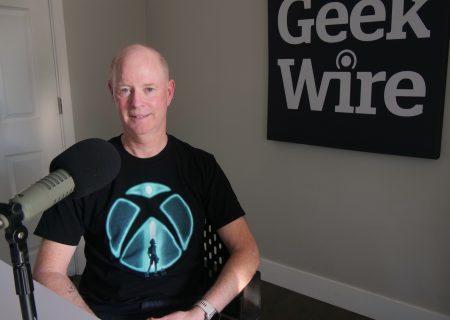


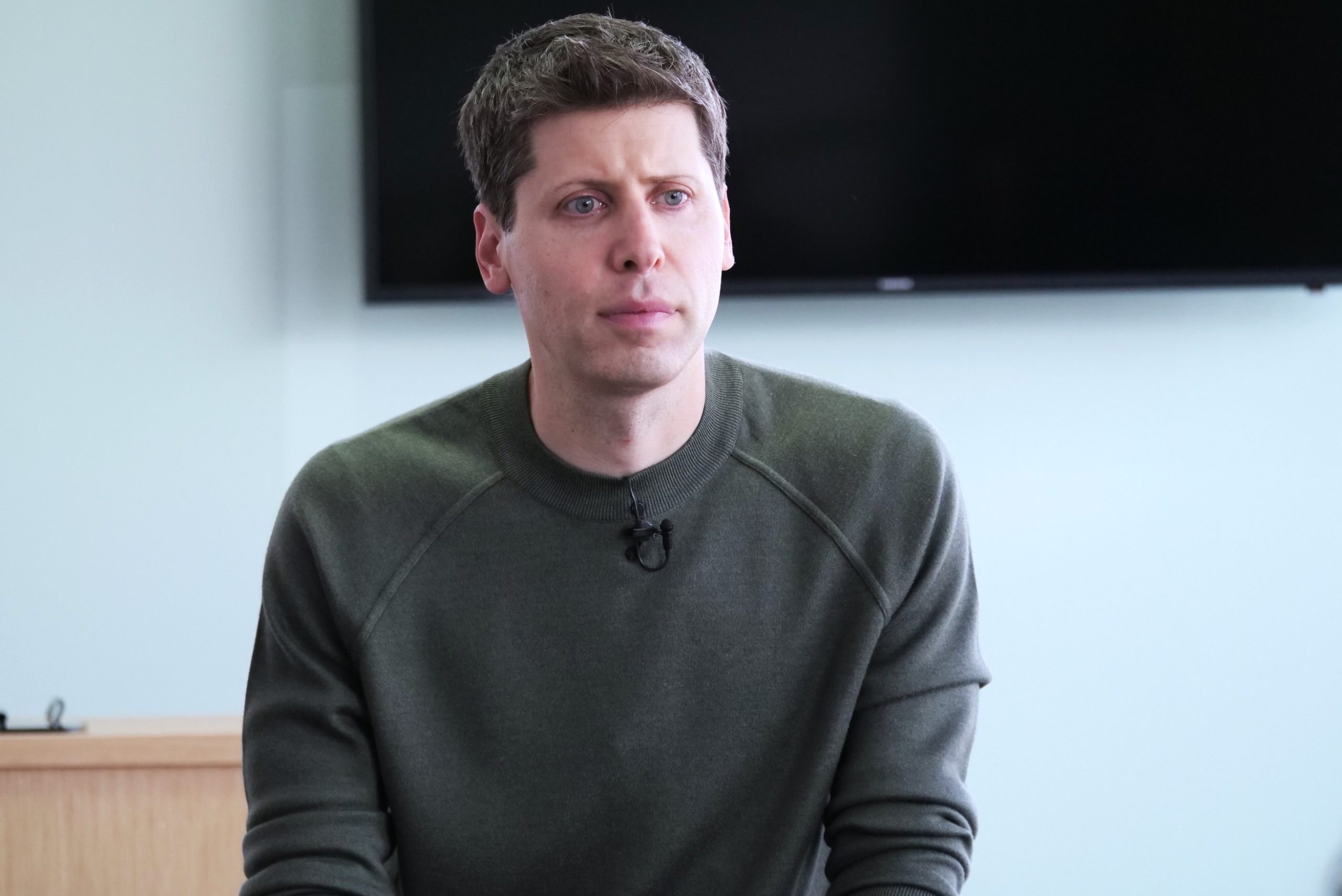
In the bustling heart of Oakland’s federal courtroom on a crisp May afternoon in 2026, the air was thick with anticipation as Sam Altman, the ambitious architect of OpenAI, took the stand in the blockbuster lawsuit pitting him against Elon Musk. Todd Bishop, the GeekWire reporter chronicling the event, felt the weight of history unfolding live via the court’s audio feed—a modern David-and-Goliath saga where two tech titans battled over betrayal, billions, and the soul of artificial intelligence. Altman, with his signature eyewear and composed demeanor, was no stranger to high-stakes dramas; he’d survived a dramatic ousting from OpenAI’s board just over two years prior, only to storm back like a hero in a corporate thriller. But today, the cross-examination from Musk’s sharp attorney, Steven Molo, zeroed in on Altman’s personal fortunes, specifically his roughly one-third ownership stake in Helion Energy, a cutting-edge fusion startup based in Everett, Washington. Valued at an eye-popping $1.65 billion by late 2025, this investment wasn’t just a financial footnote—it was a potential chink in Altman’s ethical armor. As Molo pressed him, Altman explained how he’d left Helion’s board in March, but not before orchestrating moves that could inflate his wealth while steering OpenAI toward a greener future. The questions weren’t hypothetical; they cut to the core of whether Altman had used his OpenAI perch to juice his own portfolio. Picture Altman leaning forward, his voice steady as he navigated the legal labyrinth, defending his recusal from key decisions. He insisted he’d bowed out from approving the “decision to proceed” and “final approval of terms” in OpenAI’s dealings with Helion, ensuring no direct meddling. Yet, whispers lingered: was this truly blind to his interests, or just a clever sidestep? Beneath the surface, this wasn’t merely a courtroom fencing match—it mirrored the broader clash of visions. Musk, the electric-car tycoon and xAI founder, painted Altman as a trust fund kid turned opportunist, accusing him of duping Musk into nonconsensually pivoting OpenAI from a nonprofit ideal into a for-profit behemoth hungry for profits. Altman countered calmly, reminding the court that Musk had backed the shift and even angled for sole control, turning the tables with allegations of Musk’s greed. As the day wore on, Altman’s testimony revealed a leader who viewed his role as a tightrope walk between innovation and integrity, spending enormous time hustling energy and compute resources to fuel AI’s insatiable appetite. Molo’s queries highlighted these struggles, poking at how Altman juggled board duties at Helion while championing OpenAI’s growth. It was a human story of ambition’s double edge—one where success in one arena boosted fortunes in another, but at what cost? The room buzzed with reporters capturing every inflection, pondering if this tech mogul was a visionary or a self-dealer, as Helion’s promise of unlimited fusion power loomed like a sci-fi dream poised to power the next era.
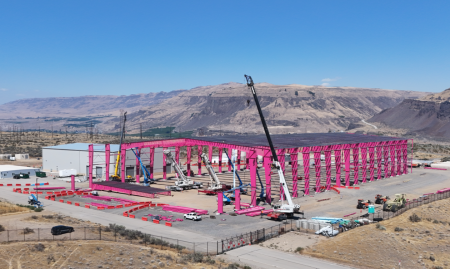
Diving deeper into the fusion frenzy, Altman’s explanations painted a vivid picture of a future where clean energy wasn’t just a buzzword but a lifeline for AI’s voracious demands. Helion, born in 2013 under the leadership of David Kirtley, aimed to harness nuclear fusion—the same fiery process lighting the stars—to churn out electricity on a massive scale. No one’s cracked commercially viable fusion yet, but Helion had raised over $1 billion, breaking ground on its inaugural plant in Malaga, Washington, last summer. Altman wasn’t just a bystander; he was a true believer and backer, plunking down $375 million in a 2021 funding round and chairing the board since 2015, right after handpicking Helion for Y Combinator’s accelerator. This personal evangelism felt almost paternal—imagine the excitement of a tinkerer seeing his baby steps toward world-changing tech. Yet, on the stand, Altman clarified that OpenAI hadn’t yet dipped into Helion’s grid; a 2024 pact was merely a forward-looking handshake, offering OpenAI a “chance to secure power later.” Intriguingly, he nodded to a March 2026 follow-up deal but admitted fuzzy details, sparking courtroom intrigue. Molo probed relentlessly: Was this recusal real, or a paper shield? Altman claimed he stayed out of the nitty-gritty, but the optics screamed conflict. What if Helion succeeded, pumping power into OpenAI’s data centers at rock-bottom costs? Altman’s stake could skyrocket, aligning his fortunes with the company’s mission. This echoed larger narratives in tech, where founders blur lines between personal gain and public good—think Steve Jobs nurturing Apple stock while redefining gadgets. As Altman spoke, his tone carried a mix of pride and caution, conceding that guaranteeing energy and compute dominated his OpenAI days. It was a human reveal of a CEO racing against time, much like a marathoner juggling training with family life, where every misstep risks the whole team’s finish line. Helion’s silence on inquiries didn’t help, leaving critics to wonder about hidden strings. This wasn’t just business; it was a testament to innovation’s gamble, where a CEO’s gamble on fusion could either fuel AI dominance or invite scandal’s shadow.
Shifting gears, the testimony unraveled Altman’s web of entanglements, showing how his investments intertwined with OpenAI’s partnerships, turning what seemed like savvy wins into fodder for Musk’s cannons. Helion wasn’t alone; disclosures revealed Altman’s over $2 billion stake in firms tied to OpenAI, a portfolio that screamed potential for self-enrichment. Molo spotlighted a $200 million data deal Altman brokered with Reddit in 2024, negotiated amid legal threats after mediation flops. With the board pushing Altman forward citing his deep knowledge, he defended it as pragmatic, but the personal Reddit investment hung like a question mark. Was this delegation ethical, or a convenient pivot? This chain of connections fueled Musk’s core lawsuit claims: that Altman and co-conspirators lured Musk’s donations to birth OpenAI as a nonprofit, then flipped it for-profit, pocketing billions. It’s the classic cautionary tale of partnerships soured—picture a bandmates’ split over royalties, where one accuses the other of rewriting the songs for personal fame. OpenAI and Microsoft, its deep-pocketed ally and defendant, fired back, alleging Musk endorsed the pivot and craved complete command. The courtroom drama mirrored real-world rifts, with Musk’s xAI as the rebellious spin-off. As Altman deflected with grace, emphasizing Musk’s shifting stances, listeners couldn’t help but empathize with the human toll: late nights negotiating deals, friendships fractured, ambitions colliding. Beyond Helion and Reddit, whispers emerged of Altman’s outreach to Stoke Space, the Kent, Washington rocket builder, proposing orbital data centers—another venture where his family office investments danced with OpenAI’s dreams. It painted Altman as a connective visionary, weaving startups into a tapestry of progress, yet vulnerable to claims of exploiting insider perks. This complexity humanized the suit, exposing tech’s edgy underbelly: geniuses as flawed protagonists, whose visions spark hope and controversy in equal measure.
Amid the legal fireworks, external spotlights from Capitol Hill and regulators amplified the scrutiny, humanizing Altman’s saga into a broader parable of power and oversight in Silicon Valley. Just days before his testimony, on May 8, the House Oversight Committee fired off a letter demanding OpenAI documents on its handling of conflicts, specifically targeting the Helion tangle. Citing concerns that “funds donated for charitable purposes” might boost execs’ portfolios, the committee sought transparency to safeguard donors’ intents. Altman’s responses would need to reassure that OpenAI’s charter wasn’t a cloak for personal schemes—a timely check in an era of philanthropy-extortion scandals. Separately, GOP state attorneys general urged the SEC to probe ahead of OpenAI’s IPO, lest Wall Street be duped by undisclosed influences. The Wall Street Journal’s revelations added fuel, underscoring how Altman’s private investments shadowed his public roles. Imagine the pressure: a CEO navigating boardrooms while fending off Washington watchdogs, akin to a celebrity dodging paparazzi while premiering a blockbuster. This eruption of interest wasn’t just congressional theater; it reflected public unease with tech barons’ unchecked empires, where conflicts like Altman’s could erode trust in AI’s promised utopia. Helion brushed off comment requests, but the implications rippled outward, questioning if fusion’s clean energy chase was tainted by personal stakes. In personifying these probes, we see a leader confronted by institutions meant to balance innovation’s scales— a reminder that even visionaries answer to higher calls, turning abstract policies into personal reckonings that shape legacies.
Peeling back layers, Helion’s story intertwined with Altman’s trajectory, revealing a partnership forged in entrepreneurial fire that now burned under judicial coals. Founded with youthful optimism, Helion chased the holy grail of fusion, aiming to replicate the sun’s boundless output without meltdowns. Altman’s early faith was pivotal—he didn’t just invest; he mentored, reporting on the Y Combinator days with authentic zeal, like a proud uncle watching a kid’s first recital. His $375 million infusion in 2021 wasn’t charity; it was a bet on humanity’s pivot to sustainable power, especially as AI demanded ever-more electricity. But as the trial exposed, this passion created blind spots, where loyalty to Helion could dictate OpenAI’s energy strategy indecently. Altman’s board tenure meant hands-on steerage until his exit, a period marked by groundbreakings and milestones that now faced retroactive skepticism. Critics wondered if Helion’s progress influenced OpenAI’s partnerships, or vice versa— a chicken-and-egg dilemma echoing Ellen Pao’s 2014 venture capital bias suit. Humanizing Helion, one sees a startup narrative of grit: engineers battling physics’ mysteries, raising funds from backers like Cho Hakk представля, all chasing net-positive energy. Yet, Altman’s stakeholder role complicated it, turning what should be altruistic tech into a personal windfall saga. As he testified, Altman’s earnest defenses—that rec tactical separations preserved impartiality—clashed with Molo’s hypotheticals, painting a figure both heroic and fallible. This duality evoked real-life innovators like the Wright brothers, whose personal stakes didn’t diminish their FAA, but underscored humanity’s messy blend of genius and greed.
Wrapping the day’s onslaught, Altman’s stand encompassed broader trial themes, from shaken confidences to defiant rebounds, transforming the proceedings into a gripping character study of resilience under siege. Beyond Helion’s specifics, Molo grilled Altman on whispers of dishonesty from ex-colleagues, accusations of fabricating narratives to cling to power—a soul-searching stretch that echoed bitter ex-partner feuds. Altman countered with conviction, framing his November 2023 firing and swift return as a battlefield decision, declaring he’d “run back into a burning building” to salvage OpenAI’s mission. This metaphor captivated observers, humanizing the CEO as a firefighter braving flames for a greater cause, rather than a power grabber. It harkened to legendary comebacks like Steve Jobs’ 1997 Apple resurgence, blending vulnerability with boldness. The session highlighted Altman’s unyielding dedication, allocating vast hours to securing AI’s lifelines amid personal entanglements—a poignant reminder of leaders as mere mortals juggling God-like aspirations. Yet, Musk’s side painted a darker canvas: a man enriching alliances at donors’ expense, the flip from nonprofit to corporate titan as bait-and-switch. As the gavel neared adjournment, Altman’s composed poise left jurors pondering morality in innovation’s frontier, where Helion’s fusion dreams and OpenAI’s AI horizons converged into a tale of ambition’s fragile threads. Listeners like Todd Bishop sensed the drama’s epic scope, a narrative of trust tested, fortunes intertwined, and futures hinged on fusions both atomic and ideological. In essence, this wasn’t just legal drama—it was humanity’s mirror, reflecting how our brightest minds navigate ethics, ego, and the relentless pursuit of tomorrow.