



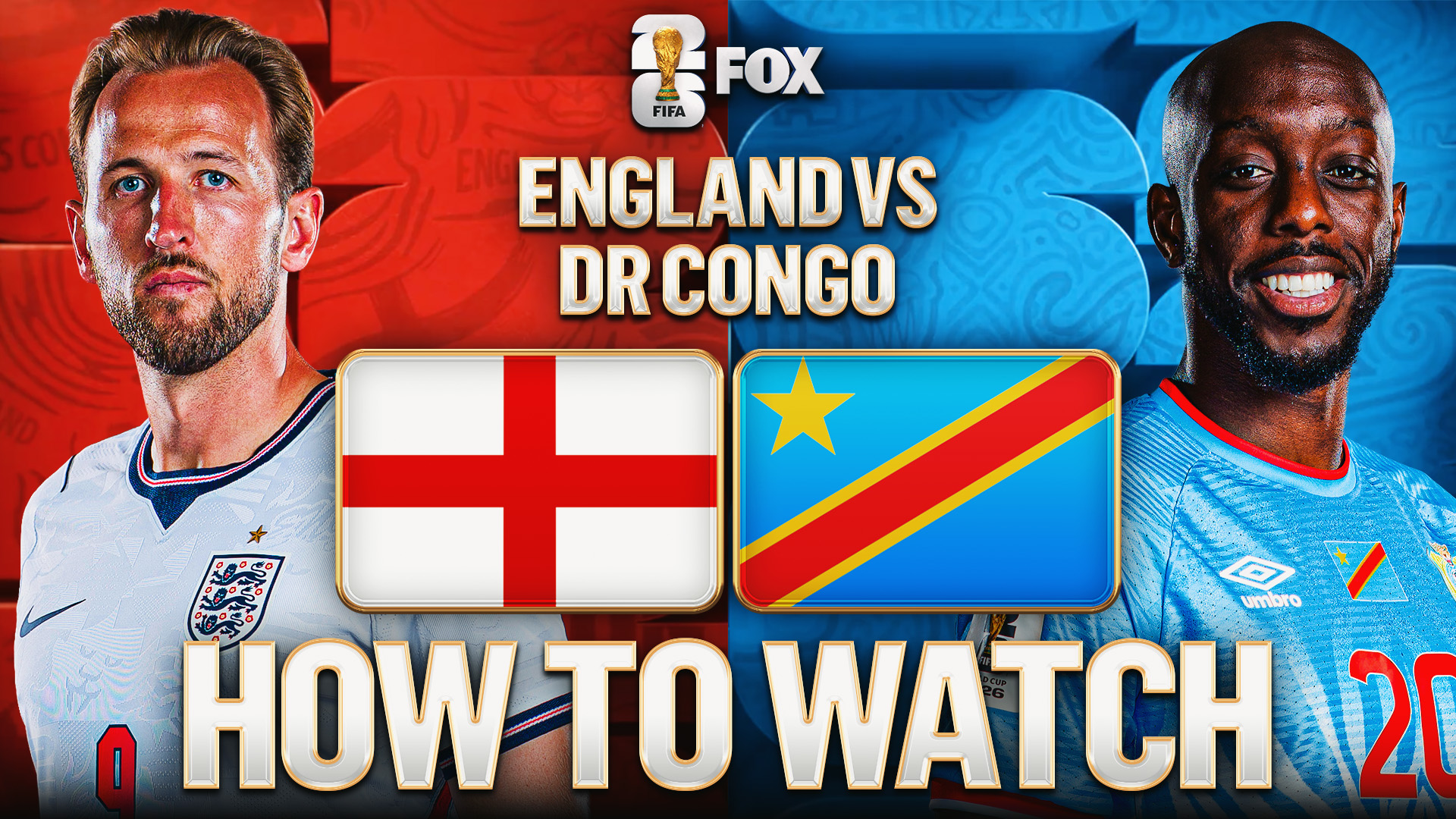
As the midsummer sun beats down on the soaring steel arches of Atlanta Stadium on Wednesday, July 1, 2026, the global football community will witness a clash that captures the absolute essence of the FIFA World Cup—a tournament where history, destiny, and raw human emotion collide on a patch of manicured grass. At high noon Eastern Time, England and the Democratic Republic of Congo will step onto the pitch for their highly anticipated Round of 16 encounter, presenting a narrative of two vastly different footballing worlds. On one side stands England, the traditional aristocrats of the game, carrying the immense, sometimes suffocating weight of a nation that expects nothing less than world dominance, guided by a golden generation of superstars looking to cement their legacy. On the other side is the Democratic Republic of Congo, a vibrant team of resilient underdogs who have already captured the hearts of millions across the globe by writing a modern-day fairy tale of endurance, overcoming decades of historical footballing hardship to reach this unprecedented stage. This match is not merely a statistical fixture on a bracket sheet; it is a profound human drama about the pursuit of immortality, the redemption of past generations, and the sheer joy of a nation discovering its voice on the grandest stage of all.
For England, the journey through the Group L matches was a compelling study in resilience, tactical maturity, and the relentless pressure that accompanies the famous Three Lions crest. They opened their World Cup campaign with a thrilling, free-flowing 4-2 victory over Croatia, a match that showcased England’s devastating attacking fluidity but also exposed some early defensive anxieties. This goal-fest was followed by a sobering, gritty 0-0 stalemate against a highly disciplined Ghana side—a match that drew sharp criticism from the demanding British press and served as a reminder of the tactical tightropes that must be walked in tournament football. Rather than panic, the English squad responded with quiet, professional authority in their final group match, systematically dismantling a defensive Panama side 2-0 to safely secure their progress at the top of the group table with a 2-1-0 record. Behind the tactical formations and training ground drills lies a squad of young men who have grown up in the exhausting crucible of the Premier League spotlight, learning to channel the hopes of a historically sports-obsessed homeland into a unified, composed pursuit of the ultimate trophy, proving that they can handle the psychological demands of being labeled tournament favorites.
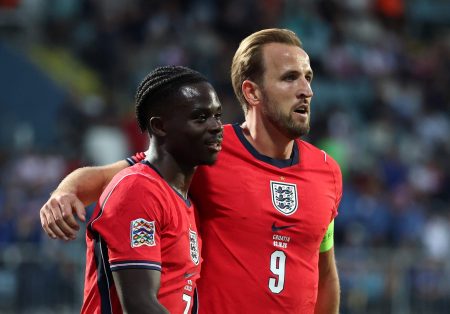
At the heart of England’s relentless offensive machinery are two individuals whose contrasting career stages beautifully define the human narrative of this team: the legendary veteran Harry Kane and the transcendent young maestro Jude Bellingham. Kane, the quintessential captain whose career has been a masterclass in clinical consistency, has already found the net three times in this tournament, with his final group-stage strike against Panama elevating him into the stratosphere of English football folklore. That goal was his 11th career World Cup goal, a monumental achievement that officially broke his tie with the legendary Gary Lineker to make Kane England’s all-time goals leader in World Cup history. While Kane represents the steady, record-breaking foundation of the team, the young Jude Bellingham provides the electric, emotional heartbeat in the midfield, contributing two vital goals of his own and playing with a maturity that defies his youth. Together, the relentless, record-shattering striker and the fearlessly elegant young midfielder embody the dreams of millions of English fans, acting as the bridge between past footballing heartbreaks and a future where “coming home” is no longer just a hopeful song, but a tangible, imminent reality.
In stark contrast to England’s well-planned elite sports science machinery, the Democratic Republic of Congo’s path to the knockout stage is a profoundly moving testament to human perseverance, national pride, and the beautiful unpredictability of sport. Decades ago, during their only previous World Cup appearance in West Germany in 1974, the nation competed under the name Zaire, enduring a painful, highly politicized tournament where they failed to score a single goal and suffered a heavy emotional toll amid intense domestic pressure. For fifty-two long years, those silent scoreboards and the heavy ghosts of 1974 hung over Congolese football like an unresolved shadow, making their qualification for the 2026 tournament an emotional triumph long before a ball was even kicked in the group stage. Now, competing under their true name and carrying the hopes of over one hundred million citizens who have endured social, political, and economic hardships, this team has transformed football into a beautiful vehicle for national healing and collective joy. To see the Leopards march onto the pitch in Atlanta is to witness a nation reclaiming its dignity, transforming decades of struggle into a vibrant, dancing celebration of identity on the global stage.
The Leopards’ miraculous progression from Group K was a masterclass in survival, tactical discipline, and clinical execution under the highest imaginable pressure, ultimately securing their historic knockout spot as one of the tournament’s best third-place finishers with four hard-earned points. Their campaign began with an incredibly gutsy, defensive masterclass that saw them earn a dramatic 1-1 draw against a star-studded Portugal side, a result that sent shockwaves through the tournament and proved the Congolese belonged on this level. Although they suffered a agonizing, narrow 0-1 setback against Colombia in their second group fixture, the team refused to break, entering their final match against Uzbekistan with their backs against the wall and history on the line. In a breathtaking display of offensive courage and unity, they secured a comprehensive 3-1 victory, sparking wild celebrations from Kinshasa to the streets of Atlanta as they clinched their first-ever World Cup knockout round appearance. Leading this historic charge was the clinical Yoane Wissa, who scored three magnificent goals across the three group games, transforming himself into a national hero and showcasing a deadly efficiency that will keep the English defenders awake at night.
As the countdown to Wednesday’s high-stakes encounter begins, the tactical and emotional storylines of this matchup promise to deliver an unforgettable spectacle for fans watching at home and those lucky enough to fill the Atlanta Stadium. This match represents a classic world football dynamic: England’s structured, defensively stout style will be tested by the fluid, passionate, and incredibly direct counter-attacking threat of DR Congo’s offensive line, creating a high-stakes chess match where a single mistake could end a dream. For fans who want to witness this historic chapter of World Cup history unfold live, Fox Sports provides comprehensive coverage across all platforms, offering viewers the chance to see if England’s heavyweight stars will continue their march toward glory, or if DR Congo will pen another miraculous chapter in their journey of redemption. Ultimately, as the referee blows the opening whistle on July 1st, this match reminds us why we watch the World Cup—not just for the tactical masterclasses or the spectacular goals, but to witness the raw, beautiful human spirits of athletes who play for the name on the front of the jersey and the millions of dreaming hearts back home.