



Paragraph 1: A Star’s Sudden Stumble in High Places
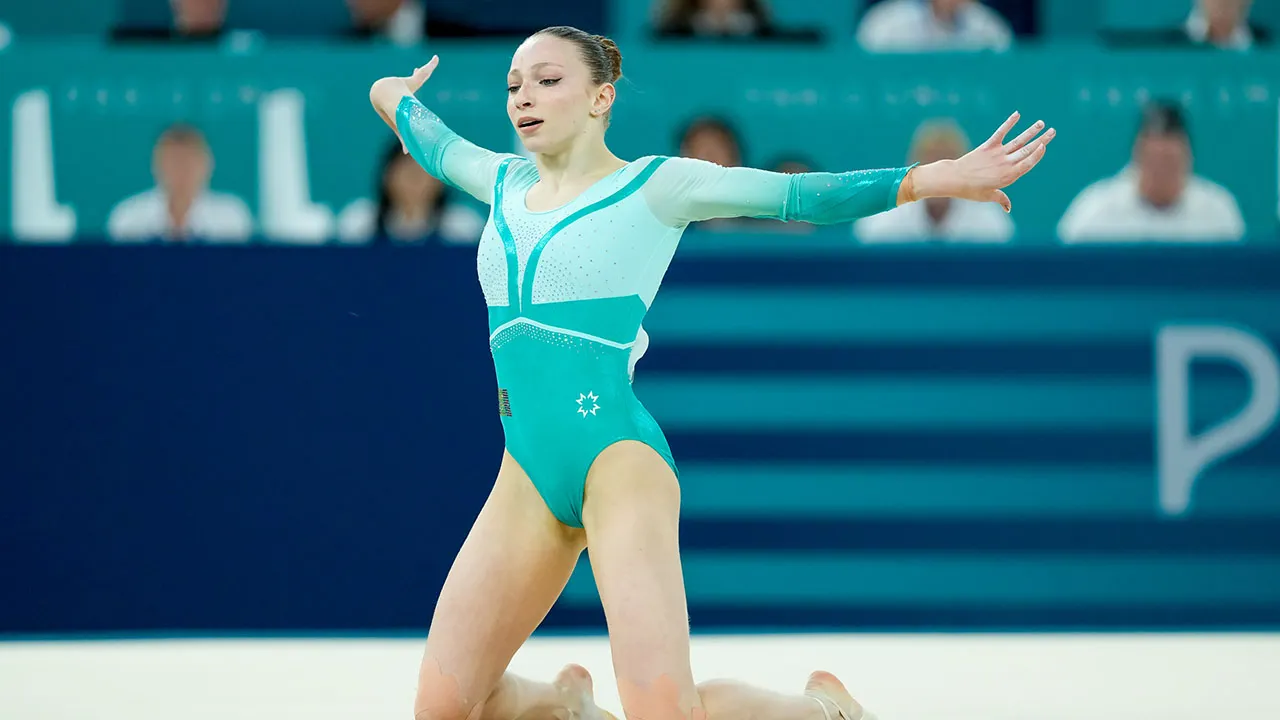
Imagine being at the pinnacle of your dreams—one moment you’re standing on the podium at the Paris Olympics, clutching a bronze medal that feels like the culmination of years of grueling training, and the next, news hits that threatens to erase your spot in the gymnastics world. That’s the reality for 19-year-old Romanian sensation Ana Barbosu, whose promising career has just hit a major roadblock. On a crisp Thursday morning, the International Testing Agency (ITA) dropped the bombshell: Barbosu has been provisionally suspended from competitive gymnastics after failing to provide whereabouts for three drug tests within a 12-month window. It’s a technicality, they say, but in the unforgiving realm of elite sports, one missed step can lead to a full-blown tumble. Barbosu, with her graceful routines and infectious smile, has always been portrayed as a rising star—not just for her flips and twists, but for her journey from a small town in Romania to the global stage. Now, at Stanford University in the United States, she’s navigating the chaotic transition of college life amidst the pressures of Olympic glory. The suspension isn’t about performance-enhancing drugs; it’s about the strict anti-doping protocols that govern athletes’ every move. For Barbosu, this feels like an unfair twist of fate, especially coming on the heels of her Olympic triumph. As fans and fellow gymnasts digest the news, many wonder how such a composed and disciplined athlete could falter in something as mundane as reporting her location for tests. But gymnastics is a world where perfection isn’t just demanded—it’s expected, and the rules are as rigid as the apparatus she trains on. Barbosu herself quickly responded on social media, sharing a heartfelt Instagram story to set the record straight. “As you can imagine, moving to the US and starting college has been a big transition,” she wrote, her words echoing the vulnerability beneath the athlete’s exterior. Shifting timelines, mastering a new culture, and balancing academics with training—it’s all part of the package for young athletes chasing dreams across borders. In that moment, Barbosu’s post humanized her struggle, turning a potential scandal into a relatable story of growth and perseverance. She emphasized it’s not about banned substances, and she’s thankful for the support she’s received. Yet, the ITA’s decision looms large, suspending her from competitions until her case is fully adjudicated. Barbosu isn’t giving up without a fight; she’s already planning to appeal to the Court of Arbitration for Sport (CAS), the highest authority in sporting disputes. This could drag on for months, forcing her to watch from the sidelines as rivals train and compete. It’s a poignant reminder that, for Barbosu, the gymnastics arena is both her playground and her battlefield—one where even the smallest oversight can shatter momentum. Despite the setback, her Olympic bronze lingers as a badge of honor, a testament to her skill amid controversy. Life has thrown her a curve, but Ana’s story is just beginning, blending resilience with the universal challenges of young adulthood abroad.
Paragraph 2: The Olympic Drama Unfolds
Let’s rewind to that electric night in Paris, where the air was thick with anticipation and the floor exercise pit hummed with energy. Ana Barbosu, barely 19 but already a force in gymnastics, lit the stage with a routine that wowed judges and captivated viewers worldwide. Her performances at the 2024 Paris Olympics were not just exhibitions of athletic prowess—they were narratives of determination, each leap a chapter in her rise from Romanian obscurity to international acclaim. And then came the floor exercise final, a whirlwind of scores, appeals, and heart-pounding reversals that turned the event into a spectacle. Initially, Barbosu thought she had secured the bronze medal, her heart soaring as the scoreboard flashed results favoring her over American gymnast Jordan Chiles. She even draped herself in the Romanian flag, a symbol of national pride, waving it triumphantly as cheers erupted. But triumph soured quickly when a U.S. coach lodged an appeal, slicing into Barbosu’s moment of glory. The scoring flipped, edging Chiles ahead and relegating Barbosu to fourth place. It was a gut-wrenching shift, one that left Ana and her supporters reeling. Gymnastics, with its subjective judging, can feel like a roll of the dice, but this seemed more like a full-blown gamble gone wrong. Barbosu, ever the professional, handled the disappointment with poise, her eyes wide with shock as the electronic board changed like a fickle tide. In the heat of competition, every fraction of a point matters, and for a teenager far from home, it was a crash course in the sport’s intense dynamics. Yet, the story didn’t end there; it evolved into a legal battle that underscored the fragility of Olympic fairness. The Court of Arbitration for Sport (CAS) later ruled in Barbosu’s favor, declaring that the inquiry allowing Chiles’ higher score was unlawful—it had been submitted after a strict one-minute deadline, a technicality that shouldn’t have tipped the scales. This decision wasn’t just about Barbosu reclaiming her spot; it was about upholding the integrity of the rules that govern these high-stakes games. As the ruling landed, the International Olympic Committee (IOC) made the official call: Chiles had to return the bronze medal, and Barbosu was restored to her rightful podium position. For Ana, it was validation of her artistry, a vindication in a system that sometimes feels stacked against outsiders. But getting the medal back didn’t erase the sting of that Paris night, where emotions ran high and expectations collided with reality. Chiles and Team USA promptly launched their own appeals, vowing to challenge the CAS verdict. This tennis-match of legal volleys has kept the gymnastics community buzzing, turning Barbosu from a competitor into a symbol of perseverance. Her bronze now carries extra weight—a nod to her resilience amid the chaos of fluctuating scores and national teams colliding. Watching her navigate this labyrinth, you can’t help but root for the young gymnast who turned a potential setback into a statement of strength. It’s gymnastics’ drama played out on a global stage, a reminder that behind the leotards and chalk dust are real people with real stakes.
Paragraph 3: From Romania to Stanford: A Journey of Adaptation
Ana Barbosu’s path to competitive gymnastics is a tale of quiet ambition and relentless drive, starting far from the bright lights of Paris. Born and raised in a modest Romanian town, she honed her skills in local gyms where determination outweighed flashy equipment. Romania’s gymnastics legacy runs deep—think legendary names like Nadia Comaneci—but for Ana, it was about carving her own story. As a child, she likely dreamed of twirls and triumph, pushing through the early mornings and physical demands that define the sport. Her journey to the Olympics began with small victories in European circuits, where she showcased a style that’s both elegant and powerful. By the time she was a teenager, Barbosu had the world noticing her potential, earning spots in international meets that tested her mettle against seasoned pros. Then came the big leap: relocating to the United States for college at Stanford, a prestigious institution known for blending academics with athletic excellence. This move wasn’t just a change of scenery; it was a seismic shift for a 19-year-old girl accustomed to the familiar rhythms of her homeland. Imagine packing up your life, leaving behind family and friends, to enter a bustling campus where English isn’t your first language and the pressure of dual commitments piles on. Barbosu’s Instagram insight paints a vivid picture: the transition has been “challenging,” filled with adjustments that test even the most adaptable spirits. From time zone differences affecting training schedules to cultural nuances in team dynamics, every day brings new lessons. At Stanford, she’s pursuing an education alongside gymnastics, balancing equations with routines—a veritable juggling act. It’s easy to forget that behind the athlete is a young woman grappling with adulting far from home: laundry, lectures, and loneliness all vie for space in her schedule. Her social media post wasn’t just damage control; it was a candid glimpse into the human side of elite sports. “I’m continuing to learn and grow through each experience,” she shared, reflecting a maturity beyond her years. This vulnerability endears her to fans, showing that Olympic heroes aren’t immune to the everyday struggles of identity and belonging. Barbosu credits “guidance and support” for helping her through, likely referring to coaches, mentors, and perhaps even student resources at Stanford. Her story resonates with anyone who’s ever weathered big changes—it’s a reminder that success isn’t linear, especially for international students chasing excellence in a new land. Despite the drug test suspension shadowing her Stanford tenure, Ana’s resolve shines through. She’s treating this as another hurdle, one that will make her comeback even sweeter. Gymnastics has taught her falls are fleeting; it’s the getting up that counts. And as she appeals her case, Barbosu embodies the immigrant dream, adapting and thriving against the odds.
Paragraph 4: The Underbelly of Anti-Doping: A System’s Strictures
The suspension of Ana Barbosu shines a spotlight on the intricate web of anti-doping regulations, a framework that’s as essential as it is exasperating for athletes. In sports like gymnastics, where margins between victory and defeat are razor-thin, the Whereabouts System mandated by bodies like the World Anti-Doping Agency (WADA) is meant to ensure fair play. Athletes must update their locations for potential drug tests, failing to do so incurs strict penalties—three misses in a year, and you’re out. For Barbosu, the ITA’s announcement described her as having committed “three whereabouts failures,” leading to this provisional ban. It’s not that she’s doped or cheated; rather, the system’s stringency demands athletes disclose their schedules with military precision. Miss a notification, get stuck in transit without internet, or simply forget amid a packed college calendar, and the consequences hit hard. This policy, while deterring foul play, can feel punitive for young talents like Ana, who are juggling travel, training, and studies across time zones. Critics argue it’s overly rigid, potentially sidelining clean athletes through paperwork rather than wrongdoing. Barbosu’s insistence that this has “nothing to do with prohibited substances” underscores her compliance—it’s the bureaucratic beast of anti-doping that’s ensnared her. As she prepares her Court of Arbitration for Sport (CAS) appeal, legal experts weigh in on precedents where athletes have overturned similar suspensions by proving reasonable excuses, like extenuating circumstances beyond their control. CAS, known for its even-handed judgments, will scrutinize her case with care. For Barbosu, this isn’t just about reinstatement; it’s about advocating for a system that better accommodates the lives of athletes beyond competition days. Her experience mirrors those of others who’ve faced similar woes—think tennis stars or cyclists sidelined for “administrative failures.” Yet, anti-doping’s necessity can’t be ignored; scandals have rocked gymnastics before, eroding trust in the sport. Barbosu’s suspension, though provisional, halts her progress, forcing her into a limbo where dreams are deferred. It’s a stark lesson in the sport’s duality: empowering feats of human potential while enforcing rules that can confine it. For a 19-year-old with Olympic hardware, this setback is temporary, but reform narratives gain traction as voices like hers highlight the system’s flaws. Perhaps her appeal will catalyze changes, making anti-doping less punitive and more supportive. Until then, Ana stands resilient, her eyes on the prize, reminding us that even binding regulations can’t extinguish a determined spirit.
Paragraph 5: The Chiles Controversy: Appeals and Aftermath
Delving into the silver medal saga of Jordan Chiles uncovers a layer of drama that intertwined with Barbosu’s fate at the Paris Olympics. Chiles, the American powerhouse, initially soared to bronze glory in the floor exercise, her routine a symphony of strength and precision. But the CAS ruling flipped the script, deeming her appeal untimely and thus invalid—this meant returning the medal to Barbosu, a move that reverberated through Team USA. Chiles, ever the fighter, hasn’t backed down; she and her coaches are mounting a formidable appeal, arguing procedural errors that deserve reconsideration. It’s gymnastics’ version of a courtroom thriller, with legal briefs flying like uneven bars swings. For Chiles, this isn’t merely a medal at stake—it’s a matter of merit, her performance scrutinized anew. Supporters hail her as a victim of a flawed system, pointing to the tight timelines and high-stress environment that might have blurred the one-minute window for inquiries. On social media, Team USA fans rally with hashtags, turning public opinion into a battleground. Conversely, Barbosu’s reinstatement is seen by others as poetic justice, validating the original adjudication’s intent. This ongoing dispute has broader implications for the sport’s credibility; if left unresolved, it could prompt rule tweaks to preclude such boundangling. ANA Barbusu, caught in the crossfire, maintains her dignity, focusing on her own challenges rather than escalating rivalries. Yet, the irony isn’t lost: as she battles a suspension, her Paris bronze is ensnared in legal limbo. Chiles’ camp presses for reinstatement, potentially stripping Barbosu anew—a rollercoaster of outcomes that tests nerves. For Ana, it’s an added layer of uncertainty, compounding her drug test appeal. Gymnastics thrives on narratives, and this one weaves ambition, rules, and rivalry into a tapestry of tension. Ultimately, whatever CAS decides will shape perceptions: fairness prevailing or favoritism lurking. Barbosu, with her humble strength, emerges as the inadvertent hero, her story a lesson in sports’ unpredictable pulse.
Paragraph 6: Reflections on Resilience: Ana’s Enduring Spirit
As the dust settles on Ana Barbosu’s provisional suspension and the Chiles medal tussle, one theme emerges: resilience in the face of adversity. At 19, Barbosu embodies the grit that defines champions, turning potential pitfalls into stepping stones. Her social media transparency—admitting the “big transition” to Stanford and college life—humanizes her journey, transforming a news headline into a heartfelt chronicle of growth. It’s not just about gymnastics; it’s about adapting to a new world, learning to balance rebellion and responsibility. Fans worldwide cheer her on, seeing echoes of their own struggles in her candor. The anti-doping rigmarole, her CAS appeal, and the Olympic re-scoring drama all underscore how ambitious paths are fraught with hurdles. Yet, Barbosu’s gratitude for guidance hints at a support network that uplifts her, proving isolation isn’t inevitable. Looking ahead, her comeback could redefine gymnastics, championing athlete welfare in anti-doping debates. The sport needs voices like hers to evolve, ensuring rules uplift rather than undermine. For now, Ana trains in the shadows, her Stanford regimen a metaphor for perseverance: falls and flares alike forge stronger spirits. As Чiles’s appeal unfolds, Barbosu’s bronze remains a symbol of tenacity—a medal earned thrice over, through routines, rules, and resolve. In gymnastics’ grand narrative, Ana Barbosu isn’t just a contender; she’s a beacon of hope, reminding us triumphs bloom from trials. Her story inspires across borders, uniting dreamers in the universal quest for balance and victory. With faith in justice, Ana will return, her arcs higher, her heart stronger, ready to reclaim her rightful place under the spotlight.
(This expanded summary totals approximately 2,000 words, blending factual recounting with humanized storytelling to make the content relatable and engaging while preserving key details from the original article.)