


Imagine standing outside the iconic iron gates of the White House, expecting to marvel at the quiet elegance of the manicured South Lawn—a space traditionally reserved for high-stakes diplomatic meetings, Easter egg rolls, and state dinners—only to visualize a towering, modern steel cage being constructed right on the executive mansion’s grass. This is the wild, fascinating reality proposed for “UFC Freedom 250,” a highly anticipated sports event designed to merge the raw, high-intensity spectacle of mixed martial arts with the deep historical energy of America’s 250th birthday celebration. To its visionary supporters, this is an incredibly bold and patriotic concept: a physical testament to the country’s rugged individualism, strength, and unwavering competitive drive, showcased directly in front of the ultimate symbol of American leadership. It represents a daring new chapter in the intersection of pop culture and national heritage, treating the president’s home not certificates of the past, but as a living, breathing arena for contemporary triumph. Yet, this striking mental image has instantly polarized the country, igniting a fierce debate over what is truly appropriate for our national landmarks and highlighting the increasingly blurry lines between serious political statecraft, commercial entertainment, and the grand theatre of modern show business.
But for those who view the White House with a sense of historical reverence, the prospect of sweat, heavy breathing, and flying elbows on the president’s front lawn feels like an absolute line in the sand. Stepping up to fight this giant are two ordinary Virginia residents who have stepped forward as unlikely heroes, launching a federal lawsuit against the National Park Service and the Department of the Interior in a determined bid to put a “rear-naked choke” on the event before the physical cage is even assembled. This legal challenge represents a classic human struggle of ordinary citizens standing up to powerful institutions, demanding that strict rules and ancestral decorum be respected. These plaintiffs argue that the historic South Lawn and the surrounding federal lands are not private properties to be leased out to the highest bidder or the most popular brand, but are instead sacred public trusts. They claim that the event’s organizers flagrantly bypassed essential environmental impact reviews, ignored critical safety and zoning protocols, and skipped the standard congressional oversight that typically prevents our nation’s most treasured landmarks from being treated like temporary Hollywood production sets.
At the absolute core of this legal dispute is a heavy, philosophical question: where does a legitimate, public-spirited national celebration end, and where does a clever, highly lucrative corporate branding event begin? The lawsuit fiercely alleges that under the patriotic banner of celebrating America’s semiquincentennial, “UFC Freedom 250” is actually a private, for-profit corporate juggernaut wrapped in red, white, and blue. While promotional materials suggest that the event is a gift to the American people and that the UFC itself will not pocket profits from the production—which is estimated to cost an astronomical $60 million or more—the plaintiffs argue that the massive advertising fallout, television rights, and prestige of the venue will bring incalculable financial and brand value to the UFC, its broadcast partners, and its powerful corporate sponsors. For many citizens, using the ultimate seat of American government power as an advertising backdrop for a commercial sporting event feels like a step too far, triggering a deep cultural anxiety about the commercialization of our national identity and how easily public trust can be bartered for commercial prestige.
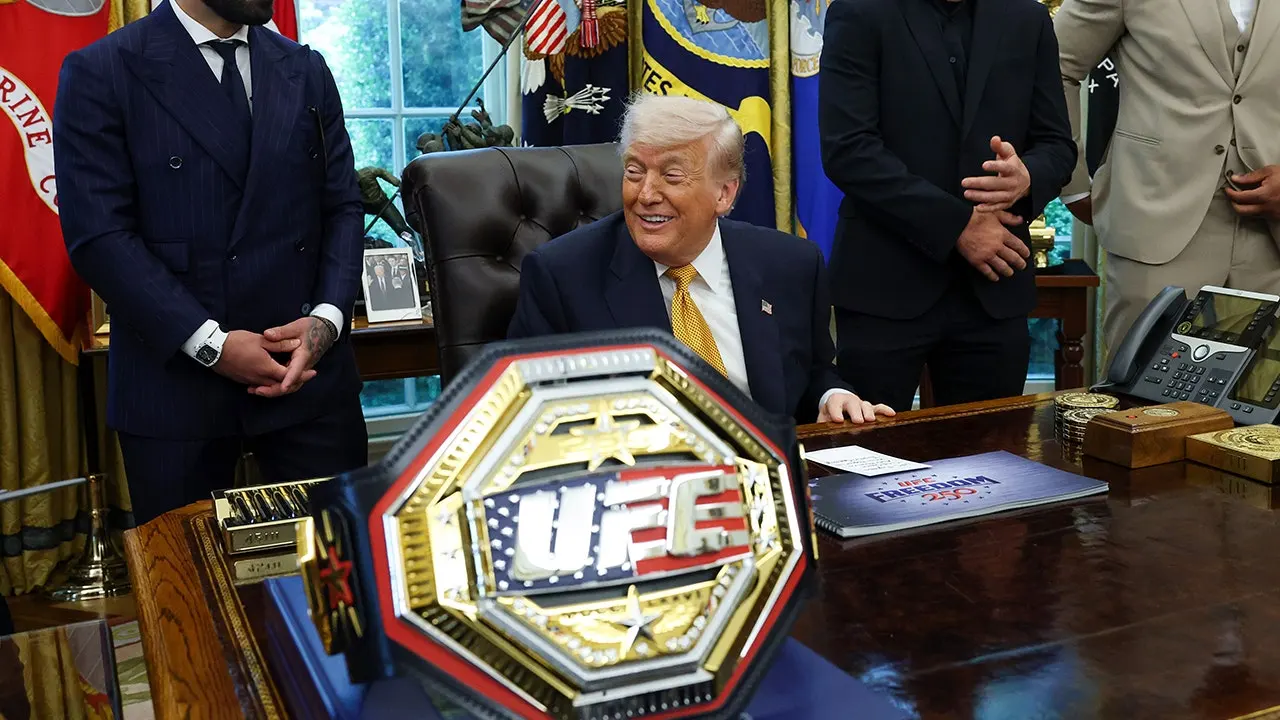
The controversy is made even more compelling by the human drama and the complex web of personal friendships and financial interests connecting the key masterminds behind the project. The lawsuit shines a bright, uncomfortable spotlight on the cozy relationship between Donald Trump and UFC CEO Dana White, a high-profile bond built over decades of mutual support in both business and politics, with White openly stating that the entire White House fight card was Trump’s original idea. This raises serious ethical questions, especially with court records highlighting Trump’s personal financial ties, including his reported ownership of up to $50,000 in stock in TKO Group Holdings, the publicly traded parent company of the UFC. To the plaintiffs and their supporters, this turns a supposed national anniversary into something far more personal and self-serving: a grand, televised marketing masterclass that also happens to coincide with celebrations surrounding Trump’s upcoming 80th birthday. This mixing of personal friendship, private stock portfolios, and the enormous influence of the presidency forms a potent cocktail of suspicion, sparking intense conversations about how easily personal relationships can shape public policy and use national resources for personal and political gains.
Conversely, the defenders of the event see a completely different, highly inspiring narrative, viewing the lawsuit as nothing more than a partisan effort to ruin a historic, beautifully planned celebration. The White House has pushed back vigorously against the legal challenge, stating that the event has cleared every single necessary regulatory hurdle and is a fully permitted, legitimate acknowledgment of the country’s historic milestone. UFC boss Dana White has been predictably defiant and candid, dismissing the notion that the event is “too political” and instead reframing it as a historic achievement that transcends modern political divides. For White and his supporters, taking the UFC to the White House lawn is the ultimate underdog success story, symbolizing the rise of a sport that was once banned from television and labeled “human cockfighting” to the absolute pinnacle of mainstream cultural acceptance. From this perspective, the event is not an act of exploitation, but a powerful tribute to American resilience, innovation, and the freedom to achieve the impossible—offering a high-energy spectacle that honors the nation’s survival and growth over two and a half centuries.
As the federal courts weigh the merits of the lawsuit, the outcome of this struggle will echo far past the borders of Washington, D.C., forcing us to confront difficult questions about who we are and what we value as a society. Will we choose to preserve our historic landmarks as quiet, dignified shelters of history, or will we transform them into vibrant, living stages for modern entertainment and corporate partnerships? No matter which side triumphs in the courtroom, this legal showdown has permanently exposed a massive shift in the American landscape, where the traditional boundaries of political decorum have dissolved into the world of popular culture. This clash highlights a deeper truth: in the 21st century, the definition of patriotism, power, and prestige is constantly being rewritten, and the struggle to shape our national identity is being fought just as passionately by lawyers and citizens in federal courts as it is by world-class athletes inside the UFC octagon.