


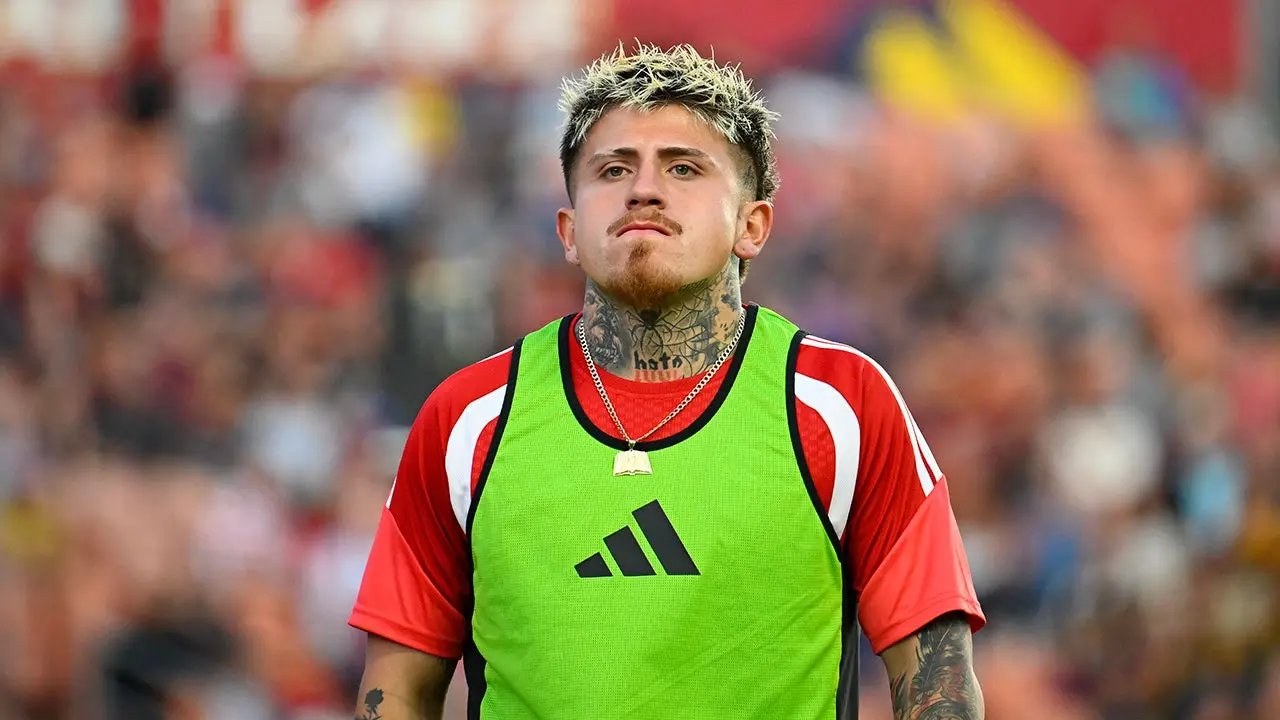
The Pier 17 pavilion in Manhattan is known for its sweeping views of the East River and the iconic Brooklyn Bridge, but on a hot afternoon, it served as the backdrop for one of the most polarizing announcements in modern American soccer history. As the United States Men’s National Team unveiled its highly anticipated 26-man roster for the 2026 FIFA World Cup—a historic tournament played on home soil—the atmosphere shifted from celebration to disbelief. When manager Mauricio Pochettino’s selections were officially read aloud, the collective gasp of the soccer community was palpable: Diego Luna, the charismatic young midfielder who had captured the hearts of fans across the nation, was not on the list. For weeks, leaked reports over Memorial Day Weekend had hinted at this omission, but seeing the finality of the decision play out on the glittering stage in New York felt like a sudden, chilly reality check. For Luna, a player who had spent the last two years cementing himself as the creative heartbeat and undisputed poster boy of this new generation of American talent, the dream of representing his country on the world’s biggest stage had evaporated in an instant, leaving fans and analysts demanding answers.
The shock of Luna’s omission was magnified by the massive, multi-faceted corporate media campaigns that had practically guaranteed his presence in the squad. In the months leading up to the roster release, corporate giants had elevated Luna to the status of a national icon, plastering his face on billboards and television screens from coast to coast. He was the undisputed focal point of Nike’s highly publicized kit launch, showcasing the vibrant new jerseys the Stars and Stripes would wear during the home tournament. The marketing campaign had gone viral, propelled by Luna’s own magnetic personality and a poignant Instagram post where he wore the national colors alongside the caption, “They never plan for the wild card. Espera lo inesperado”—expect the unexpected. Beyond the sportswear giant, he was featured in prime-time Head & Shoulders commercials and was selected by Panini as one of the hallmark players for their official World Cup sticker collection. There is a profound, almost tragic irony in the modern sports landscape when the marketing machine outpaces the cold reality of tactical sports management, leaving a young athlete immortalized on merchandise and promotional materials for a tournament they are ultimately forced to watch from the sidelines.
To understand why this decision cut so deep for the American fanbase, one must look at the unique emotional connection Luna forged with the public. Known affectionately as the “wild card” for his unpredictable, street-style creativity on the ball, Luna represented a refreshing departure from the highly structured, almost mechanical players the U.S. developmental system often produces. As a dual-national who proudly chose to represent the United States over Mexico, he symbolized the rich cultural diversity and evolving identity of American soccer. His breakout performance during the 2025 Gold Cup run captured the national imagination, turning him into an overnight hero who played with a visible joy and passion that resonated deeply with everyday fans. Statistically, his inclusion seemed like a foregone conclusion; he was not merely a media darling, but an incredibly productive asset on the pitch, appearing in 17 of the team’s 18 matches in 2025 while racking up four crucial goals and three assists. For a fan favorite who had poured his soul into the national jersey and proven his worth in competitive matches, being cast aside felt like a betrayal of the organic growth and meritocracy that fans want to believe governs the beautiful game.
However, the realities of international soccer are governed not by marketing metrics or fan sentiment, but by the strict tactical philosophies of elite managers, and Mauricio Pochettino made it clear from day one that reputation meant nothing to him. Managing his first World Cup cycle with the USMNT, the veteran tactical mind had dropped a quiet but firm warning to his squad as early as March, warning players that commercial obligations should never be confused with sporting guarantees. “The players that today are on the roster, they cannot think they are going to be in the final roster,” Pochettino had cautioned, noting that promotional events and marketing photoshoots in Atlanta were simply commercial necessities of the modern game, completely detached from his final sporting decisions. This pragmatic, often ruthless approach is the hallmark of Pochettino’s managerial career, which was forged in the high-pressure environments of the English Premier League and Ligue 1. For a manager tasked with leading the host nation to a deep run in the tournament, emotional narratives take a backseat to tactical discipline, physical pressing capabilities, and system compatibility, proving that in elite sports, a player’s standing in the coach’s notebook is the only index that truly matters.
While tactical preferences certainly played a major role, the cruel element of timing and physical misfortune also conspired against the young Real Salt Lake star. During the pivotal international window in March—a critical period where Pochettino was actively installing his tactical blueprint and establishing core team chemistry—Luna suffered a frustrating knee injury that sidelined him from national team duties. Although his recoverability was impressive, allowing him to return to club play for Real Salt Lake where he started six of his next seven matches and played substantial, high-intensity minutes, the temporary absence cost him something far more valuable than physical fitness: face-to-face evaluation time with a demanding new head coach. In the hyper-competitive world of international soccer, missing a single window when a new manager is laying their foundations can create an insurmountable gap, as other players seize the opportunity to prove their reliability. For Luna, who did everything within his power to recover, rebuild his match fitness, and perform at a high level domestically, it was a heartbreaking reminder of how fragile an athletic career can be, and how a minor setback at the worst possible moment can alter the trajectory of a lifetime.
With Luna officially out of the picture, the spotlight shifts entirely to the tactical alternative that Pochettino chose to trust, most notably Gio Reyna, the 23-year-old creative midfielder from Borussia Mönchengladbach. Reyna’s inclusion over Luna represents a classic footballing debate of pedigree versus current domestic form. While Luna was dominating the domestic MLS landscape, Reyna was cut and polished in the demanding, high-stakes environments of European club football, a factor that carries massive weight in Pochettino’s eyes. Reyna’s longer track record with the national team, combined with his experience playing in the Champions League and Bundesliga, offered a level of tactical maturity and proven international caliber that ultimately tipped the scales in his favor. As the USMNT prepares to step onto the pitch in front of millions of passionate home fans, the decision to leave the beloved “wild card” behind will remain one of the defining storylines of the tournament’s buildup. For Diego Luna, this devastating setback is surely not the end of his international career, but rather a trial by fire—a poignant reminder that in the theater of international sports, the official path to glory is rarely linear, and the true test of a wild card is how they bounce back when the world expects them to fade away.