



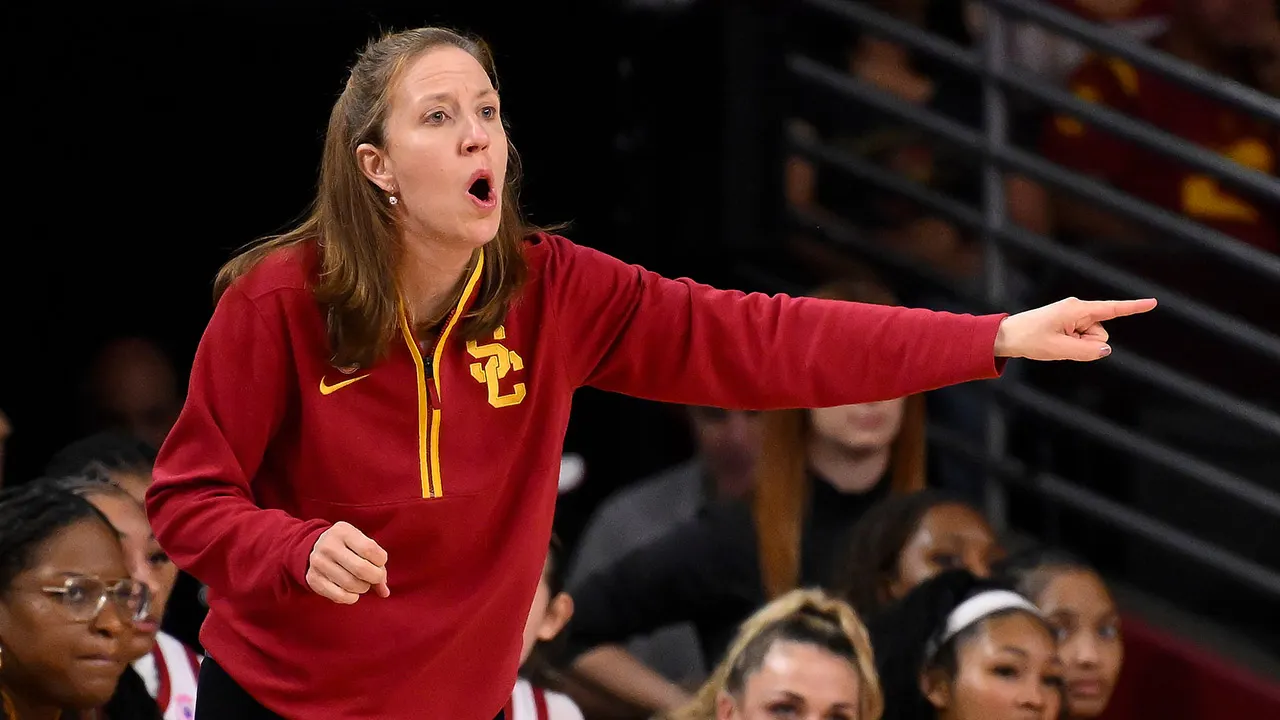
USC Coach Lindsay Gottlieb Addresses Brown University Shooting: A Personal Plea for Change
In a heartfelt moment that transcended basketball, USC Trojans women’s basketball head coach Lindsay Gottlieb used her postgame press conference to speak out about the shooting at Brown University, her alma mater. Following the Trojans’ 79-51 loss to UConn, Gottlieb shifted attention to the tragedy that claimed two lives and left nine others wounded in Providence, Rhode Island. Her words weren’t just those of a concerned citizen but came from someone with personal connections to the Brown community, including teammates whose children were currently at the university during the frightening ordeal.
“It doesn’t need to be this way,” Gottlieb stated with evident emotion, addressing the all-too-familiar pattern of gun violence in America. She spoke of a teammate whose daughter was hiding in a library basement during the active threat, a parent who would be flying to Rhode Island the next day, uncertain of what she would find. This intimate connection to the tragedy gave Gottlieb’s comments particular weight as she articulated what many Americans feel after each mass shooting: “We’re the only country that lives this way.” Her decision to begin her press conference with this statement rather than basketball analysis highlighted how deeply the shooting had affected her, prioritizing human safety over athletic competition.
The investigation into the Brown University shooting remained in flux at the time of Gottlieb’s comments, with authorities later announcing that a person of interest had been taken into custody but subsequently released. Providence police confirmed that the investigation was “ongoing and remains fully active between all agencies,” noting that no specific threats to the community had been received since the initial 911 call. This uncertainty likely contributed to the anxiety felt by those with connections to Brown, including the teammate Gottlieb mentioned who was dealing with the terrifying reality of having a child in potential danger.
Gottlieb’s comments reflect a growing frustration among many Americans who see gun violence as a uniquely persistent American problem that continues despite repeated tragedies. By stating plainly, “It’s the guns,” she joined the voices of those who believe that access to firearms is the primary factor distinguishing America’s experience with mass violence from that of other nations. Her observation that “Parents should not be worried about their kid” at school or university speaks to a fundamental expectation of safety that many feel has been compromised by the recurring pattern of shootings in educational settings across the country.
The coach’s decision to speak out carried particular significance given her position of influence. As someone who has accumulated a strong coaching record at USC (100-39 since taking over in the 2021-22 season) after previous successful tenures at UC Santa Barbara and Cal, Gottlieb has a platform that extends beyond basketball. Her willingness to use that platform to address gun violence demonstrates how sports figures increasingly recognize their ability—and perhaps responsibility—to engage with critical social issues. Rather than separating athletics from larger societal concerns, Gottlieb integrated them, suggesting that even in the competitive world of college basketball, human safety and well-being must take precedence.
In the aftermath of this tragedy, communities beyond Brown University also showed their support for the victims. The New England Patriots, for instance, paid tribute to those affected by both the Brown University shooting and an unrelated terror attack in Australia. This broader response indicates how such incidents ripple through society, touching people far removed from the immediate vicinity of the violence. Gottlieb’s comments, in this context, represent not just her personal response but part of a larger collective reckoning with gun violence—a reckoning that continues with each new incident, prompting questions about what meaningful changes might prevent future tragedies and spare other communities, other parents, and other coaches from having to express similar sentiments in the future.