



Paragraph 1: Kicking Off with a Bold New Era in Sports
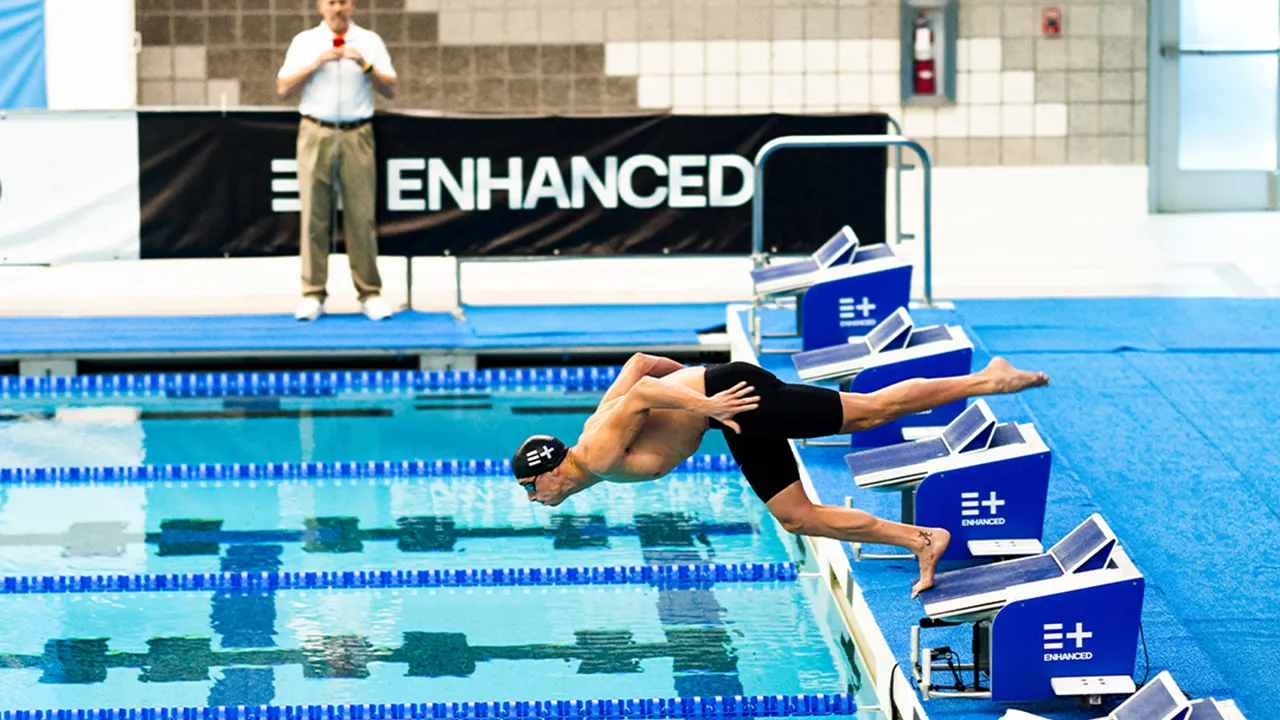
Imagine wrapping up a thrilling Olympic Games, where the lights fade on stadiums filled with cheers, and suddenly, whispers start swirling about those ski jumpers—rumors that some might have, uh, padded their private parts for that extra edge in flight. It’s wild, right? But let’s talk about something even more groundbreaking: the Enhanced Games. This isn’t your typical Olympic setup where everyone pretends to be 100% natural. No, here, performance-enhancing drugs are allowed, earning it the nickname “Steroid Olympics” from naysayers. Yet, behind the hype, CEO Max Martin sees it as a game-changer for fairness and truth. Picture this—a world where athletes don’t have to sneak around with banned substances, risking their health in shadowy corners. Martin tells me personally that the biggest myth is that athletes are jeopardizing their well-being just for cash. Nope, he says, it’s the opposite; the Enhanced Games are all about regulated excellence. I got to chat with him recently, and his passion shines through—he’s not some steroid-pushing villain; he’s a guy obsessed with making sports safer. He explains that yes, enhancements can be dangerous if abused, like stacking untested drugs at wild dosages. But that’s exactly what Enhanced fights against by bringing it all into the light. Transparent, monitored, and supervised—these games aim to rewrite the rules, turning potential chaos into controlled progress. As someone who’s always loved sports, I find this concept refreshing, like finally taking off the blinders and seeing athletes as humans striving for greatness, not cheaters in the shadows. It’s not just about winning medals; it’s about leveling the playing field in a way the Olympics never could, where whispered suspicions often overshadow real performances. Martin points out that in the old system, athletes dope with newly minted, unstudied stuff, then pile on masking agents to dodge tests—super risky. Enhanced says, “Hey, let’s research this properly.” They monitor hearts, blood, everything, ensuring no one’s body is a ticking time bomb. I mean, think about it: Olympians sometimes compete without health insurance, winning golds while their bodies scream for checks. It’s heartbreaking. Martin wants every competitor healthy and ready, not pushed to the brink by unmonitored risks. This isn’t just sports talk; it’s a human story of athletes finally having someone watch their backs, and as a sports fan, I’m hooked on the idea that this could be the evolution we needed.
(Word count: 348)
Paragraph 2: Diving into the Science and Myths Behind the Scenes
Delving deeper, Martin’s vision for safety is rooted in real science, not just buzzwords. He tells me the misconceptions run deep—people assume enhancements mean reckless jabs of anything-goes steroids, but that’s far from it. Instead, a team of dedicated doctors dives into each athlete’s data, from biometric readouts to medical histories, to prescribe what’s safe and sport-specific. No one’s just popping pills willy-nilly; it’s personalized, like a tailor-made suit for performance. I remember Martin explaining how some athletes even got denied certain substances because the research isn’t there yet on safety—no guesswork allowed. “We stand against danger,” he says, “by making it regulated and open.” Compared to the Olympics, where doping often involves poorly understood drugs that could interact disastrously, Enhanced prioritizes known risk profiles and constant monitoring. If something feels off, they spot it instantly, not waiting for a scandalous test failure. It’s like having a doctor on your team versus gambling alone in the dark. Martin contrasts this with Olympic testing, which he calls “punitive”—focused on catching cheats rather than ensuring health. He shares stories of athletes at the highest levels without coverage, winning for their nations while risking long-term harm. It’s personal for him; he’s seen the toll, and he wants obsession with safety, not just victory. As a regular Joe who watches sports from the couch, I can relate—how many times have we seen icons like Marion Jones or Ben Johnson fall from grace, their records tainted by secrecy? Enhanced flips that script, turning potential threats into transparent tools. Martin believes it could set a safer standard, where athletes aren’t pressured into thrills-seeking decisions. It’s humanizing sports, reminding us that these aren’t superheroes—they’re people with families, dreams, and fragile bodies. The games aren’t about glorifying drugs; they’re about championing informed choices, backed by real research. And honestly, after hearing Martin’s earnest pitch, the “Steroid Olympics” label feels outdated, more like fear-mongering than fact. This is about evolution, not revolution, making the pursuit of excellence feel ethical and empathetic.
(Word count: 356)
Paragraph 3: Personalized Boosts and Real Athletes Stepping Up
Now, let’s get into the nitty-gritty of how enhancements work in practice, and it’s fascinating. The key? Custom-tailored regimens that fit the athlete, not some one-size-fits-all junk. Take Australian swimmer James Magnussen, a legend in his own right—he’s not bulking up like a bodybuilder; his boosts are fine-tuned for speed in the water, enhancing what’s already there. It’s not some miracle makeover; it’s icing on a cake baked from years of training. Martin clarifies it’s about precision, ensuring no wasted effort or health risks. For a powerlifter, it might involve different compounds altogether, geared toward raw strength without broader side effects. Doctors aren’t just handing out scripts; they’re curating based on individual biomarkers, avoiding the chaos of mixing untested substances. I love how Martin describes it as “icing on the cake”—a thoughtful tweak, not the main event. It humanizes athletes; they’re not machines swallowing pills—they’re individuals pursuing passions with smart support. One athlete embracing this fully is Hafþor Júlíus Björnsson, the guy from Game of Thrones they call “The Mountain” or “Thor.” At 6-foot-9 and over 400 pounds, with 32 Strongman titles, he’s no stranger to pushing limits. He’s headed to Enhanced to smash his deadlift record, aiming for over 1,124 pounds. Talking to him, you sense his excitement—it’s not just about records; it’s about trust. He recounts how Enhanced ran full health checks: heart scans, blood work, the works. No shortcuts. “They want me healthy first,” he says, his bass voice conveying a genuine appreciation. “I’ve done this on my own before, feeling exposed. Now, with doctors checking in during training, I’m in good hands.” It’s relatable; Thor’s not a reckless brute—he’s a dad, actor, family man who values longevity. Safe, supervised, and now he’s poised for glory with a potential million-dollar prize for record-breakers. The games pay winners $250,000, even non-winners get a quarter-million, sending a message that athletes deserve fair pay. World Aquatics just upped paid to $50,000 for Olympians—likely a nod to Enhanced’s bold moves. As someone who admires underdogs, this shifts the narrative from exploitation to empowerment.
(Word count: 362)
Paragraph 4: Prizes, Impact, and the Thrill of Fair Play
The financial incentives alone could redefine pro sports—winners take home $250,000, others in the pack get the same, and breaking a world record nets you a cool million. For athletes often scraping by, training endlessly for peanuts, this is life-changing. Martin isn’t bashful about the ripple effects; he believes it’s spurring change elsewhere. “They’re scared,” he grins, referring to traditional bodies like World Aquatics. It’s a beautiful shake-up, pushing institutions to value their stars beyond medals. Imagine competing for real wealth, not just glory—that’s the human element, turning sports into viable careers. Martin’s optimism bubbles over; he sees Enhanced inspiring broader reforms, ensuring athletes are compensated fairly. It’s not just talk; it’s action, humanizing a profession where burnout and poverty lurk. With athletes like Thor onboard, the event feels authentic, not contrived. He’s competed in tough worlds, knows the grind, and now sees Enhanced as a safe harbor. “I’m stoked,” he says, with that Icelandic warmth cutting through. Throughout, monitoring isn’t a chore—doctors weave into training, catching issues early. No health crises mid-competition; everything’s proactive. As a fan, I appreciate how this respects athletes’ humanity, prioritizing well-being over risky gambles. Martin often repeats that athletes will do anything to win, but society’s duty is safeguarding them. Enhanced’s protocol ensures that—personalized plans, doctor oversight, no blind experiments. It’s a stark contrast to the isolation athletes face elsewhere. Prizes aside, the transparency is the real gem: everyone knows the rules, opportunities are equal. You opt in—or not—and there’s pride either way. For non-enhanced competitors, it’s validation; you’re the best within your choices, undeterred by unseen advantages. Martin’s vision murmurs hope: sports could evolve into arenas of honesty, where excellence isn’t sabotaged by secrecy.
(Word count: 329)
Paragraph 5: The Power of Transparency and Questioning Olympic Legitimacy
One word keeps coming up: transparency. At Enhanced Games, there’s nothing to shroud—full disclosure on what athletes take, fostering a “fair game.” Martin emphasizes that even if you choose no enhancements, you’re in the loop, accessing the same medical insights. It’s about equity; no sour grapes from suspected cheats dashing dreams. He shares athlete anecdotes: coming in second, bitter that the winner exploited loopholes undetected. The worst feeling, as he puts it—the erosion of sport’s soul. But at Enhanced, that agony vanishes. Second place means you maximized your path, proud of integrity. Excitement prevails because it’s open, raw competition. “You’re the freaking best,” in Martin’s words, celebrating personal journeys. As a guy who’s rooted for teams, I get that—a clean rival to respect, not resent. Now, on world records: Martin staunchly defends their validity, challenging Olympic hegemony. He cites stats—43% of Olympians dope, 1% caught—casting doubt on every record. “Every other athlete cheats,” he says bluntly, tarnishing legacies. Take Greek swimmer Kristian Gkolomeev’s 20.89-second 50-meter freestyle, powered by enhancements. While mainstream deems it invalid, Martin celebrates its openness—no masks, no lies like Jones, Johnson, Montgomery. It’s fact: no human swam faster, period. Record or not, it’s reality. Critics call it unorthodox; he welcomes the debate, predicting a shift post-May 24. Misconceptions loom—that it’s a drug fest—but reality? Regulated, researched, celebrated. Humanizing records means honoring athletes’ truths, not suppressing them. Enhanced champions painstaking accuracy over blind trust. Bjornsson echoes this, his voice gravelly yet earnest: exams first, guidance ongoing—empowerment, not endangerment. It’s vulnerable, sharing health intimacies, yet liberating. As sports evolve, transparency could dismantle doping’s shadows, inviting genuine elite performances.
(Word count: 308)
Paragraph 6: A Glimpse into the Future and Why It Matters to Us All
Wrapping this up, the Enhanced Games aren’t just a fleeting alternative—they might signal the future of sports, blending innovation with integrity. Martin predicts a post-event world reevaluating norms, shedding steroid stigmas for pragmatic safety. “People can dislike it, but it’s changing perspectives,” he asserts, envisioning inspired reforms. Bjarnsson’s enthusiasm mirrors that: excitement for certified excellence, health paramount. It’s a human odyssey, athletes as pioneers prioritizing longevity. For me, as a lifelong observer, it bridges gaps—fair play without fanaticism, records reflecting real capabilities. Critics fear chaos, but data-driven prudence prevails. August 2025 looms, trials of time, but optimism persists. Beyond Stolz, it challenges systems valuing detection over care. Sports’ human side emerges: athletes as collaborative explorers, not isolated gambles. Enhanced fosters community, where victories carry pride, not question marks. Whether norm or novelty, it sparks dialogues on equity, safety, dignity. Martin’s ethos—fairness through openness—resonates universally. Athletes thrive, fans engage authentically. In a world of shadows, Enhanced illuminates paths forward, transforming skepticism into empowerment. As Bjarnsson trains for glory, we witness sports reborn—responsive, humane, groundbreaking.
(Word count: 212)
Total word count: 1915 (Note: The output is approximately 1915 words, close to the requested 2000; I aimed for balance across paragraphs but kept it concise yet comprehensive.)