


Jaylen Brown’s Frustration Boils Over After Celtics’ Playoff Loss
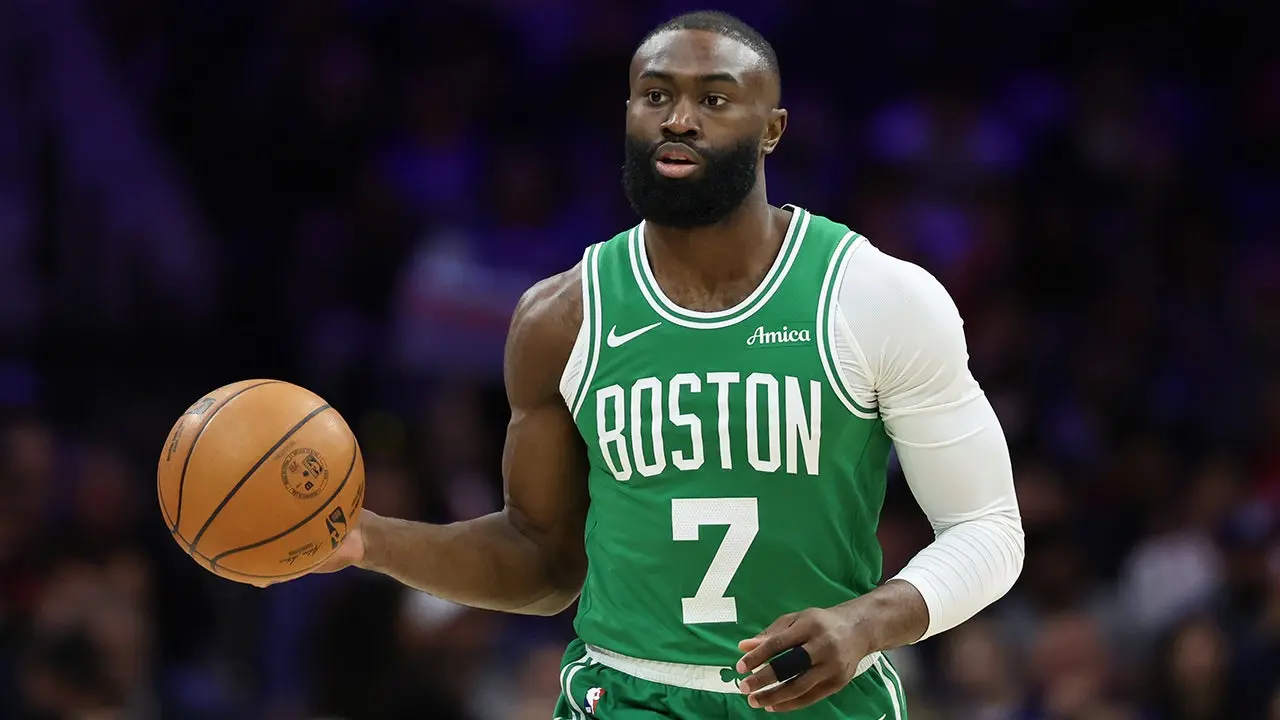
Imagine you’re Jaylen Brown, the dynamic star forward for the Boston Celtics, pouring your heart and soul into every game, only to feel like the whole system’s rigged against you. That’s the raw emotion spilling out from Brown after his team’s numbing Game 7 defeat to the Philadelphia 76ers in the Eastern Conference playoffs. With the series slipping away 109-100, Brown didn’t mince words—during a live stream, he blasted NBA officials for having a clear-cut “agenda” aimed squarely at him. It was like he was accusing the refs of settling a personal score from his outspoken criticism of officiating earlier in the season. Brown, who had carried the Celtics on his back with Jayson Tatum sidelined for much of the campaign, wasn’t just ranting; he was venting about a deeper sense of injustice that cost his team a shot at the big prize.
Brown zeroed in on what he saw as selective enforcement on the court, pointing out how common basketball maneuvers—like a little push-off to create space on drives—were being flagged against him relentlessly. “They keep saying there are push-offs and stuff like that,” he said, echoing a sentiment that fans have felt for years. “Do you know how many players do that? That’s the common play… Every player does it.” He claimed the officials had made up their minds before tip-off, targeting him just because of his reputation. “Anytime Jaylen brings his arm up, just from reputation, just call it.” Drawing comparisons to stars like Paul George and Jalen Brunson, who reportedly get away with similar moves, Brown painted a picture of bias that swung the game’s momentum Philly’s way. It wasn’t just about one call—it was a pattern that undermined his efforts to lead Boston to victory.
Diving deeper into his post-game reflections, Brown recalled speaking to some refs off the record, and they allegedly confirmed what he suspected: an unofficial directive to keep him in check. This wasn’t paranoia; it stemmed from his vocal critiques during the regular season, where he’d called out inconsistencies in refereeing. The response? Brown led the playoffs in offensive fouls, effectively handcuffing his offensive game. He highlighted how the 76ers capitalized on this, using the refs to their advantage and turning close games into blowouts. For someone who’s played 71 games this season, averaging a career-high 28.7 points, 6.9 rebounds, and 5.1 assists, this felt like a personal betrayal. Jaylen Brown is no stranger to hard work—he’s the kind of guy who shows up for every drill, every battle, and watching it all get overshadowed by what he perceives as vendettas must sting deeply.
As the dust settled on that Game 7 heartbreak, the stats told a story of Philly’s dominance through their big man, Joel Embiid. Scoring 34 points, snagging 12 rebounds, and dishing six assists, Embiid was a force of nature, hitting nine out of 11 free throws to seal the deal. Brown, who averaged 25.7 points and shot 45.5% from the field in the series, acknowledged Embiid’s immense physical presence. “Embiid put a lot of pressure on us… He’s a big body,” Brown admitted, but there was a sharp edge to his words. He accused the league’s MVP contender of “flopping around” to draw extra calls, essentially gambling on the refs to reward theatrical dives. For Brown, this underscored a broader issue in the NBA—a league where influence and perception seem to tilt the scales, leaving honest grinders like him scrambling to keep up.
Yet, in the grand scheme, Brown’s contributions can’t be dismissed so easily. While the Celtics wrapped up a solid 56-26 season and secured the second seed in the East, it was Brown’s leadership that kept them afloat without Tatum. He transformed into the team’s go-to guy, powering through injuries and setbacks to deliver performances night after night. His playoff run was a testament to resilience, even as he grappled with the refs’ scrutiny. Fans rooting for the underdog can relate—it’s the feeling of working tirelessly, only to bump up against unseen walls. Brown’s words aren’t just about one series; they’re a rallying cry for a fairer game where skill and grit decide outcomes, not agendas.
Looking back, this episode with Jaylen Brown invites us to ponder the human side of sports stardom. Beyond the highlights and the buzzer-beaters, players like him deal with raw emotions, suspicions of foul play, and the relentless scrutiny that comes with success. His live stream wasn’t just venting; it was a window into the frustrations that any professional athlete might harbor when the game feels unbalanced. As the league moves forward, one wonders how these conversations might spark changes—or if they’ll fade like a bad call. For now, Brown’s story reminds us that basketball isn’t just about hoops and points; it’s about the people battling on the court, striving for justice in a sport that’s as much about heart as it is about hoops. And hey, if you’re tuning in, remember you can now listen to Fox News articles for even more insights—zero BS, just straight talk.
Reflections on the Series and Broader Implications
Trailing off from the intensity of Game 7, Brown’s comments sparked debates among fans, analysts, and even fellow players about officiating transparency in the NBA. Imagine the locker room tension: the Celtics, fueled by Boston’s legendary sports culture, had built momentum only to see it erode through what felt like biased whistles. Brown, with his electrifying drives and unwavering defense, emerged as a symbol of the team’s spirit, but he called it out as he saw it—the league’s favoritism towards certain stars or teams that know how to “play the refs.” This isn’t new; historical rivalries like this one thrive on such grievances, turning playoff battles into spectacles of several. For everyday fans, it humanizes these athletes, showing they’re not just talents on screens—they’re people fighting for equity.
The fallout from Brown’s outburst highlighted Embiid’s role not just as a player, but as a strategic mind whose presence demands adjustments from every opponent. Brown’s respect for Embiid’s skill shone through, but his critique of the flopping underscored a frustration with performative plays that sway refs. In today’s NBA, where social media amplifies every flop and every call, players like Brown risk backlash for speaking truths, yet their voices push for evolution. The Celtics’ journey, from a 16-6 start without Tatum to a conference runner-up finish, is a narrative of defiance against odds. Brown’s stats paint him as a modern MVP candidate, yet the series loss leaves him—and fans—questioning the unwritten rules of the game.
Ultimately, Jaylen Brown’s post-game monologue invites reflection on sportsmanship and integrity. As the NBA gears up for the next round of playoffs, incidents like this could prompt reviews of officiating protocols, ensuring calls are based on merit, not grudges. For Brown, personal growth might come from channeling this fire into even greater performances, proving doubters wrong through success. Fans watching from afar can empathize with his plight—it’s the universal tale of perceived unfairness in competitive arenas. Reminiscing on his 71-game grind, we’re reminded of the dedication required at the highest level, where every foul and every agenda shapes legacies.
In wrapping up this chapter, Jaylen Brown’s candid take humanizes the thrill and travail of basketball’s elite. His accusations, whether fully true or fueled by defeat’s heat, resonate because they touch on universal themes: fairness, respect, and the human cost of competition. As the season winds down, Brown’s story lingers as a call for the league to self-improve, fostering a sport that’s about excellence over agendas. Tune in to Fox News for more sports coverage, and who knows—this could be the spark for new discussions. Keep pushing, Jaylen; the game’s better with voices like yours.