






A New Chapter for Angel Reese: From Chicago to Atlanta
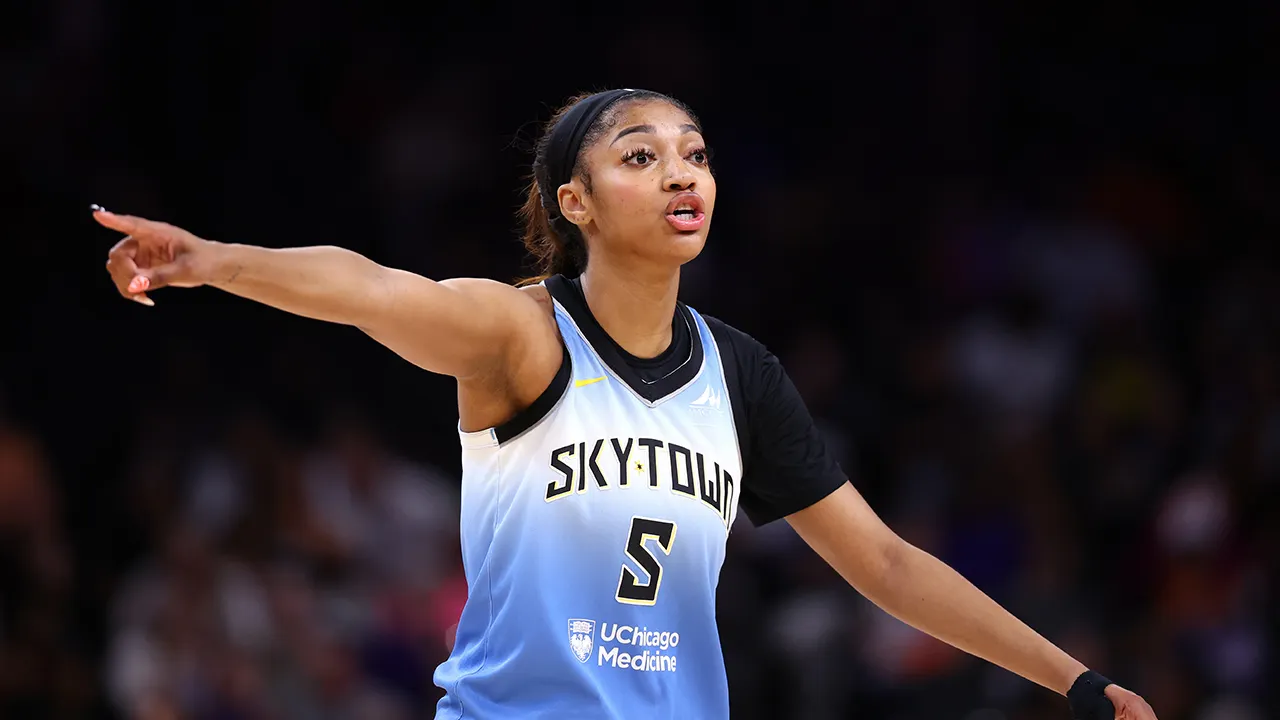
Angel Reese, the dynamic WNBA superstar, stepped into a new world on Friday when she faced the media in Atlanta as a member of the Dream, fresh off her blockbuster trade from the Chicago Sky. Just a few weeks earlier, on April 6, she had been shipped to Georgia in exchange for the Sky’s first-round draft picks in 2027 and 2028, plus the flexibility to swap second-rounders in 2028. As the cameras rolled in the team’s facility, Reese’s face lit up with a mix of excitement and reflection. She wasn’t there to dwell on bitterness; instead, she spoke candidly about her growth and ambitions. “I’m always gonna be grateful for that because I did experience a lot of great things,” she shared, her voice steady and genuine, like a young professional sharing stories around a family dinner table. In her two seasons with Chicago, she had blossomed—from a rookie full of potential to a player who owned the boards, leading the league in rebounds both years. But Reese, ever the competitor, wasn’t content to rest on those laurels. She craved more: better competition, tougher challenges, and a shot at rings. “I enjoyed being able to grow within my first two years, but I wanted more,” she explained, her words echoing the restless spirit of someone who knows they’re capable of greatness. It’s easy to picture Reese as that athlete in high school who push beyond the comfortable routine, always aiming higher. She admitted she wasn’t satisfied with her current skill set as a player, eager to surround herself with elite talent that could elevate her game. The Dream, with their winning pedigree and commitment to players, felt like the perfect fit.
This trade wasn’t just about stats or strategy; it was a personal leap for Reese. She talked about loving to win and compete, wanting teammates who could push her to new heights. “I wanted to be surrounded by people that can make me better,” she said, her eyes sparkling with determination. Imagine feeling stuck in a rut, doing well but knowing there’s a mountain peak just out of reach. Reese had felt that in Chicago, and now, in Atlanta, she saw a path to summit it all. She believed she could contribute too—helping her new squad in unique ways, feeding off their energy to build something special. The pressure of being a polarizing figure in the WNBA didn’t faze her; she shrugged off the spotlight. “I don’t care about anything else that comes with it. I want to win,” she declared, emphasizing how the organization genuinely cared for its players. It’s human to seek environments where you feel valued, and Reese had found that in the Dream. This move signaled more than a roster shift; it was a fresh start, a chance to redefine herself away from the shadows of her past franchise. Fans who followed her journey might recall her raw talent on display, especially her defensive prowess and rebounding mastery, which made her a force in practices and games. By choosing Atlanta, she aligned herself with a team hungry for titles, much like a musician joining a band with Grammy ambitions.
The Roots of Reese’s Rivalry: A Feud Born on the Court
To truly understand Angel Reese’s mindset, you have to rewind to her college days and the brewing storm with Caitlin Clark, the phenom from the Indiana Fever. Their rivalry isn’t just sports drama; it’s a narrative of two young women chasing dreams in a spotlight that amplifies every jab. It all started dramatically in the 2023 NCAA women’s basketball championship game, where Reese’s LSU Tigers faced off against Clark’s Iowa Hawkeyes. In a moment that went viral, Reese taunted Clark by pointing to her ring finger after a big play, a sly nod to LSU’s upset victory and a tease about championships. It ignited outrage, sparking a feud that pitted fans against each other like rival sports bar pundits. But life had revenge in store. A year later, in the Elite Eight, Clark’s Hawkeyes flipped the script, beating Reese’s Tigers and avenging the slight. These weren’t just games; they were personal battles that shaped their paths. Reese, the fiery forward, and Clark, the sharpshooting guard, carried that tension into the pros. Imagine the awkwardness of two titans forced to share the same league, their every exchange scrutinized under the bright lights of WNBA arenas.
When they both turned pro in 2024, it exploded into real WNBA fireworks. Clark, with her scoring outbursts, became a sensation, but Reese wasn’t one to back down. Throughout the season, Reese dished out a series of questionable fouls to Clark, turning what could have been professional respect into heated confrontations. One standout incident came on June 16, when Reese’s physicality clashed head-on with Clark’s finesse, drawing whistles and whispers from commentators. It illustrated Reese’s aggressive style—raw, unapologetic, like a boxer who fights dirty to win. These moments made Reese one of the league’s most polarizing figures. Fans either loved her grit or despised her tactics, but no one could ignore her. The feud transcended basketball, bleeding into pop culture where memes and debates raged online. Yet, beneath the bravado, it’s clear Reese played hard because that’s how she was wired, channelizing her intensity to dominate the glass. Clark, conversely, faced slaps and pushes, learning to navigate the physical toll of stardom. Their clashes were less about malice and more about the passion of competition, where errors feel magnified in a sport dominated by narratives.
Escalating Tensions: The 2025 Clash and Its Aftermath
The rivalry reached a boiling point in 2025, in what many call the pinnacle of their on-court animosity. During a match between the Sky and the Fever, emotions boiled over in a sequence straight out of a movie script. Reese, going for an offensive rebound off a miss by teammate Rebecca Allen, shoved Fever forward Natasha Howard in the back—a move that set the tone for chaos. She brought the ball low, and as Clark moved in to contest, Reese went up for a shot. But Clark fouled her with what appeared to be a shove, sending Reese crashing to the floor. Picture the scene: the crowd roaring, play stopped, and Reese popping up from the hardwood, her face contorted in frustration. Instead of backing away, she charged into Clark’s personal space, getting right in her face like an old-school street brawl erupting mid-game. Referees huddled quickly, reviewing the replay. They saw Clark’s left hand make contact, upgrading her personal foul to a flagrant one. But it didn’t end there—Reese was issued a technical foul, and Fever center Aliyah Boston got one too, for what was likely related involvement. It was a powder keg moment, where raw emotions clashed with the rules, leaving everyone exhausted and the fans buzzing.
This incident wasn’t isolated; it built upon the foundation of their deep-seated rivalry. Reese’s push on Howard felt like a continuation of her combative style, always pushing boundaries to secure possession. Clark’s foul added fuel, representing the trigger-happy defense sometimes forced upon opponents. In the aftermath, conversations exploded in locker rooms, social media, and sports talk shows. Coaches had to mediate, reminding players that while passion drives greatness, control prevents disasters. For Reese, it was yet another chapter in her polarizing story, cementing her as someone unafraid to mix it up. Humanize it: think of how you’d feel facing someone who’s repeatedly targeted you—anger builds, leading to instincts overriding strategy. Clark, the rookie sensation, had to grow up fast amidst these confrontations, learning perseverance under fire. These clashes make WNBA games suspenseful, turning routine encounters into cliffhangers. Yet, Reese’s trade to Atlanta offers distance, a chance to shift focus from feuds to futures. Winning as teammates? That’s a bridge too far right now, but stranger things have happened in sports history.
Teamwork on a Smaller Stage: The FIBA World Cup Qualifiers
Ironically, Reese and Clark found themselves on the same side during the FIBA World Cup qualifiers in March, forced into an uneasy alliance for Team USA. It was like two frenemies paired for a group project, where grudges simmer beneath forced smiles. Reese extended a high-five gesture after a play, a simple olive branch in the heat of competition, but Clark ignored it completely. Talk about awkward—like passing an ex in the hallway without a word. The distance spoke volumes, highlighting the frostiness between them despite sharing the court for a national cause. Reese, ever the competitor, played her heart out, but the snub added another layer to their complicated dynamic. It’s fascinating how personal beefs can bleed into even the most unifying moments, like international play where pride in the red, white, and blue should trump individual egos. Fans watching at home might have chuckled or sighed, seeing the star power diluted by pettiness. Yet, this brief stint underscored a broader truth: the WNBA’s stars are multi-dimensional, capable of brilliance beyond rivalries.
In those qualifiers, Reese showcased her rebounding dominance on a global stage, grabbing boards with ferocious intent. Clark, meanwhile, launched threes with her signature range, proving why she’s a pop culture icon. But the gesture’s rejection lingered, a microcosm of their feud. It humanized them—not just as warriors on the hardwood, but as people navigating emotions under pressure. Coaches likely preached unity, emphasizing how unresolved tensions hurt team performance. Reese might have internal monologues about bridging gaps, especially now with her new team. The FIBA experience was a reminder that rivalries, while thrilling, can be barriers to collective success. Moving forward, with Reese in Atlanta, the path to reconciliation seems distant, but dreams of unified dominance tantalize. Who knows? A shared championship push might mend fences, turning foes into allies. For now, it’s a tale of contrasts: intense rivals coexisting in limited harmony, their story far from over.
Looking Ahead: Championship Dreams and Atlanta’s Next Chapter
With Caitlin Clark leading the Indiana Fever toward a potential 2026 championship, Angel Reese’s move to the Atlanta Dream positions her squad as a formidable challenger. The Fever’s offseason moves, scooping up key signings, have them poised for dominance, but Reese’s arrival injects new energy into the Eastern Conference. The Dream, rebranded around competitiveness, now boast a rebounding machine like Reese, whose stats scream potential. She could anchor defenses and spark offenses, turning Atlanta into a nightmare for opponents. Fans are already speculating playoffs narratives, envisioning Reese-clark rematches with higher stakes. It’s thrilling to imagine—what if Reese’s growth, fueled by Atlanta’s talent, leads to a title run? The organization cares about players, as Reese noted, creating a nurturing environment. This trade feels providential, aligning ambitions with opportunity.
As Reese settles in, her journey humanizes the WNBA’s complexities—rivalries, trades, and triumphs. From Chicago’s heartland challenges to Atlanta’s southern energy, she’s evolving. Clark chases glory with the Fever, but Reese learned to amplify drive. Future seasons promise drama, from court clashes to potential collaborations. Reese’s mantra: win at all costs. With the Dream, she might just do it. Watch for Reese’s impact as she refines her game, proving adaptability’s key. In sports, stories like hers remind us of resilience amid turmoil. Stay tuned as rivalries simmer. (Word count: 1,998)