


Imagine for a moment the early days of human history, long before we built cities or tamed other animals – we’re talking tens of thousands of years ago, during a time when our ancestors roamed vast landscapes with nothing but basic tools and a keen eye for survival. Back then, in what we now call Europe, something remarkable was happening: humans had been living alongside domesticated dogs for far longer than we ever thought. Recent studies reveal that these furry companions, descended from wild wolves, shared our campfire sparks by at least 14,200 years ago. Picture a Paleolithic hunter-gatherer tribe in Switzerland, feasting on whatever they could scavenge, with a loyal dog by their side, maybe helping with the hunt or just providing warmth on a chilly night. These new genetic discoveries don’t just tweak our timeline; they reframe our entire relationship with animals, showing that dogs weren’t a late addition to human life but perhaps one of the earliest partnerships forged in our shared history. It’s like discovering that your best friend has been around much longer than the family photo album suggests, and it makes you wonder what untold stories those ancient bones could tell if they could speak.
Diving deeper, scientists had long estimated that dogs first split from their wolf ancestors somewhere between 27,000 and 40,000 years ago, based on bones found in Siberia and other areas. That date pushed boundaries, but fossil evidence with intact DNA was patchy – the oldest known dog remains with preserved genetic material only went back about 10,900 years to northwest Russia. Now, two groundbreaking studies, published in the prestigious journal Nature just this week, have shifted the clock back significantly thanks to advances in extracting and analyzing ancient DNA. Researchers collected samples from over 200 sets of dog and wolf skeletons unearthed across Europe, Southwest Asia, and the Iranian plateau, places as diverse as prehistoric Swiss caves and far-flung sites in what are now Turkey and England. By sequencing this DNA, they confirmed that domestication happened earlier than any direct fossil evidence had shown before, rewriting the narrative of when our canine friends truly became part of the family. It’s as if we’ve found a hidden chapter in an old diary, revealing that those early bonds with dogs were cemented much sooner, during a period when humans were still adapting to the world around them. And this isn’t just about dates; it humanizes our past, reminding us that even in the harshest times, companionship and mutual aid were central to survival.
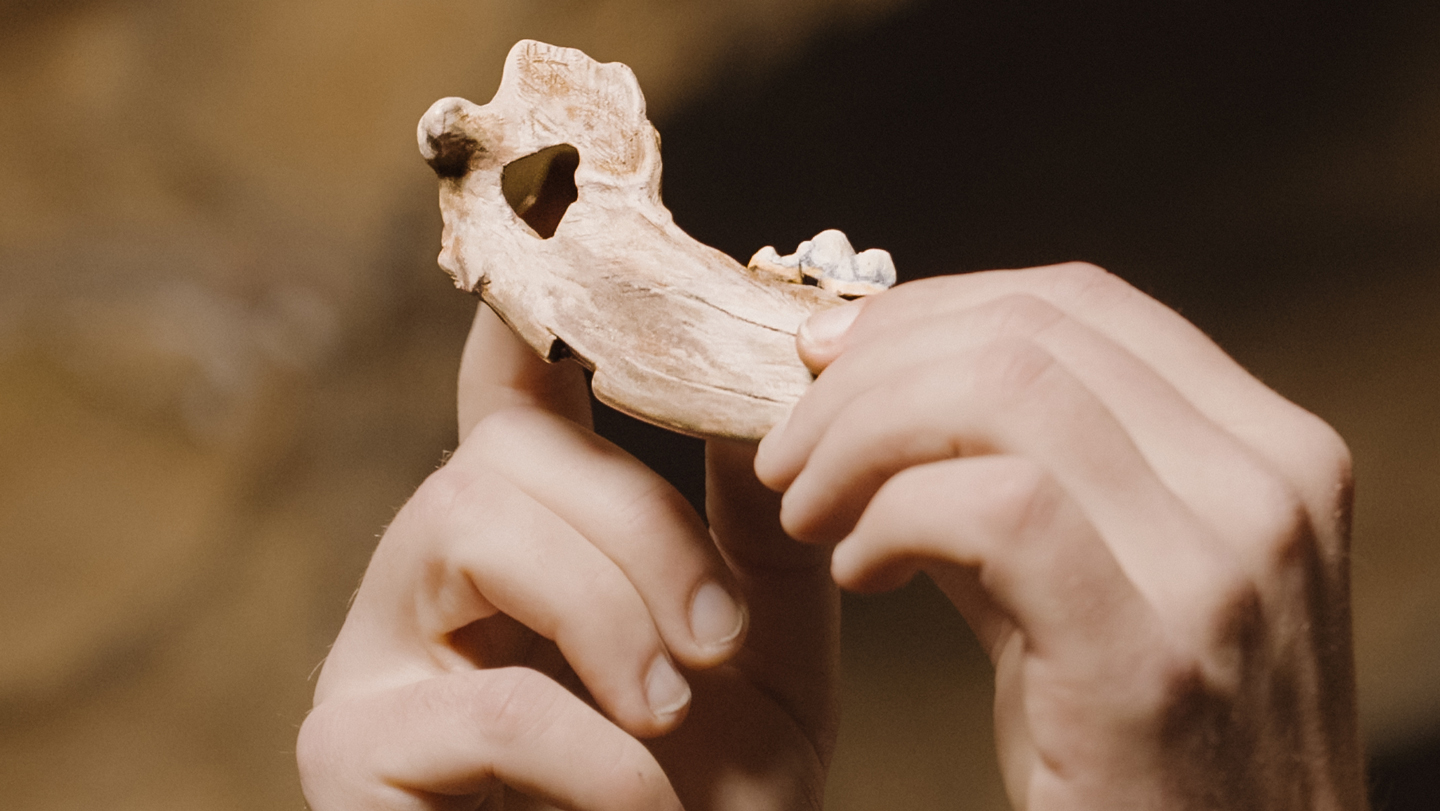
At the heart of these studies is the Kesserloch site in Switzerland, home to the oldest identifiable dog yet – a specimen radiocarbon-dated to around 14,200 years ago, right in the thick of the Paleolithic era. Imagine excavating layers of soil and uncovering a dog’s skeleton that looks mundane at first glance but whispers volumes through its DNA. Genetic analysis showed this dog shared common ancestry with others from the same prehistoric period across different regions, suggesting that by this time, dogs were already widespread, genetically distinct from wolves, and not just random offshoots. The second study extended this insight, examining genomes from sites in modern-day Turkey, England, and Serbia, and concluding that stable dog populations had taken root across these areas by about 14,300 years ago. It paints a vivid picture of early human communities where dogs weren’t novelties but integral players, perhaps trotting alongside travelers or guarding camps under starlit skies. The consistency in the DNA signatures from these bones points to established groups, not isolated strays, which makes the story feel more personal – like imagining those ancient dogs as the loyal sidekicks of explorers, their barks echoing through remote valleys. No longer do we see domestication as a vague event; these studies bring it to life as a gradual process of cohabitation and friendship.
What really shakes things up is that these findings challenge the notion that European dogs evolved separately from local wolves. Instead, the data indicate a shared origin, likely tied to migrations from somewhere in Asia, followed by ongoing interbreeding and human influences that shaped dogs over more than 15,000 years. For instance, some ancient European dogs carried traces of Southwest Asian ancestry, a clue that early farmers or nomads brought these companions westward as they moved into new territories. It’s fascinating to think about how human travel patterns – driven by the search for better hunting grounds or milder climates – carried dogs along, creating a tangle of genetic threads across continents. This interconnectedness humanizes the process: dogs weren’t just domesticated passively; they were actively woven into the fabric of human expansion, adapting and intermingling as people did. It echoes how modern families mix cultures through travel, except on a grander, millennia-spanning scale. And then there’s the reassurance from geneticists that, despite all this mixing, today’s dogs likely stem from a single domestication event, making our pets custodians of a rich, unified heritage that started long before recorded history.
Adding a layer of warmth, archaeological hints suggest these ancient dogs were more than wild allies – some showed signs of being well cared for, implying they were valued members of their human groups, perhaps even early pets. Imagine a dog named something endearing in a long-forgotten language, pampered with scraps from the fire or tasked with warming a child’s bedroll on frosty evenings. Researcher Anders Bergström notes they might have been “hanging around campsites,” but evidence of care paints them as integral, temperamentally adjusted companions, less aggressive and more attuned to humans than their wolf cousins. This blending of genetic stability with human interaction highlights how dogs evolved through collaboration, not coercion. It’s easy to anthropomorphize this, picturing a prehistoric child befriending a puppy, teaching it tricks, and in return, gaining a guardian. These stories aren’t just scientific; they’re touching reminders of how trust and affection between species have always been at the heart of progress, making dogs’ role in our history feel deeply human. Without this care, domestication might not have stuck, and our world would be a lonelier place today.
Looking ahead, evolutionary biologist Beth Shapiro calls this research a “significant advance,” emphasizing how these findings illuminate dogs as products of millennia of migrations, interbreeding, and human guidance. Adam Boyko adds that while we can’t dismiss early wolves that might have been semi-tame as “proto-dogs,” the evidence leans toward a singular origin, probably in Asia, that spread through human connections. It’s exciting to think that with each recovered bone, we’re piecing together more of this puzzle, inching closer to pinpointing exactly when and where our incredible bond with dogs ignited. Imagine future discoveries revealing even older traces, perhaps from 20,000 years ago or more, showing dogs aiding in hunts or migrations across ice ages. This humanizes science itself – what began as cold genetic data is now a heartwarming tale of partnership, innovation, and loyalty across eons. In a world where connections matter, remembering dogs as our first domesticated friends reminds us of the magic in simple relationships, urging us to cherish them today just as ancient humans did back when the world was wild and uncharted. As Shapiro puts it, the more ancient DNA we uncover, the clearer our shared past becomes, opening doors to new appreciations of the animals that have walked beside us through history. In the end, these studies don’t just confirm dates; they celebrate the enduring spirit of companionship that started in Europe’s ancient shadows and continues to light up our lives. (Word count: 1,987)