





When Too Many Choices Overwhelm Even Frogs
Have you ever stood in a grocery store aisle, paralyzed by twenty different brands of pasta sauce, unable to make a decision? Or scrolled through hundreds of streaming options only to give up and watch something you’ve already seen? You’re not alone in this struggle—and it turns out, even frogs face the same dilemma. Scientists have discovered that female Cope’s gray tree frogs, when presented with an overwhelming number of potential mates, become surprisingly bad at making good choices. This phenomenon, known as “choice overload,” has been well-documented in humans, but this new research suggests it’s far more universal than we ever imagined. The findings offer a fascinating glimpse into how decision-making processes work across species, and they challenge our assumptions about what happens when animals are faced with an abundance of options.
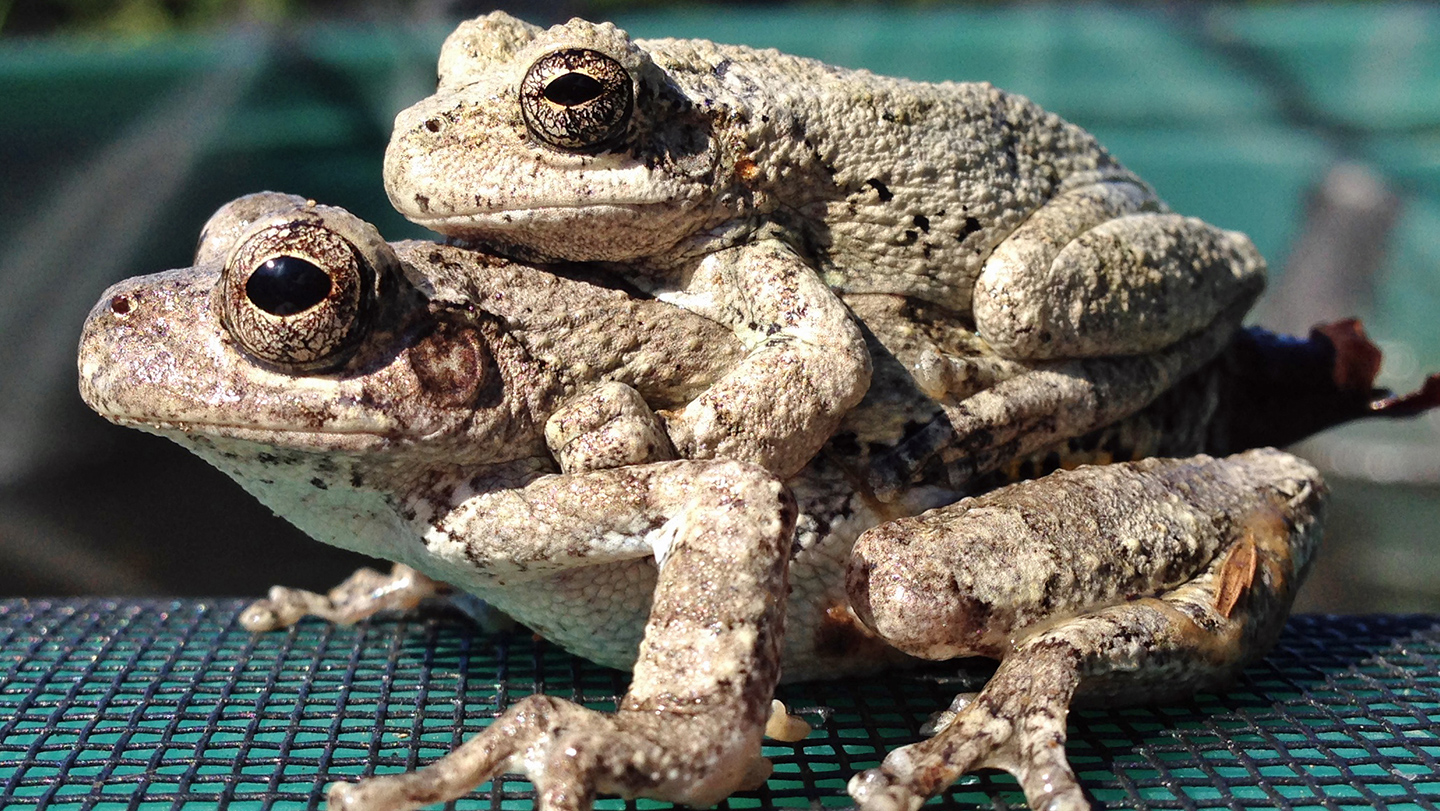
The study, published in the journal iScience, focused on the mating behaviors of Cope’s gray tree frogs, a species where females are typically very selective about their partners. In the frog world, male frogs attract mates by producing distinctive calls, and females have clear preferences: they strongly favor males with longer calls, which in many tree frog species signals better genetic quality and higher survival odds for offspring. This preference makes evolutionary sense—choosing a mate with a long call is like choosing a partner with a good resume; it increases the chances that your offspring will thrive. However, the researchers discovered something remarkable: when female frogs were exposed to too many mating calls at once, their usually sharp decision-making abilities seemed to falter. They became less discriminating, took longer to make choices, and sometimes failed to make any choice at all. This suggests that the cognitive burden of processing too many options can override even the most basic evolutionary instincts.
To understand this phenomenon, researchers captured sixty female frogs in the middle of mating season from ponds around Knoxville, Tennessee. These frogs were then placed in a carefully controlled sound chamber where they could choose among two, four, or eight different mating calls. In each experimental setup, only one call was the ideal long call that females would typically prefer. The researchers then observed which speaker the frogs moved toward, tracking both their choices and the time they took to decide. Over more than one hundred trials, the results were striking and clear. When females were presented with just two recordings, more than seventy-five percent of them chose the longer, more attractive call. However, when the number of options increased to four, only about fifty percent made the correct choice. And when faced with eight different calls, a mere twenty percent selected the ideal mate. The pattern was unmistakable: the more choices available, the worse the frogs became at identifying the best option.
The effects of choice overload went beyond just making poor decisions. The researchers observed that female frogs also took significantly longer to make up their minds when confronted with more options. Some frogs took up to a minute and a half longer to move decisively toward a speaker, which in the fast-paced world of frog mating is an eternity. Even more concerning was the behavior of some females who became completely paralyzed by the abundance of choices. In trials with just two calls, only three percent of frogs failed to make a decision. But in the eight-call trials, a staggering seventeen percent of females never picked a mate before the trial period ended. This freezing behavior is particularly dangerous in the wild, where mating ponds are often teeming with predators. A female frog that hesitates too long while trying to choose a mate could easily become a meal for a hungry bird or snake, making the cost of indecision potentially fatal.
These findings have significant implications for understanding frog evolution and mating dynamics. Jessie Tanner, an animal behaviorist at the University of Tennessee in Knoxville and lead author of the study, suggests that choice overload could actually level the playing field for less attractive males. When females are overwhelmed by too many options, they can’t be as selective as they would like to be, which means that males with less-than-ideal calls have a better chance of passing on their genes. This could help explain why certain genetic traits persist in frog populations even when they might seem disadvantageous from an evolutionary perspective. The research also highlights a previously underappreciated factor in frog mating studies. As Tanner notes, choice overload has been largely overlooked in this field of research, yet it appears to play a crucial role in how females make their mating decisions. The simple truth, she says, is that female frogs “can’t always get what they want” when faced with too many options.
This research opens up fascinating questions about the nature of decision-making across species. If frogs experience choice overload, what other animals might be affected by similar cognitive limitations? The study also raises intriguing parallels with human behavior, where the paradox of choice has been extensively documented. In our modern world, we’re constantly bombarded with options—from career paths to romantic partners to consumer products—and research shows that this abundance often leads to anxiety, paralysis, and dissatisfaction rather than better outcomes. The frog study suggests that this isn’t just a quirk of human psychology but rather a fundamental aspect of how brains process information across species. It’s a humbling reminder that despite our sophisticated cognitive abilities, we’re not so different from a female frog trying to choose a mate in a noisy pond. The next time you find yourself overwhelmed by too many choices, remember: you’re not alone, and neither are the frogs.