



Paragraph 1: The Unexpected Guardian
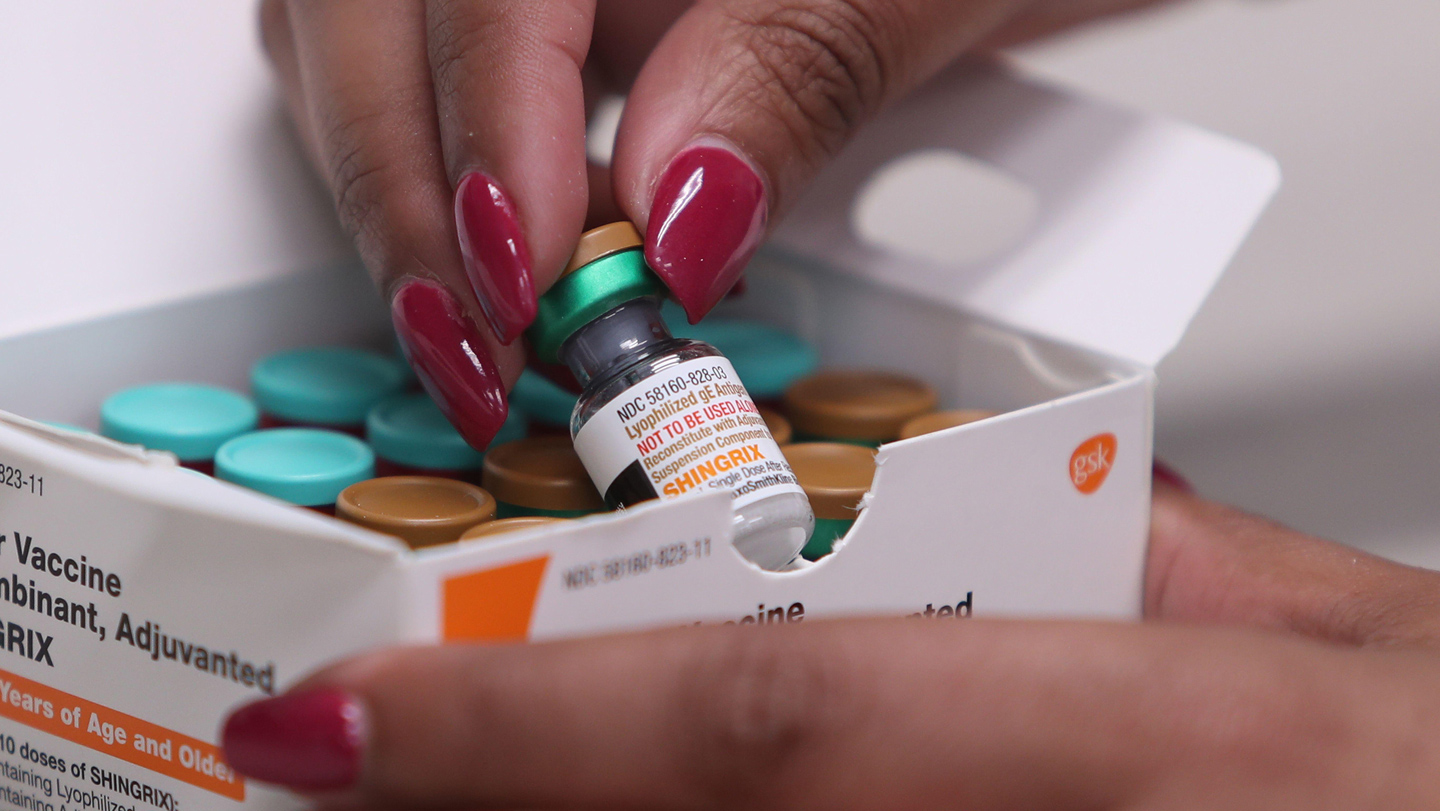
For decades, the mere mention of shingles has conjured up images of utter misery—a cruel, blistering rash that wraps around the torso like a fiery serpent, leaving searing nerve pain in its wake that can linger for months, even years. It’s a condition that predominantly haunts older adults, those over 50, whose immune systems have begun to lose the battle against a virus they’ve been harboring silently since childhood chickenpox. The advent of Shingrix, the highly effective two-dose vaccine, was hailed as a modern miracle for preventing this specific agony. But now, emerging from the world of cardiovascular research comes a revelation so profound and so serendipitous that it has left even the most seasoned doctors buzzing with cautious excitement. It appears that Shingrix, the humble shot designed to guard our skin and nerves, might just be a formidable shield for the heart itself. This isn’t just a minor footnote in a medical journal; it’s a seismic shift in how we view vaccines—no longer merely as blockers of infection, but as guardians of our entire vascular system. The implications are staggering, suggesting that a routine jab could be a dual-purpose weapon in the battle against the number one killer of men and women: heart disease. As the scientific community sifts through the data, the story unfolding is one of incredible hope, intertwining the mysteries of viral reactivation with the mechanics of arterial plaque, and offering a future where a trip to the pharmacy for a vaccine might just be the smartest cardiology appointment you never knew you had.
Paragraph 2: The Fiery Link Between a Rash and a Heart Attack
To understand this astonishing connection, we have to dig into the nasty biology of the varicella-zoster virus. After you recover from chickenpox as a child, the virus doesn’t leave; it retreats, taking refuge in the nerve roots near your spinal cord, lying dormant and undetected for decades. As we age, our immune surveillance naturally wanes, and the virus seizes this opportunity to wake up, traveling down the nerve pathways to erupt on the skin as painful blisters. But here’s the catch—the reactivation isn’t just a superficial skin event. The immune system’s desperate fight to confine the virus triggers a massive, systemic firestorm of inflammation throughout the body. It releases a deluge of inflammatory proteins, such as C-reactive protein and interleukins, into the bloodstream. This is where the story veers into cardiology. Atherosclerosis, the silent condition that hardens and narrows arteries, is fundamentally an inflammatory disease. The presence of these viral-induced inflammatory markers acts like a lit match thrown onto the oily, waxy plaque already lining your arteries. This inflammation destabilizes the plaque, making it brittle and prone to rupture. When a piece of that plaque breaks off, it can form a blood clot, blocking the artery and causing a heart attack or stroke. In essence, a bout of shingles isn’t just a painful inconvenience; it’s a shockwave that temporarily puts the cardiovascular system on high alert and perilously close to the edge. By preventing the virus from ever reactivating with the powerful, long-lasting immunity provided by Shingrix, we are effectively cutting off this inflammatory cascade at its source, thereby denying the arteries the very spark they need to ignite a catastrophe.
Paragraph 3: The Numbers that Turned Heads
For years, public health officials viewed the shingles vaccine solely through the lens of dermatology and neurology—preventing a rash and its associated nerve pain. But the recent wave of observational studies, particularly those analyzing vast, anonymized healthcare databases such as Medicare and the Veterans Health Administration, has changed that perspective dramatically. When researchers compared the health outcomes of vaccinated individuals against those who skipped the jab, a striking pattern emerged. Those who had received the full course of Shingrix exhibited a significantly lower incidence of cardiovascular events—specifically, heart attacks, transient ischemic attacks (TIAs), and full-blown ischemic strokes. The relative risk reduction, depending on the specific study and demographic, hovered around 16% to 27% for strokes and major heart events. While this might not sound as dramatic as a statin’s power to lower cholesterol, in the world of population health, a 20% reduction in cardiovascular mortality is monumental. These numbers are particularly compelling when you consider that the virus itself, when it reactivates, has been linked to a several-fold increased risk of a stroke in the weeks immediately following the rash. The vaccine appears to offer a robust, year-round buffering effect, keeping the immune system calm and preventing the dangerous spikes in inflammation that accompany viral reactivation. It’s important to note that these aren’t randomized controlled trials—the gold standard of medicine—yet. However, the sheer scale of these real-world data sets, involving hundreds of thousands of patients, makes the conclusion difficult to dismiss as mere coincidence. The protective signal is undeniably there, prompting researchers to fast-track more rigorous trials to cement the link.
Paragraph 4: A Two-for-One Deal for Your Golden Years
Let’s bring this down from the sterile lab bench to the kitchen table, because this news is profoundly personal for millions of people. If you are 50 years or older—the exact demographic eligible for the Shingrix vaccine—you are also living in the prime demographic for cardiovascular disease. You might already be managing blood pressure, watching your cholesterol, or worrying about the family history of heart attacks. This new discovery offers a pragmatic and deeply comforting bonus. Imagine heading to your local pharmacy for a routine shot, experiencing a sore arm for a day or two, and in the process, significantly lowering your odds of suffering a debilitating stroke. It feels like winning a health lottery you didn’t even know you entered. This is particularly beneficial for those who might be hesitant about getting the vaccine at all. Perhaps you dread needle pricks or have had mild discomfort from vaccines before. Knowing that the shot is doing double-duty—protecting you from the agonizing, burning pain of shingles and adding a layer of armor to your arteries—provides a powerful psychological incentive to roll up your sleeve. It reframes the vaccine from a purely preventative measure against a niche disease to a cornerstone of comprehensive preventive medicine. It’s a proactive step you can take right now, today, without changing your diet or starting a new exercise regime, to actively fight the leading cause of death. For your aging parents, your spouse, or yourself, the vaccination card is quietly becoming one of the most valuable assets in a healthy aging toolkit.
Paragraph 5: A Dose of Reality and a Grain of Salt
Naturally, a breakthrough this exciting demands a heavy dose of scientific skepticism, and we must tread carefully. First, the observable data comes with the caveat of the “healthy user bias”—the reality that people who tend to get vaccines are often the same people who manage their health better in other ways: they eat nutritious food, walk regularly, avoid smoking, and keep their doctor’s appointments. While researchers statistically adjust for these confounders, they can never fully eliminate the possibility that the healthier lifestyle, not the vaccine, is the true driver of lower heart risk. Furthermore, Shingrix is not a gentle vaccine; it is intentionally potent. It’s notorious for causing a vigorous immune response, with two-thirds of recipients experiencing soreness, fatigue, muscle aches, and sometimes fever for a couple of days. This immune kick is precisely why it works so well at preventing shingles, but it also means it is not without its temporary inconvenience. Critically, this vaccine is not a replacement for your cardiovascular medications. If you take a statin, blood thinners, or blood pressure pills, you absolutely must continue them. Shingrix is not a magic bullet that makes a cheeseburger-and-fries lifestyle safe. Rather, think of it as a crucial pillar in a larger foundation of heart health. It reduces one specific, though significant, biological trigger of cardiovascular distress. Ultimately, the message is one of addition, not substitution. It’s an extra layer of resilience that works silently in the background, complementing your prescribed treatments and healthy habits, to build a comprehensive defense against the threats of aging.
Paragraph 6: The Dawn of a New Medical Era
Looking ahead, this fascinating intersection of vaccinology and cardiology is likely just the tip of the iceberg. We are entering an era where the lines between infectious disease and chronic disease are blurring. We already know the flu vaccine can reduce the risk of heart attacks in vulnerable populations, and now shingles vaccination is showing similar benefits. This hints at a broader biological principle: chronic, low-grade inflammation is the enemy of the aging heart, and preventing infections—even those that are dormant—could be a powerful way to temper that underlying fire. The next steps involve launching dedicated randomized controlled trials to definitively prove the cardiovascular benefit of Shingrix, which could potentially lead to it being co-prescribed by cardiologists alongside traditional heart medications. For now, the evidence is compelling enough for physicians to strongly encourage anyone 50 and older to get the shot, not just for the skin, but for the heart, the brain, and the body as a whole. The conversation with your doctor is no longer simply “Do I need this to avoid shingles?” but rather “How will this shot help protect my entire future?” It is a beautifully human side effect of modern science—a reminder that our bodies are interconnected systems where healing one part nourishes another. The humble little syringe, filled with a harmless piece of viral protein, holds the power to stir the immune system into a protective frenzy, shielding us from excruciating rash pain and, perhaps, the silent, deadly rupture of a blood vessel. It is a story of hope, wrapped in a blister pack, promising that we can live longer, healthier, and more vibrant lives as we age.