






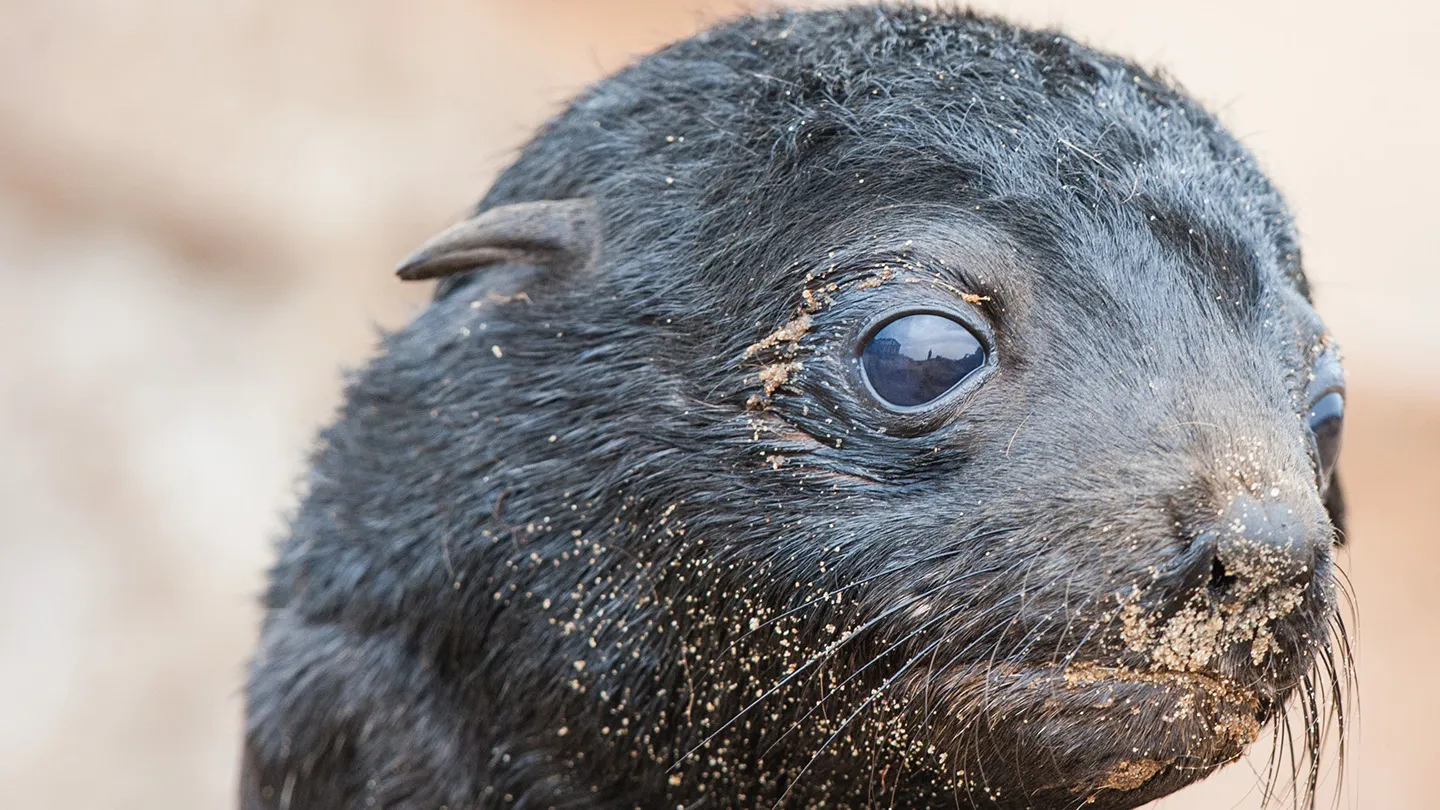
Imagine slipping beneath the surface of the ocean. For a human, the experience is instantly transformative but intensely isolating; the vibrant symphony of the above-world is replaced by a muffled, low-frequency hum where it is nearly impossible to tell where a sound is coming from. Yet, for seals, sea lions, and walruses—the sleek, whiskered, and highly charismatic marine mammals collectively known as pinnipeds—dipping below the waves opens up an entirely new, crystal-clear acoustic universe. These remarkable creatures possess what scientists describe as an evolutionary “superpower,” standing alone as the only mammals on Earth capable of hearing with exquisite precision both high up in the breezy open air and deep down in the dark, crushing depths of the sea. New research published in Proceedings of the Royal Society B: Biological Sciences reveals that this acoustic mastery was not a sudden development, but a beautifully complex evolutionary journey that began approximately 26.7 million years ago. This monumental adaptation occurred roughly 100 million years after the very first land-dwelling mammals developed the hardware to hear in the air, representing a massive leap in sensory evolution that allowed these ocean pioneers to colonize and thrive in some of the most challenging environments on our planet.
To appreciate the sheer genius of the pinniped ear, one must first look at the profound physics of sound and how poorly equipped human ears are for water. Our middle ear chambers, sealed snugly between the delicate eardrum and the deep inner ear, are permanently filled with air. This design is highly efficient on land, where air molecules easily vibrate the tiny bones of our middle ear to transmit sound waves to the brain. However, when we submerge ourselves, we encounter a physical barrier: water is more than 800 times denser than air. Because of this massive disparity in density, water acts as an acoustic mirror, reflecting nearly ninety-nine percent of underwater sound waves rather than letting them pass into our air-filled auditory canals. Pinnipeds solved this physics problem through an incredibly elegant biological adaptation. Their middle ears are lined with a unique, spongy cavernous tissue that rapidly fills with blood the moment they dive beneath the surface. Because blood is similar in density to ocean water, this vascular swelling eliminates the air-water barrier inside the ear canal. This ingenious mechanism equalizes the immense water pressure of the deep sea while serving as a biological conductor that effortlessly channels sound waves straight to the inner ear, allowing these animals to hear underwater with absolute clarity, filter out minor background static, and pinpoint the exact direction of prey or threats.
Unlocking the mysteries of how this auditory marvel came to be required some of the most sophisticated modern technology and a global scavenger hunt across scientific history. Dr. James Rule, a vertebrate paleontologist at Monash University in Melbourne, Australia, alongside an international team of dedicated researchers, embarked on an ambitious quest to reconstruct the evolutionary tree of the pinniped ear. Fastidious in their methodology, the scientists micro-CT scanned an astonishing 217 ear specimens representing 119 different mammal species curated from museums scattered all over the globe. These were not ordinary medical scans; they utilized incredibly high-powered, microscopic imaging technology capable of mapping out the intricate inner geography of tiny fossilized bones without causing a fraction of damage to the priceless relics. The team analyzed the ear structures of all 34 modern pinniped species, comparing them with close terrestrial relatives—including dogs, weasels, raccoons, and otters—as well as ancient, long-extinct fossil lineages that represent the transitional links between land and sea. By constructing detailed three-dimensional digital models of these delicate auditory systems, the researchers were able to peer directly into the deep past, mapping out when the physical structures responsible for underwater hearing first emerged.
By meticulously tracing these anatomical variations across millions of years, the scientists discovered that the foundations of amphibious hearing were laid during the late Oligocene epoch, roughly 26 million years ago. This discovery has surprised the scientific community, particularly marine ecologists like Dr. Steven Benjamins from the Scottish Association for Marine Science, who noted how unexpectedly early this auditory pivot occurred in the fossil record. The study highlighted transitional figures like Puijila, a semi-aquatic, freshwater mammal that lived a life highly reminiscent of an otter. Puijila possessed ears that were strictly designed for life on land, meaning they were functionally deaf beneath the surface and likely hunted by sight or touch in shallow, sunlit rivers. However, as the ancestors of modern seals began to venture into deeper, vast coastal oceans, the ancestral genus Enaliarctos emerged as the first truly marine pinniped. The rapid development of amphibious hearing during this geological transition strongly suggests that as these animals pushed further away from the safety of the shoreline, the ability to navigate, socialize, and hunt in the murky, deep ocean was of paramount importance, driving natural selection to craft a highly sophisticated underwater sensory kit.
Perhaps the most fascinating revelation from Dr. Rule’s study is that this revolutionary hearing system began as a pure evolutionary accident. Initially, the spongy, blood-filled tissue in the middle ear did not evolve to help these animals hear underwater; its original ecological purpose was likely a protective defense mechanism designed to prevent the eardrum from rupturing and imploding under the crushing, high-pressure environments of deep ocean dives. However, due to the laws of biophysics, this blood-engorged tissue naturally began conducting sound waves directly from the water into the skull. In the early stages of this transition, this sudden flood of raw sound was likely an overwhelming, chaotic experience, making the underwater world painfully and blindingly loud for early pinnipeds. Over millenia, natural selection went to work refining this accidental amplifier, reshaping the bones of the middle ear to act as a natural volume control and signal filter. What started as a simple physical cushion against pressure eventually evolved into a finely tuned acoustic instrument, showing how nature frequently co-opts existing biological traits to invent brand-new, life-altering sensory powers.
Today, this rich evolutionary history has left modern pinnipeds as the undisputed “masters of sound” in the animal kingdom, endowed with cognitive and vocal abilities that are shockingly human-like. Because of their sophisticated auditory hardware, seals and sea lions possess an innate sense of rhythm and can easily mimic complex vocal patterns, displaying a capacity for vocal learning that rivals that of parrots or humans. Yet, this ancient and hard-won auditory gift has also rendered them deeply vulnerable to the modern, industrial world. The oceans of the Anthropocene are no longer quiet; they are filled with the loud, constant cacophony of massive cargo ship engines, commercial sonar, and seismic testing. For a creature whose ears have spent 26 million years adapting to the natural underwater soundscape, this rising tide of human-made noise pollution is incredibly distressing and physically damaging. By learning the story of how these magnificent animals acquired their auditory superpower, we gain more than just a deeper appreciation for the wonders of evolutionary biology—we are presented with a profound ethical mirror, reminding us of our urgent responsibility to quiet our oceans and preserve the delicate acoustic sanctuary that seals, sea lions, and walruses have called home for millions of years.