



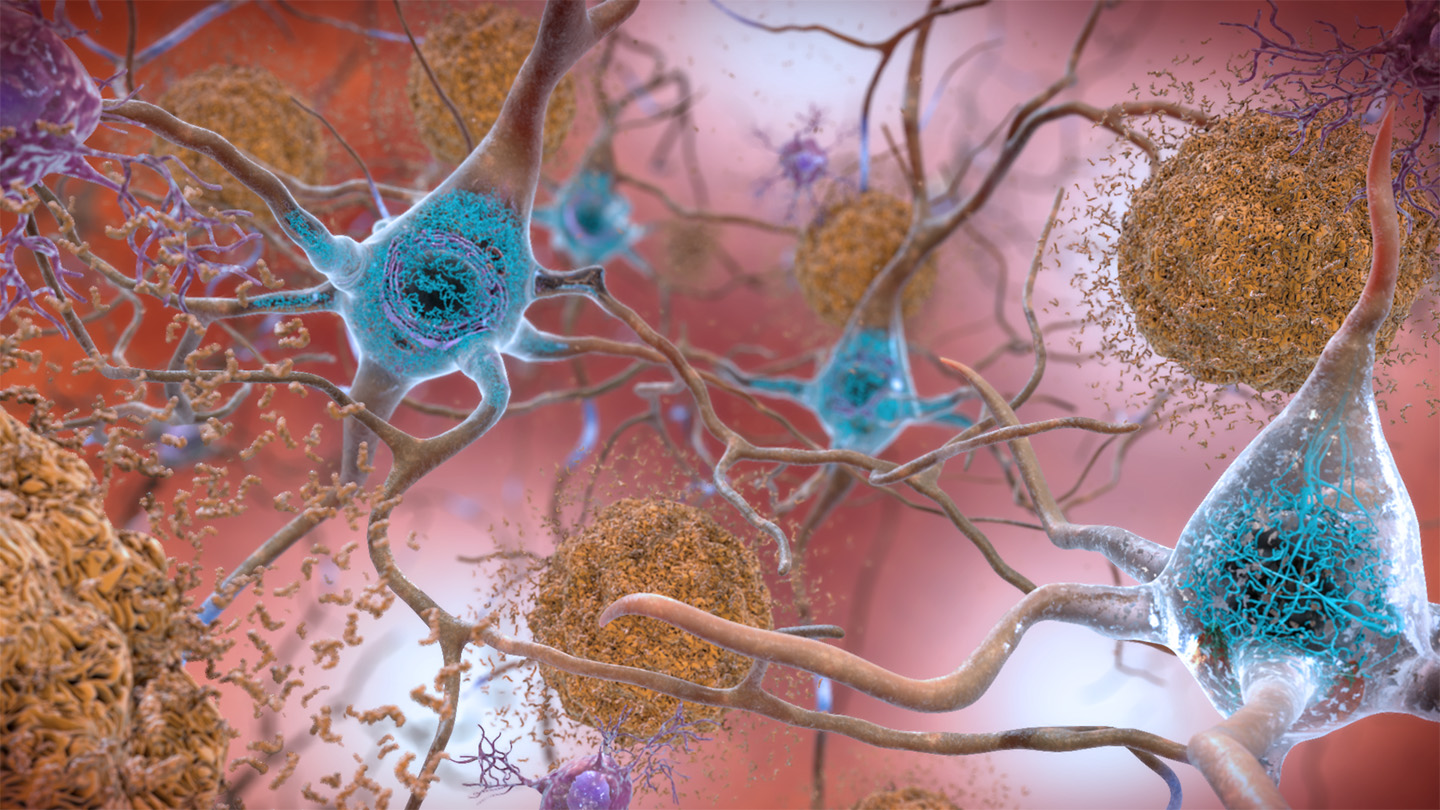
In the search for a way to stop Alzheimer’s disease, a new experimental drug has offered a promising glimmer of hope. Developed by the pharmaceutical giant Biogen, a compound called diranersen has shown the ability to clear away destructive tangles of a protein called tau from the human brain. According to recent clinical trial data, the treatment succeeded in reducing tau levels in patients’ spinal fluid by an impressive 50 to 65 percent. More encouragingly, the drug also appeared to slightly ease the cognitive decline of those who received it, marking a potentially vital step forward in treating a disease that shapes the lives of millions.
This development feels especially close to the hearts of those working in the field. Neurologist Catherine Mummery, who has nurtured this research for nearly a decade at the University College London Dementia Research Center, shared the findings to a packed room of hopeful colleagues. For many families, the news is a welcome sign of progress; in the United States alone, over seven million people live with Alzheimer’s, and options to slow its progression have historically been agonizingly rare. Diranersen works as a genetic “silencer,” targets the gene that produces tau, and aims to stop the protein from twisting into the toxic tangles that ultimately choke and destroy vital nerve cells.
To truly test the drug’s potential, researchers designed a Phase II trial involving 416 participants who were in the very early, vulnerable stages of Alzheimer’s or mild cognitive impairment. Because therapies have the best chance of saving brain function before damage becomes widespread, catching the disease early is critical. Over the course of 76 weeks, patients received either a placebo or varying doses of diranersen injected directly into their spinal cords. Doctors then carefully monitored their memory, problem-solving skills, and daily awareness to see if the treatment could preserve their precious cognitive faculties.
Yet, as is often the case with the human brain, the trial yielded a perplexing puzzle. Scientists fully expected that patients receiving the highest doses of the drug would experience the greatest benefits. Instead, they discovered that while all treatment groups fared better than those on the placebo, it was actually the patients on the lowest dose who showed the slowest cognitive decline, experiencing a 26 percent slower drop compared to just 9 percent in the high-dose group. Strangely, this lower-dose group also had less of their tau successfully cleared out. This contradiction has left researchers wondering if the unexpected pattern is simply a statistical fluke of a smaller trial, or if the relationship between tau levels and memory is far more complex than we realize.
Some independent experts urge caution, noting that the overall improvements in cognitive scores, while statistically real, were quite small. It remains to be seen whether these minor statistical differences will truly translate into a noticeable, meaningful difference in a patient’s day-to-day life. Nonetheless, the signal of hope is strong enough that Biogen plans to move forward with larger Phase III trials. If these larger studies succeed, diranersen could become the very first approved Alzheimer’s drug to directly target tau and successfully protect memory.
This breakthrough represents a fascinating shift in how we understand and fight Alzheimer’s. While recently approved drugs like lecanemab and donanemab target amyloid plaques, tau is thought to be more closely linked to how quickly a patient actually loses cognitive function. Crucially, diranersen did not show the risky side effects, such as minor brain bleeds, associated with older amyloid treatments, carrying only temporary side effects like mild confusion or discomfort from the spinal injections. In the future, researchers hope that combining these two approaches—clearing both amyloid plaques and tau tangles—might finally give doctors the powerful combination therapy needed to protect our memories and our loved ones.