


The physical and emotional toll of military service is a quiet burden carried by millions of American veterans, a heavy debt paid in ways both visible and invisible that civilian society rarely fully comprehends. For Holland “Ricky” White, a proud Vietnam War veteran who served in the legendary 173rd Airborne Brigade, this debt is an everyday, painful reality. The 173rd Airborne—famously known as “The Herd”—was among the very first ground combat units deployed to the dense, unforgiving jungles of Vietnam, where they bore the brunt of some of the war’s most brutal and relentless firefights. Decades after returning home, White still carries the physical remnants of his service: congestive heart failure, bilateral hearing loss, chronic obstructive pulmonary disease (COPD), severe sleep apnea, high blood pressure, hypothyroidism, and the haunting, persistent weight of post-traumatic stress disorder (PTSD). Yet, the physical ailments are only a fraction of his story; as a Black man returning from a deeply polarizing war, White had to endure the double sting of societal ridicule and racial prejudice in a fractured America. Through the tears of memory, he still mourns the friends who never made it out of those jungles, frequently asking God in quiet moments why his life was spared when so many brave young men around him were lost. For a man who has converted his survival guilt into a lifelong commitment to community advocacy and healing, the emerging rhetoric of Graham Platner—a Democratic Senate candidate whose resurfaced comments mock the very essence of military sacrifice—feels like a direct, agonizing betrayal of every drop of blood spilled on foreign soil.
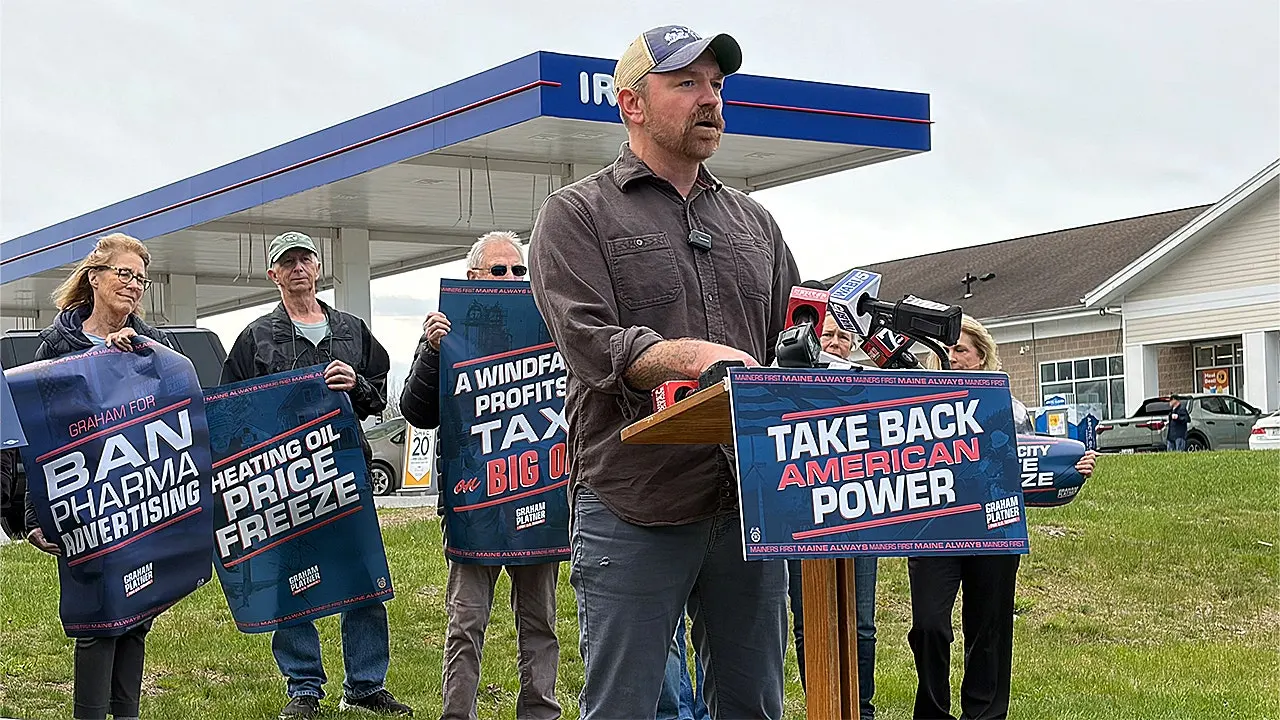
This profound sense of betrayal has ignited a fierce administrative and cultural campaign crisis in Maine, where Platner—a veteran-turned-oyster farmer—is currently campaigning to unseat Republican Senator Susan Collins in the high-stakes 2026 Senate race. Platner’s candidacy was built heavily upon the patriotic imagery of his military background, a strategic decision designed to appeal to Maine’s deeply rooted respect for service members and veterans. However, this carefully crafted public persona was shattered when his deleted Reddit account was unearthed, exposing a dark underbelly of vitriol, ideological extremism, and intense contempt for the armed services. The most egregious and deeply wounding of these digital artifacts dates back to 2019, when Platner reacted to a harrowing combat video showing Ted Daniels, a U.S. Army veteran who was shot four times during a chaotic firefight with the Taliban in 2012, an ordeal for which Daniels was ultimately awarded the Purple Heart. Rather than offering the empathy or technical solidarity one might expect from a fellow soldier, Platner unleashed a torrent of vicious insults, calling the heavily wounded infantryman a “dumb motherf—er” who “didn’t deserve to live.” He went on to mock Daniels’ physical appearance, attributing his survival solely to “poor marksmanship on the Taliban’s part” and dismissively referring to him as a “mouthbreather” whose “stupidity and fat a– wheezing” should be held in contempt by future infantrymen.
The sheer venom of these remarks has sent shockwaves through the broader veteran community, uniting service members across generations and branches in collective disgust. To mock a comrade-in-arms who absorbed enemy fire to protect his squad is to violate the most sacred, unspoken covenant of military life: the absolute assurance that you have your brother’s back, regardless of the circumstances. “Steve,” a veteran of the brutal campaigns in Iraq and Afghanistan who now commands a significant online following, spoke passionately about this breach, emphasizing that Platner’s comments display a complete and utter lack of understanding regarding the concepts of brotherhood and selfless service. This sentiment was echoed by Kate Monroe, a Marine Corps veteran and the chief executive officer of VETCOMM, who pointed out that simply having worn the uniform does not automatically bestow honor upon a person; true honor is found in how one carries oneself, how one treats others, and how one speaks of those who stood beside them in the darkest hours of danger. In their eyes, Platner may have legally earned his military uniform, but by dismissing the entire U.S. Army as an organization “full of fat, lazy trash who would rather not be in uniform” in another 2019 forum post, he has forfeited any right to the respect normally afforded to veterans.
Beyond the immediate emotional hurt, the controversy raises urgent, practical questions about Platner’s fitness to hold higher office, particularly within the chambers of the United States Senate. Bill Brown, a retired Navy SEAL who survived combat tours in Iraq, highlighted the chilling reality of what it means to elect a senator who harbors such profound hostility toward the military. A U.S. Senator is not just a policy-maker; they hold the immense constitutional responsibility of voting to send American sons and daughters into harm’s way, confirming the high-ranking generals who will command them on the battlefield, and authorizing the vital funding for the protective gear and weaponry that stands between a soldier and death. For Brown, Platner’s documented disdain for the military proves beyond a shadow of a doubt that he cannot be trusted to make these gravity-defying, life-or-death decisions with the necessary care and commitment. Retired Army Staff Sergeant John Rourke, who saw intense combat during Operation Iraqi Freedom, agreed, stating that Platner’s cruel online posturing does not make him look “edgy” or “tough,” but instead marks him as a distinct disgrace to the uniform, a sentiment that cuts to the heart of a leadership crisis that Maine voters must now navigate.
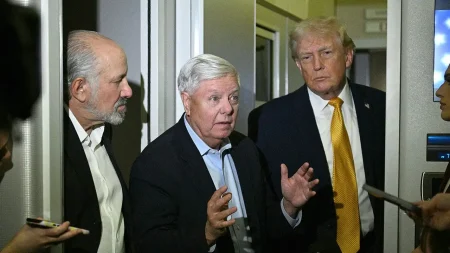
The political condemnation has quickly escalated to the federal level, with several of Platner’s potential future colleagues in the Senate—themselves highly decorated combat veterans—recoiling at his rhetoric. Senator Joni Ernst of Iowa, who dedicated over two decades of her life to the Army Reserve and Iowa Army National Guard and commanded troops in Kuwait during Operation Iraqi Freedom, spoke of the visible and invisible scars of service with deep gravity, calling Platner’s mockery of wounded and killed soldiers “absolutely despicable.” Republican Senator Tom Cotton of Arkansas, a former Army infantry officer who served combat tours in both Iraq and Afghanistan, took the criticism further, noting that such disgraceful comments are precisely what one should expect from an individual who has previously embraced socialism, defended extreme Antifa-style violence, and bears a controversial Nazi tattoo. Senator Tim Sheehy of Montana, a retired Navy SEAL, publicly challenged Democratic veterans currently serving in Congress to find a way to defend Platner’s indefensible statements, pointing out the absolute silence from across the aisle. Senator Dan Sullivan of Alaska, a Marine Corps veteran who served in Afghanistan, framed the issue through the lens of the Marine Corps’ immortal motto, Semper Fidelis—Always Faithful—concluding that Platner had utterly and catastrophically failed the primary test of fidelity to his fellow service members.
As the scandal continues to widen, the profound silence from both Platner’s campaign and Democratic veteran senators serves as a stark, troubling backdrop to an already painful situation. Neither the campaign nor congressional offices reached by investigators have offered any defense, apology, or context for the hateful posts, leaving a lingering wound in the hearts of those who have sacrificed their youth, health, and peace of mind for the United States. For veterans like Ricky White, who live daily with the grueling physical and psychological scars of combat, this silence feels like a continuation of the same apathy and dismissal they fought so hard to overcome decades ago. The race for Maine’s Senate seat in 2026 will undoubtedly be defined by policy debates and economic platforms, but for the millions of Americans who value the military family, it will also be a referendum on character, respect, and the preservation of the sacred bonds of the republic. By exposing the unvarnished feelings of a candidate who labeled his fellow soldiers “trash” and mocked a Purple Heart recipient’s survival, this controversy serves as a solemn reminder that behind the political theater and polished campaign strategies lie real human lives, genuine sacrifices, and a history of service that must never be cheapened for political elevation.