


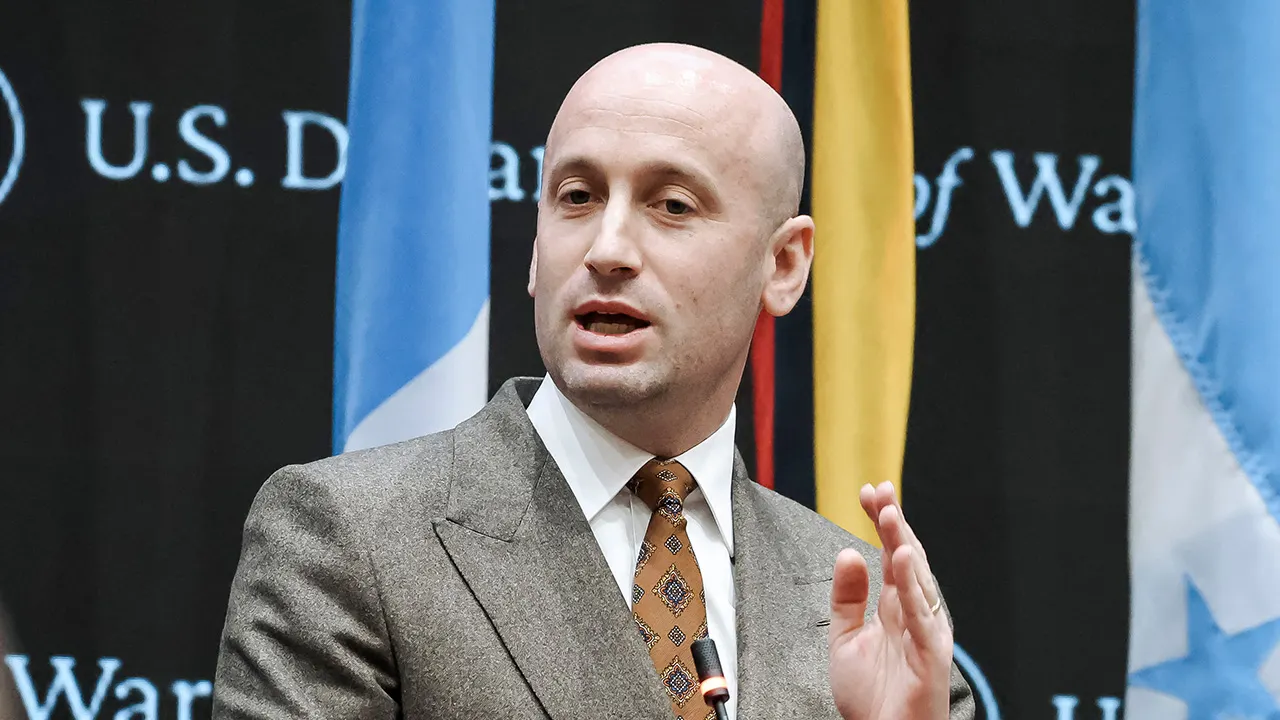
The sudden passing of Senator Lindsey Graham at the age of 71 has sent shockwaves through Washington, leaving both allies and rivals to grapple with the unexpected loss of a defining figure in modern American politics. For those within the Trump administration, the grief is deeply personal. Stephen Miller, a key White House policy advisor who worked closely with Graham, shared an emotional tribute to the late South Carolina senator, describing him not just as a vital political ally, but as a cherished personal friend. Reflecting on Graham’s unique approach to governance, Miller remarked that the senator belonged to a rare, fading mold of politicians who truly believed in the power of rhetoric and persuasive communication to bridge divides and reshape legislative outcomes.
Behind the public political maneuvering, there existed a far warmer and more collaborative relationship between Graham and the White House than was previously understood. Miller spoke candidly about Graham’s immense generosity, noting that whenever the administration faced an uphill battle or needed legislative support, the senator was always the first to answer the call without a moment’s hesitation. This steadfast reliability solidified his status as one of the most effective and consistent champions of the president’s agenda in the Senate. Despite a history of public disagreements and a relationship with Donald Trump that famously fluctuated between sharp criticism and fiercely loyal defense, Graham ultimately cemented his legacy as a trusted advisor who wielded massive influence over both domestic policy and international affairs.
Graham’s untimely death on a Saturday evening was attributed to an aortic dissection resulting from arteriosclerotic cardiovascular disease, a sudden and catastrophic medical emergency that left his colleagues stunned. The finality of his passing has been difficult for those close to him to process, with Miller admitting he has struggled to fully comprehend the loss. As a statesman, Graham was defined by his unwavering belief that the world was a safer, more stable place when America active led on the global stage. His foreign policy legacy was marked by a persistent advocacy for strong international engagement, a stance he championed with the same vigor he brought to his domestic battles, ensuring his impact on American foreign relations will be felt for generations.
In the wake of this tragedy, South Carolina Governor Henry McMaster acted swiftly to fill the legislative void, appointing Graham’s sister, Darline Graham Nordone, to serve out the remainder of his Senate term. This appointment, which carried the explicit blessing of former President Trump, serves as a poignant tribute to the late senator’s family while temporarily stabilizing a fragile Republican majority in the Senate. While Nordone steps into her brother’s formidable shoes to steward his seat through this period of mourning, it remains highly uncertain whether she has any intention of launching a campaign to keep the seat for a full six-year term in the upcoming cycle.
The battle for Graham’s permanent successor is already brewing beneath the surface, as South Carolina’s political landscape prepares for a highly competitive transition. Rumors are already swirling around prominent South Carolina Republican Representatives Nancy Mace and Ralph Norman, both of whom are Widely expected to consider bids for the GOP nomination. Under South Carolina state law, the vacancy triggers a rapid electoral timeline, requiring political hopefuls to prepare for a high-stakes primary election scheduled for August 11. This looming contest promises to be a crucial test for the state’s Republican faction as they seek to identify a candidate capable of filling the immense political vacuum left by Graham’s departure.
As Washington prepares to say its final goodbyes to one of its most charismatic and influential lawmakers, the focus remains on celebrating the fullness of a life dedicated to public service. For friends like Stephen Miller, the memory of Graham’s warm spirit, open heart, and rhetorical brilliance offers comfort during a time of immense grief. Though the political machinery of South Carolina and the nation must inevitably grind forward with upcoming special elections and strategic realignment, the consensus across the political spectrum is clear: the Senate has lost a singular voice, and the legacy of Lindsey Graham will continue to cast a long shadow over the halls of Congress for years to come.