


Catholic Bishops Express Concern Over Trump’s Immigration Policies and Their Impact on Communities
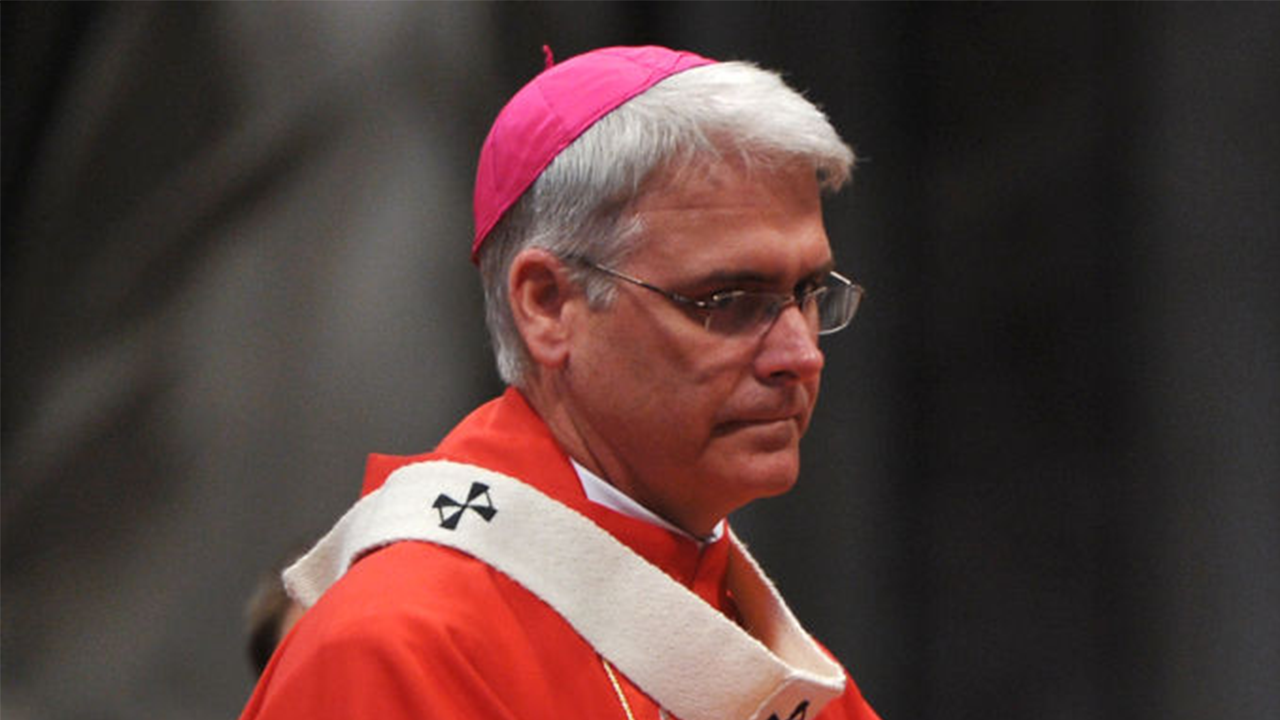
The president of the U.S. Conference of Catholic Bishops, Archbishop Paul Coakley of Oklahoma City, has voiced significant concerns about the Trump administration’s mass deportation policies, highlighting their impact on immigrant communities across America. Speaking on CBS News’ “Face the Nation,” Coakley emphasized that these policies are “instilling fear in a rather widespread manner,” creating an atmosphere of anxiety and uncertainty for many families. While acknowledging that nations have “a right and a duty to respect borders,” the archbishop stressed that there is no inherent conflict between advocating for secure borders and treating people with dignity. This perspective reflects a core principle of Catholic social teaching: that human dignity is God-given, not state-awarded, and therefore cannot be taken away by governmental action.
Coakley further elaborated on Catholic teaching regarding migration, explaining that while “people have a right to remain in their homeland, they also ought to be allowed to migrate when conditions in their homeland are unsafe.” This stance places him among numerous Catholic leaders who have criticized Trump’s immigration approach, even as Mass attendance has reportedly declined in some parishes due to fears of immigration raids. Despite being generally aligned with the church’s social conservatives, Coakley has consistently spoken out against the current administration’s immigration crackdown. Earlier, he issued a statement defending undocumented immigrants in Oklahoma as “upstanding members of our communities and churches, not violent criminals,” directly challenging narratives that portray immigrants primarily as threats to public safety.
The U.S. Conference of Catholic Bishops has taken a formal position on this issue, adopting a “special message” that explicitly criticizes Trump’s mass deportation agenda and the “vilification” of migrants. The statement expresses deep concern about “a climate of fear and anxiety around questions of profiling and immigration enforcement,” while also highlighting worries about conditions in detention centers and the lack of access to pastoral care for detainees. The bishops specifically opposed “indiscriminate mass deportation of people,” suggesting that current policies fail to recognize the complex human realities involved in immigration. This position received endorsement from Pope Leo XIV and Bishop Ronald Hicks, who has been named as the next archbishop of New York, replacing conservative Cardinal Timothy Dolan in one of America’s most significant Catholic leadership positions.
Pope Leo XIV has been particularly vocal on this issue, stating that “there are ways of treating [illegal immigration] through courts and the justice system,” while emphasizing the need to treat people humanely and with dignity. The pope has consistently encouraged bishops to speak out on social justice concerns and has suggested that supporting “inhuman treatment of immigrants” may be inconsistent with truly pro-life values. This papal backing strengthens the U.S. bishops’ position and reflects broader Catholic teaching that places human dignity at the center of all policy considerations, including those related to immigration enforcement and border security.
In defending the bishops’ special message, Coakley pointed to the real-world impacts of current policies and rhetoric, noting that in “communities with a more dense migrant population, there is a great deal of fear and uncertainty, anxiety because of the level of rhetoric that is often employed when addressing issues around migration and the threats of deportation.” This observation highlights how policy discussions and implementation strategies have concrete effects on community well-being, church participation, and family stability throughout the country. The bishops’ concern extends beyond abstract principles to address the lived experiences of people in their congregations and communities who face separation, detention, and deportation.
Ultimately, Archbishop Coakley emphasized that immigration policy must never lose sight of fundamental human dignity, firmly stating that “the end justifies the means” cannot be a guiding principle for a just approach to immigration. “People are to be respected and treated with dignity, whether they are documented or undocumented, whether they are here legally or illegally, they don’t forfeit their human dignity,” Coakley insisted, articulating a position that transcends partisan politics and calls for a more humane approach to immigration enforcement. This stance reflects the Catholic Church’s consistent teaching that while nations have legitimate interests in regulating their borders, these interests must always be balanced against the fundamental dignity and rights of all human persons, regardless of their legal status or country of origin.