



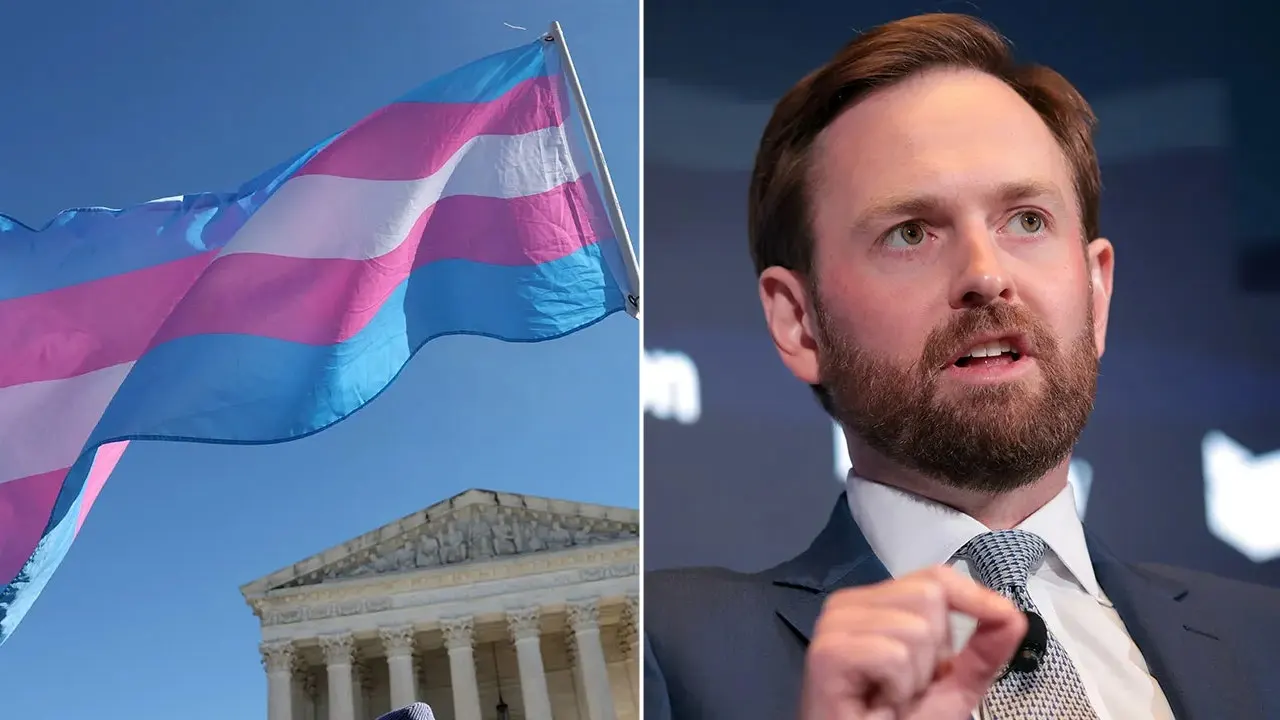
For decades, parents navigating the complex and deeply emotional terrain of pediatric gender dysphoria have sought a beacon of clinical certainty, placing their ultimate trust in the global authorities of medicine. Today, that trust faces a seismic and profoundly unsettling challenge as the World Professional Association for Transgender Health (WPATH) finds itself at the center of a landmark federal lawsuit. Filed in a Texas federal court by the Federal Trade Commission (FTC) in tandem with the attorneys general of Texas, Alaska, Iowa, and Nebraska, the complaint strikes at the very heart of the pediatric gender care model. The lawsuit alleges that WPATH, long considered the premier international authority on transgender medicine, systematically engaged in consumer-protection violations by promoting medical guidelines for minors that its own leadership privately admitted were built on highly unstable and incomplete evidence. By presenting highly experimental, life-altering procedures—including puberty blockers, cross-sex hormone regimens, and irreversible surgeries—as settled, evidence-based gold standards, WPATH is accused of depriving families of the fundamental right to honest, fully transparent medical information. As FTC Chairman Andrew Ferguson emphasized, a core tenet of consumer protection is that families must have complete, unvarnished truth when making profound decisions about their children’s long-term health. The legal battle is not merely a dry debate over administrative policy; it represents an urgent domestic reckoning over whether vulnerable children were used as subjects in an ideological experiment, and whether the medical establishment prioritized clinical activism over the sacred duty to first do no harm.
At the core of the federal complaint is a stark, deeply troubling discrepancy between WPATH’s assured public declarations and the private anxieties voiced by its key decision-makers. While public-facing documents portrayed WPATH’s “Standards of Care” as the unanimous consensus of global scientific literature, internal correspondence reveals an organization acutely aware of its own intellectual vulnerability. The lawsuit highlights a 2023 strategy memorandum authored by Dr. Eli Coleman, the lead architect of WPATH’s Standards of Care 8th Edition, in which he candidly confessed to colleagues that they were “painfully aware” of the vast research gaps underlying their formal clinical recommendations. This private admission of ignorance is echoed by Dr. Amy Tishelman, the lead author of WPATH’s pediatric chapter, who acknowledged during a media appearance that there was no established “research basis” to determine the most effective or safest therapeutic interventions for transgender-identifying youth. Despite these internal acknowledgments of scientific scarcity, the organization proceeded to aggressively market its frameworks to the public and the medical industry at large. Even more concerning, regulators allege that WPATH went so far as to remove recommended age minimums for highly invasive procedures, such as double mastectomies, in its 2022 guidelines without any accompanying scientific justification. Internal deliberations show leadership struggling to find even a single shred of empirical evidence to defend this radical policy shift, raising profound ethical questions about who was actually steering the ship of pediatric transition and why safety parameters were discarded so cavalierly.
The catastrophic downstream consequence of WPATH’s public posturing was the wholesale capture of the American medical establishment, creating an institutional echo chamber where unproven guidelines were treated as absolute dogma. Far from remaining confined to a niche corner of medicine, WPATH’s Standards of Care quickly became the foundational bedrock for pediatric transition protocols nationwide, shaping insurance reimbursement policies, hospital programs, and the formal positions of prestigious bodies like the Endocrine Society and the American Academy of Child and Adolescent Psychiatry. According to Dr. Kurt Miceli, the Chief Medical Officer for the medical ethics advocacy group Do No Harm, this rapid, unquestioned adoption represents a deep systemic failure of institutional due diligence. Regulators argue that this systemic capture was fueled by severe, undisclosed conflicts of interest, alleging that the very clinicians and surgeons tasked with writing the guidelines had immense professional and financial stakes in the expansion of pediatric medical transitions. By allowing individuals who financially profited from the performance of gender-affirming surgeries and hormone prescriptions to design the regulatory standards, WPATH essentially “stacked the deck” in favor of lifelong medicalization. This conflict of interest was disguised behind a veneer of academic neutrality, leaving local pediatricians, school counselors, and well-meaning family doctors completely in the dark regarding the commercial and ideological incentives driving the guidelines they trusted implicitly to guide their young patients.
For many parents caught in this specialized medical pipeline, the psychological pressure exerted by healthcare providers relying on WPATH’s guidelines was nothing short of overwhelming, often taking the form of intense emotional coercion during moments of extreme vulnerability. Perhaps the most devastating revelation in the lawsuit is the systematic deployment of the “live daughter or dead son” rhetorical binary, a high-stakes ultimatum used by clinicians to pressure reluctant parents into consenting to experimental hormonal or surgical transitions. Promising that these medical interventions were “life-saving” and absolutely essential to preventing youth suicide, providers used this emotionally manipulative script to bypass parental caution, despite the lack of solid, long-term empirical evidence proving that pediatric transition actually reduces suicide rates. Rather than offering open, compassionate, and holistic psychological support to adolescents struggling with complex co-occurring issues like autism, depression, and social isolation, the system fast-tracked children toward medicalization under the threat of impending self-harm. Dr. Miceli and other critics point out that presenting such a reductive, highly terrifying ultimatum to distraught parents is not only clinically irresponsible, but represents a catastrophic breach of professional ethics. By framing experimental medicine as the sole barrier between life and death, WPATH and its network of practitioners effectively weaponized parental love, leaving moms and dads feeling that questioning the science was equivalent to signing their child’s death warrant.
As the fog of this clinical rush begins to clear, the tragic, highly tangible human cost of these unsubstantiated medical protocols is starting to emerge through the voices of young detransitioners and injured patients left to pick up the pieces of their broken lives. The federal complaint details a sobering array of severe, lifelong physical and psychological complications experienced by minors who underwent transition under WPATH-sanctioned models, including chronic, debilitating physical pain, irreversible sexual dysfunction, urinary incontinence, permanent nerve damage, and loss of future biological fertility. For these young people, the theoretical debate over clinical consensus has transformed into a daily physical reality of managing complex, chronic health problems that they were far too young to fully comprehend or legally consent to. The psychological toll is equally staggering, with many individuals experiencing intense, compounding psychological distress upon realizing that the medical path they were assured would solve their emotional struggles has left them with permanent physical limitations and a lifetime of dependence on synthetic hormones. The lived experiences of these detransitioners puncture the narrative of the flawless, universally beneficial transition, proving that the real-world consequences of treating a complex psychological distress exclusively with irreversible chemical and surgical interventions can be deeply destructive. These stories humanize the dry legal pages of the FTC complaint, transforming a regulatory dispute into an urgent plea for the protection of children’s developing bodies from irreversible medical experiments.
In response to these grave allegations, WPATH has swiftly mounted a defense, rejecting the federal lawsuit as a politically motivated attack orchestrated by conservative forces and the incoming Trump administration to strip away the healthcare rights of transgender Americans. Defending its fifty-year history, the organization insists that its guidelines have always been rooted in rigorous consensus and patient-centered care, arguing that decisions regarding gender interventions must remain strictly between patients, their families, and their medical providers without governmental intrusion. However, critics like Dr. Miceli argue that the sheer scale of the evidence presented by the FTC makes simple political deflections impossible to sustain, signaling a much larger, unavoidable reckoning that must now occur across all of American medicine. The lawsuit serves as a critical distress signal, demanding that major professional organizations—such as the American Medical Association, the American Academy of Pediatrics, and the Endocrine Society—immediately halt their blind alignment with WPATH and conduct an independent, objective review of the actual scientific literature. The true measure of a society’s compassion is how it protects its most vulnerable, and this historic legal challenge may finally force a return to cautious, evidence-based pediatric care, ensuring that science is never again sacrificed at the altar of ideological expediency.