



SBA Suspends Thousands of Minnesota Borrowers Amid Widespread Fraud Concerns
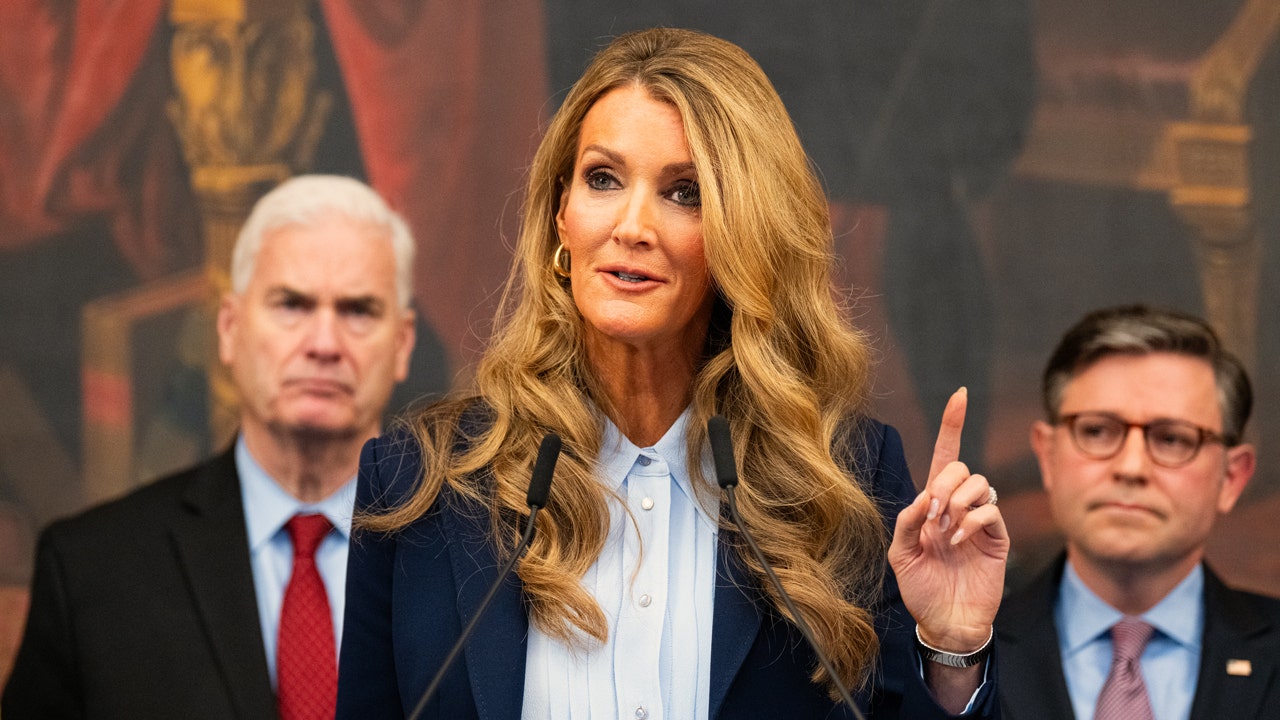
In a significant move to combat fraud, the Small Business Administration (SBA) has suspended 6,900 Minnesota borrowers after uncovering what appears to be extensive fraudulent activity. Administrator Kelly Loeffler announced the agency’s findings after reviewing thousands of pandemic-era relief loans, identifying nearly $400 million in potentially fraudulent transactions within the state. This suspension represents a decisive step toward accountability, as Loeffler stated these individuals will be permanently banned from all SBA loan programs, including disaster loans. The announcement marks just the beginning of what appears to be a broader crackdown, with Loeffler promising that appropriate cases will be referred to federal law enforcement for prosecution and recovery of funds, emphasizing that “the American people will finally begin to see the criminals who stole from law-abiding taxpayers held accountable.”
The investigation focused on two critical pandemic relief programs—the Paycheck Protection Program (PPP) and Economic Injury Disaster Loans (EIDL)—which were designed to help struggling businesses survive during COVID-19. According to the SBA’s findings, approximately 7,900 loans approved during this period exhibited suspicious characteristics that warranted further scrutiny. The scale of the suspected fraud is particularly troubling, with at least $2.5 million in funds reportedly connected to a Somali fraud scheme based in Minneapolis. This pattern of potentially fraudulent activity has raised serious questions about oversight and accountability in the distribution of federal emergency funds, especially considering Loeffler’s claim that $430 million in PPP funds tied to roughly 13,000 loans were flagged as potentially fraudulent but still funded and, in some cases, later forgiven during the Biden administration.
The SBA’s actions come amid growing scrutiny of Minnesota Governor Tim Walz and his administration regarding their handling of billions in social services fraud across the state. In a pointed escalation, Loeffler sent a letter to Walz on December 23, informing him that the SBA would “halt” more than $5.5 million in annual support to resource partners in Minnesota “until further notice.” This decision represents a rare intervention by a federal agency into state-level operations and signals the seriousness with which the SBA is approaching the fraud allegations. The letter didn’t mince words, with Loeffler describing the “volume and concentration of potential fraud” as “staggering,” matched only by what she characterized as an inadequate response from the Walz administration toward those who tried to prevent it.
This development in Minnesota highlights a broader national concern about the vulnerability of emergency assistance programs to fraud, particularly during crisis situations when funds are distributed rapidly to meet urgent needs. The pandemic relief programs, while essential for many legitimate businesses struggling to survive lockdowns and economic downturns, created opportunities for exploitation due to the expedited approval processes and limited verification procedures initially in place. The SBA’s current actions suggest a shift toward stricter enforcement and accountability, even years after the loans were issued. For the thousands of Minnesota borrowers now suspended, this means not only potential criminal prosecution but also permanent exclusion from federal business assistance programs that many small enterprises rely on for growth and sustainability.
For Minnesota residents and businesses, the implications of this crackdown extend beyond the immediate financial consequences for those implicated. The halt in SBA funding to resource partners—organizations that provide training, counseling, and support to small businesses throughout the state—could impact the broader entrepreneurial ecosystem in Minnesota at a time when many legitimate small businesses are still recovering from pandemic-related challenges. This collective punishment approach has sparked debate about whether the SBA’s actions appropriately target those responsible for fraud without unduly harming innocent businesses and support organizations. Governor Walz’s office has yet to publicly respond to these allegations and the SBA’s decision to withhold funding, leaving many questions unanswered about how the state government plans to address these serious concerns.
As this situation continues to unfold, it represents a critical moment in the ongoing efforts to ensure proper stewardship of taxpayer dollars while maintaining support for genuine small businesses that form the backbone of local economies. The SBA has indicated that Minnesota is just “the first state” in what could become a nationwide examination of pandemic relief fraud, suggesting that similar investigations and enforcement actions may soon emerge across other states. For small business owners who legitimately received assistance, these developments underscore the importance of maintaining proper documentation and compliance with all loan requirements. Meanwhile, for policymakers, the Minnesota case offers valuable lessons about designing emergency assistance programs that balance the need for rapid distribution with adequate safeguards against fraud—an especially relevant consideration as the government continues to develop responses to future economic crises.