

In a deeply moving virtual address delivered from the Vatican to the National Constitution Center in Philadelphia, Pope Leo XIV—the first American to ever ascend to the papacy—urged his fellow citizens to honor the United States’ historic legacy of welcoming immigrants. Speaking on the occasion of accepting the prestigious 2026 Liberty Medal for his tireless advocacy of religious freedom, the Pope reflected on the upcoming 250th anniversary of the nation’s founding. He reminded listeners that America’s status as a global beacon of liberty was forged by successive waves of families seeking a better life, whose children helped shape the modern nation. By grounding his message in the promise of the Declaration of Independence, the pontiff sought to rekindle a national conscience rooted in compassion, bridging the gap between sacred human rights and the country’s foundational values of life, liberty, and the pursuit of happiness.
With a tone of warm, fraternal affection, Pope Leo spoke not just as a global spiritual leader, but as a proud “son of this great country.” He paid homage to the courageous men and women who braved the unknown to build a society where people of all backgrounds could flourish in unity, justice, and peace. Looking ahead to the nation’s future, the Pope emphasized that America’s moral greatness is not measured by its economic wealth or military might, but by its capacity to protect, cherish, and defend the most vulnerable among us. This message of radical empathy has become a cornerstone of his papacy since his election in 2025, defining his mission to ensure that those whose human worth is questioned by society are instead met with dignity and open arms.
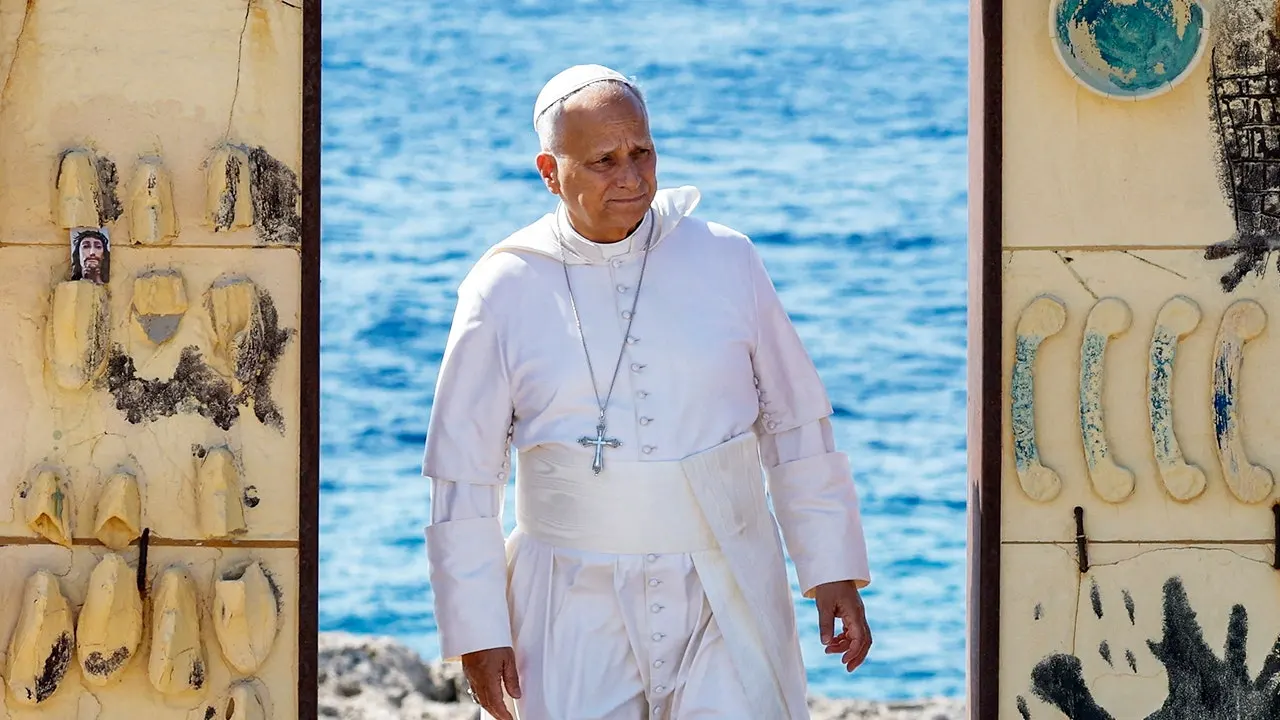
Almost immediately after delivering his address to the Philadelphia audience, Pope Leo traveled to the Italian island of Lampedusa, a major maritime entry point for migrants crossing the Mediterranean from North Africa. Standing on the shores of this focal point of the European migrant crisis, the Pope issued another passionate plea for collective humanity. Drawing on the biblical parable of the Good Samaritan, he lamented the thousands of travelers who flee violence and poverty only to be exploited by human traffickers, beaten, and left half-dead. For many others, the dangerous journey ends in tragedy at sea. Pope Leo insisted that the memory of those who drowned must challenge the global conscience, demanding a compassionate response rather than turning a blind eye to those arriving in desperate need of aid.
The Pope delivered a stern critique of the systemic failures that drive the migration crisis, pointing to corruption, global economic inequality, and apathy in wealthier nations. He warned against the paralysis of indifference, noting that those who perish at sea are victims of both active political hostility and passive neglect. He challenged the developed world to look past fear, prejudice, and short-sighted emergency management, urging leaders to transition toward comprehensive, long-term strategies. In a poignant observation, he lamented how tourists on holiday often seek to build “invisible walls” to separate their leisure from the suffering of shipwrecked migrants nearby. He challenged vacationers and citizens alike to find the courage to think differently and acknowledge their shared humanity.
Pope Leo specifically called upon Europe to utilize its robust geographical and institutional advantages to address the crisis holistically. He envisioned a comprehensive framework that integrates immediate emergency relief with a long-term strategic plan designed to receive, protect, support, and fully integrate arriving migrants. At the same time, he emphasized the necessity of assisting developing nations to improve local conditions so that no one feels forced to flee their homeland in the first place. By advocating for a balanced approach of humanitarian aid and sustainable development, the Pope sought to offer a practical, morally grounded blueprint for international cooperation.
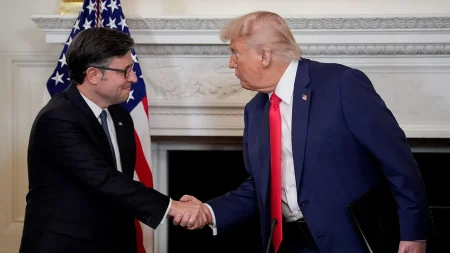
However, the Pope’s unwavering stance on migration and global peace has sparked significant political friction, particularly with conservative leaders in the United States. President Donald Trump has openly criticized Pope Leo’s foreign policy approach as “weak” and “terrible,” while Vice President JD Vance, a high-profile Catholic convert, has also expressed public disagreement with the pontiff’s progressive rhetoric. Despite these political tensions, Pope Leo’s message remains steadfast. By appealing to the founding ideals of the United States and the universal values of human dignity, he continues to challenge leaders and citizens across the globe to rise above partisan divides and build a more merciful world.