


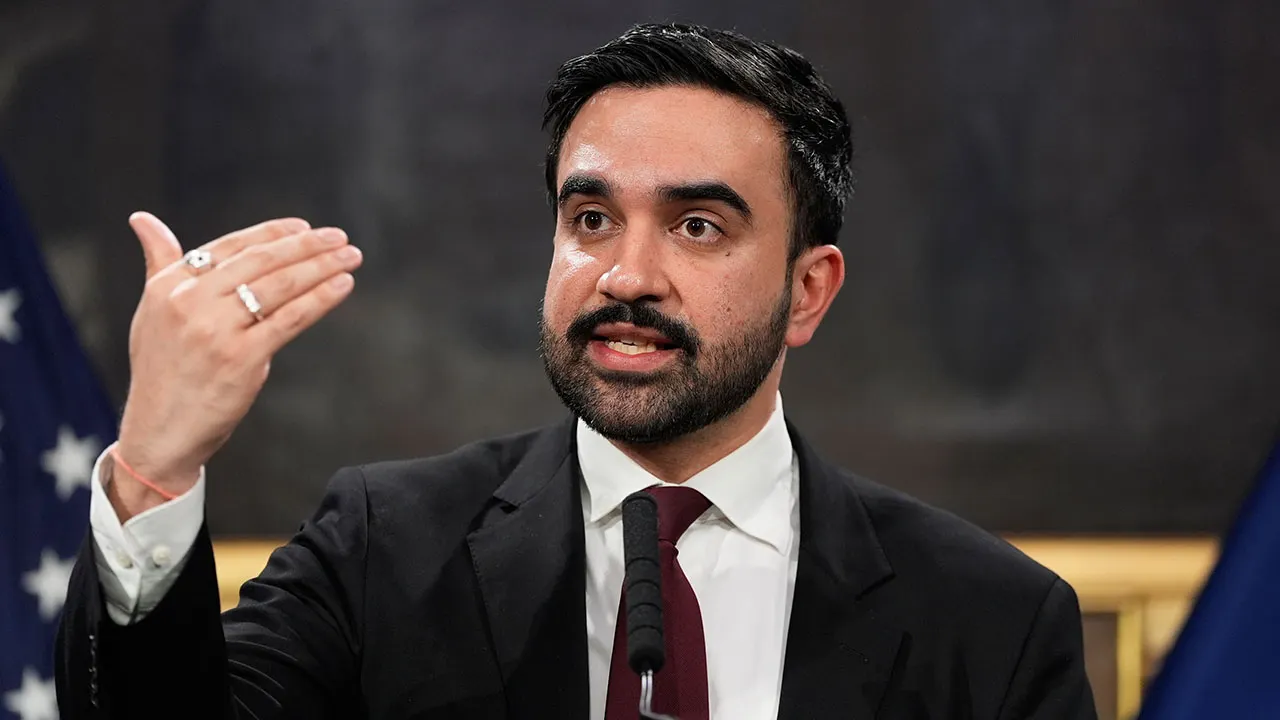
A sharp cultural conflict has ignited in New York City, pitting the mayoral administration of Zohran Mamdani against the city’s historic Italian-American community. The controversy erupted after Little Italy was completely omitted from a “New York City Immigrant Enclaves” tourism map created for the upcoming 2026 FIFA World Cup. Designed by New York City Tourism + Conventions and promoted by the Mayor’s Office of Immigrant Affairs as part of a “Neighborhood Passport” campaign, the map showcases thirty diverse immigrant communities, including Chinatown, Little Palestine, and Little Haiti. However, the total exclusion of one of the city’s most iconic historic neighborhoods has sparked intense outrage from heritage advocates who view the decision as a deliberate snub.
Leading the charge against City Hall is the Italian American Civil Rights League (IACRL), which has publicly accused Mayor Mamdani’s administration of trying to systematically erase their community’s historical contributions. In a fiery statement on social media, the league tied the map omission to previous administrative grievances, such as a denied permit for a planned “Unity Day 2026” celebration. The group’s social media rhetoric quickly escalated to include highly charged personal attacks against the progressive mayor’s background, drawing a hard line against Mamdani’s self-described democratic socialist political platform and accusing his office of prioritizing “fashionable progressive constituencies” over the foundational communities that physically built the city.
For Italian-Americans, the omission feels like a betrayal of a profound historical legacy. IACRL President Mike Crispi expressed deep frustration, arguing that while city politicians are quick to exploit Italian food, culture, and neighborhoods for photo opportunities and campaign fundraisers, they refuse to grant the community formal recognition when it counts. Crispi described Little Italy as “sacred ground” representing the tireless struggles of millions of early immigrants. Between 1880 and 1924, more than four million Italians arrived in the United States, with a third of them settling in New York City, establishing what would become the metropolis’s largest immigrant demographic of the early twentieth century.
This latest clash is part of a much longer, deeply personal feud between Mayor Mamdani and local heritage groups. Tension has simmered since 2020, when Mamdani—then a state assemblyman—posted a controversial photo of himself gesturing offensively at a Christopher Columbus statue in Queens, a symbol highly revered by some Italian-Americans but condemned by progressives. The administration’s focus on newer immigrant groups, combined with its strong pro-sanctuary and progressive Palestinian rights stances, has repeatedly alienated older, more traditional European-immigrant advocacy groups who feel pushed to the political and cultural margins.
Interestingly, while the Italian-American community has been the loudest to protest, the World Cup tourism map also raised eyebrows for omitting other historically significant New York immigrant groups, including Irish and Jewish enclaves. The selective framing of what constitutes a modern “immigrant enclave” highlights the tricky cultural tightrope of urban representation. By focusing on more recent arrivals to the city, critics argue that City Hall has inadvertently minimized the legacy of the European diasporas that heavily shaped New York’s infrastructure, neighborhood layouts, and cultural DNA over the last two centuries.
As the 2026 World Cup approaches, the tourism map controversy has quickly evolved from a simple marketing dispute into a highly charged debate over identity, heritage, and political representation in New York. While neither the Mayor’s office nor the IACRL has resolved the dispute, the backlash ensures that the struggle over who gets to define the immigrant story of New York will remain a central debate. For the city’s Italian-Americans, the fight is not just about a spot on a tourist map; it is about protecting their hard-earned legacy from being quietly erased from modern civic life.