


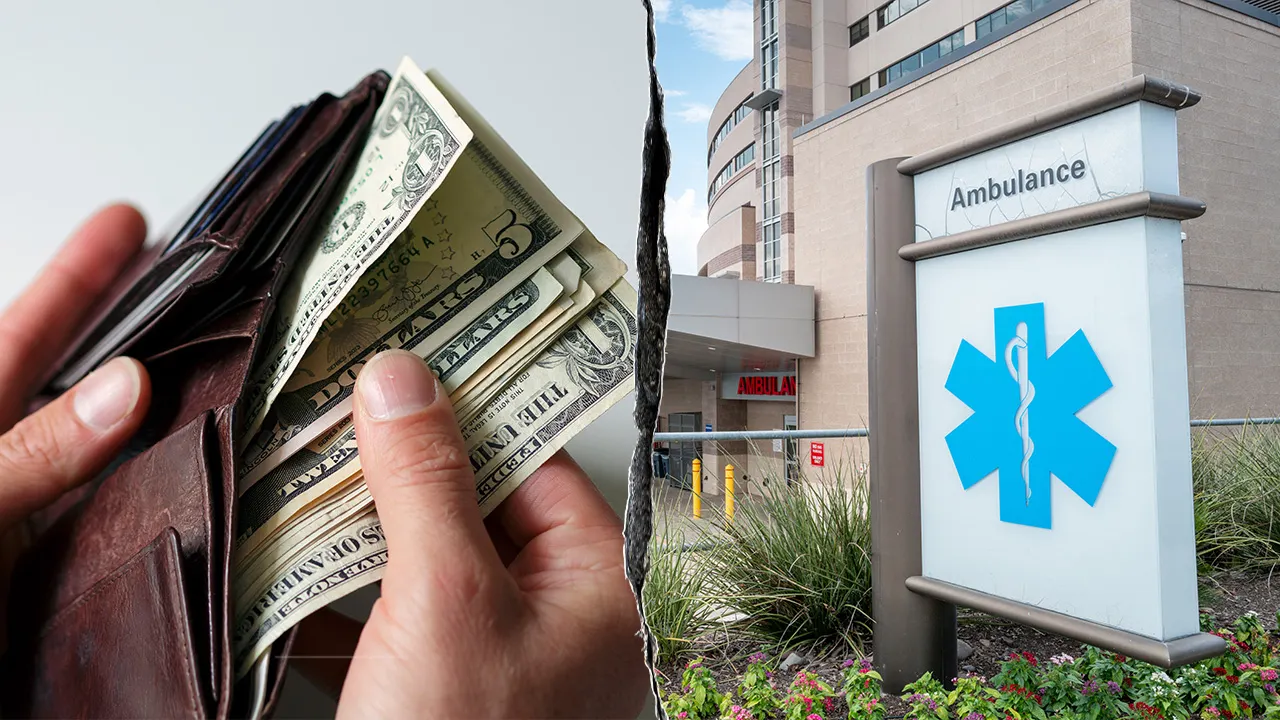
It’s easy to read a report about fraud and think only of numbers, but behind every dollar stolen from Medicare and Medicaid there is a far more human story—one about a sick grandmother waiting for a ride that never comes, a family struggling to find a trustworthy therapist for an autistic child, or a dying patient whose final days are treated as a business opportunity. A new report from the House Energy and Commerce Committee pulls back the curtain on how deeply fraud has infected America’s taxpayer-funded healthcare programs, and the stories it tells are both absurd and heartbreaking. Medicare and Medicaid are supposed to protect the most vulnerable among us—the elderly, the disabled, children, and pregnant women. Instead, the report warns, these programs are being “rife with vulnerabilities” and exploited at every level, costing taxpayers billions every year. It describes patients suffering from identity theft, long waiting lists, and substandard care, all because criminals have learned how to game a system that was designed to help. The fraud isn’t a victimless crime; it steals resources from real people who depend on these programs to survive, and it erodes the trust that keeps the social safety net intact. From a Colorado ride-billing scheme that charged for transporting a dead patient, to stunning hospice clusters in Los Angeles, to international criminals filing fake medical equipment claims, the report paints a picture of a system under siege from all sides.
Perhaps the most jaw-dropping example comes from Colorado, where a resident named Wesam Yassin was charged with trying to steal hundreds of thousands of dollars by billing Medicaid for non-emergency medical transportation—the kind of service that helps patients get to doctor’s appointments. Yassin ran a company called Sama Limo and, according to prosecutors, submitted roughly $3.3 million in suspicious claims to Colorado’s Medicaid program. Among those claims were charges for 64 rides for a single patient totaling $283,000, which works out to more than $4,000 per trip. To put that in perspective, even the most expensive ambulance ride in the country rarely reaches those heights. But the truly chilling part is that about $165,000 of those charges were submitted after the patient in question had already died. Billing a government healthcare program for shuttling a corpse to medical appointments is not just fraud; it’s a ghastly reminder of how detached these schemes become from the human beings they exploit. The money from Yassin’s alleged scheme, federal prosecutors said, was used to buy a home, expensive furnishings, luxury cars, jewelry, and even cosmetic surgery. In a separate Colorado case, Ashley Marie Stevens was accused of trying to bilk the state for over $1 million, including roughly $400,000 in claims for non-medical rides for herself and her family, plus “ghost rides” that never happened at all. These cases illustrate how ordinary greed can twist a compassionate program into a personal piggy bank, while actual sick people are left waiting or forced to miss appointments altogether.
The report also turned a spotlight on Los Angeles County, where hospice care—meant to provide comfort and dignity to the dying—has become a breeding ground for suspicion. Investigators observed nearly 500 hospices operating within a three-mile radius in L.A. County. Along Van Nuys Boulevard alone, there were 137 hospices, and 89 different companies were registered to a single address in Van Nuys. Let that sink in: almost a hundred end-of-life care providers supposedly operating out of one building. The numbers are so ridiculous that they would be funny if they weren’t so tragic. According to the report, L.A. County had more than 31 percent of all hospice agencies in the United States in 2022, which is wildly disproportionate to its population. In January 2022, the California Department of Public Health placed a freeze on new hospice licenses to try to stop the bleeding. Yet despite that moratorium, the report found that 15 new hospices—all located in a single Los Angeles County building—still received Medicare certification in 2023. Hospice fraud is particularly insidious because it targets people at the end of their lives, when they are least able to advocate for themselves. Family members are often overwhelmed and grieving, and they trust providers to deliver compassionate care. Instead, these shady operations bill Medicare for expensive services that are never provided, or provide such low-quality care that patients suffer. The result is that money meant for pain management, counseling, and comfort is siphoned away, leaving vulnerable people to die in conditions that are far beneath the standard they deserve.
The report also connects these domestic scams to international criminal networks, showing that healthcare fraud is no longer just a local problem. House Republicans highlighted allegations from 2024 involving years-long, large-scale schemes that targeted as much as $3 billion in American taxpayer dollars through fake claims for urinary catheters. According to the report, members of Russian organized crime groups bought 30 small medical supply companies that were already enrolled in federal healthcare programs, then used those legitimate-looking businesses to bill Medicare nearly $11 billion for urinary catheter supplies. More than 99 percent of those funds were blocked before they went out the door, which is a testament to the fraud prevention efforts already in place, but it also raises a terrifying question: how much actually got through? Similar schemes were uncovered in Estonia, Pakistan, Georgia, and Hong Kong, all involving attempts to tap into the vast wealth of the U.S. healthcare system. The fact that foreign criminals see Medicare as an easy target is a national security issue, not just a budgetary one. Every dollar that these networks try to steal is a dollar that could have gone to paying a nurse’s salary, purchasing a wheelchair, or keeping a rural hospital open. When international crime syndicates are able to register bogus companies and submit billions of dollars in claims using stolen or fabricated patient information, it puts every American at risk—not just as taxpayers, but as potential victims of identity theft and medical record fraud.
Minnesota offered another painful example, this time involving autism therapy—a service that can be life-changing for children on the spectrum and their families. The report highlighted the case of Abdinajib Hassan Yussuf, who pleaded guilty to attempting to defraud $6 million from a Minnesota autism therapy program paid for by state Medicaid dollars. Yussuf and his co-defendants hired unqualified people to work as behavior counselors, meaning that vulnerable children were being “treated” by individuals with no real training or expertise. To make matters worse, they allegedly bribed parents to enroll their children in the program, turning kids into billing opportunities rather than patients in need of help. During his plea hearing, Yussuf admitted something stunning: he did not actually know anyone with autism. That single confession reveals the cold-blooded nature of these fraud schemes. The people behind them don’t care about the condition, the children, or the families. They only see a stream of government money and a system too overwhelmed to ask tough questions. For parents who desperately sought help for their children, discovering that the therapist was unqualified and that their child was just a pawn in a fraud scheme is a betrayal that cuts deep. It also does real damage to the broader autism community, because every fraudulent claim makes it harder for legitimate providers to get paid quickly and for families to find trustworthy services.
In the end, what ties all these stories together is a simple truth: healthcare fraud is everywhere, and it is stealing from all of us. House Energy and Commerce Committee Chairman Brett Guthrie put it plainly when he told Fox News Digital that “combating fraud is a coast-to-coast battle.” He added, “Every instance of fraud we uncover represents money stolen from taxpayers and care taken away from the patients who depend on it most.” Those words should resonate far beyond Washington. They should remind us that Medicare and Medicaid are not abstract government programs; they are lifelines for millions of Americans. When criminals bill for rides for dead patients, register dozens of phony hospices in a single building, or use stolen identities to file billions in fake claims, they are not just breaking the law—they are hurting real people. The elderly lose access to home health aides. Disabled individuals wait longer for equipment. Children with autism are treated by people who have no idea what they’re doing. The fight against fraud requires vigilance from federal agencies, state prosecutors, local law enforcement, and ordinary citizens who notice suspicious billing patterns. But it also requires a cultural shift, one that recognizes that every dollar lost to fraud is a dollar taken from a vulnerable neighbor. The report is a wake-up call, and the only way to answer it is to treat healthcare fraud as the serious, personal, and deeply human crime that it truly is.