



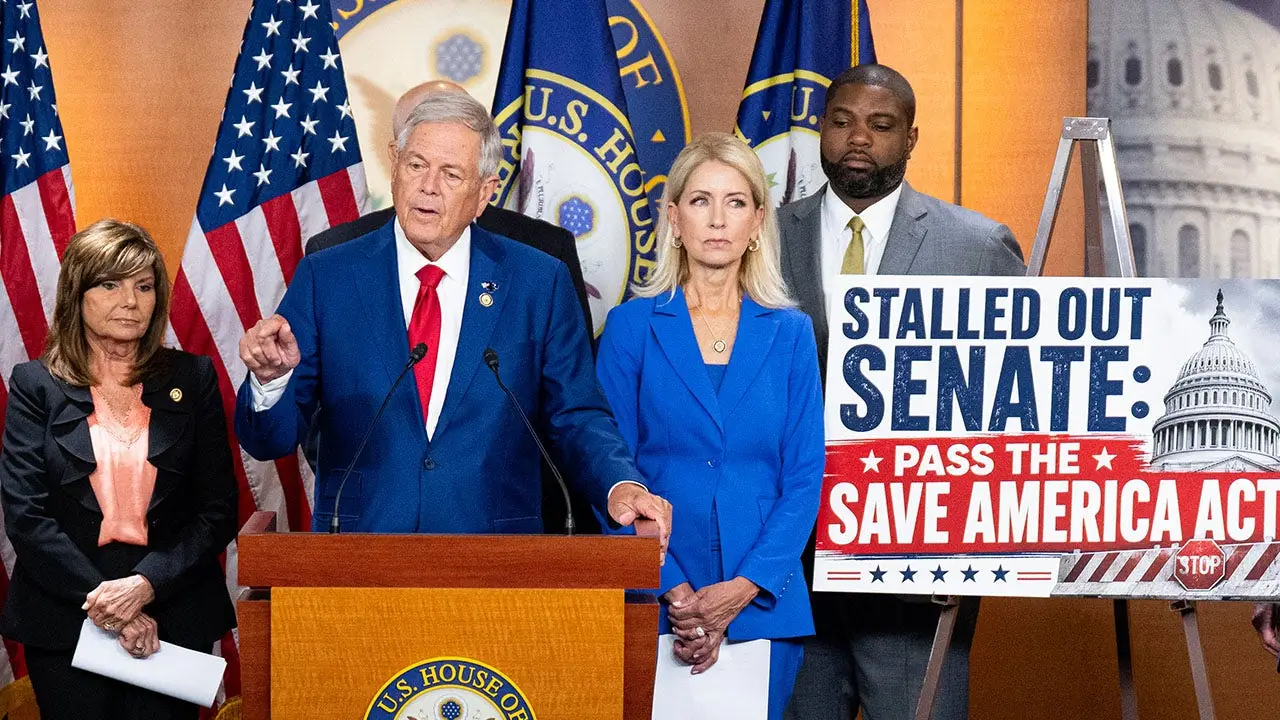
Washington politics has long been a theater of high-stakes leverage, but the latest drama unfolding on the House floor feels less like a strategic negotiation and more like a self-inflicted wound. A group of staunch conservative rebels, spearheaded by Florida Representative Anna Paulina Luna, has ground the legislative chamber to a sudden and screeching halt. Their weapon of choice? Blocking routine procedural votes—the very grease that keeps the wheels of Congress turning. Their demand is simple: they want the Senate to immediately take up and pass the SAVE America Act, a controversial election integrity bill aimed at safeguarding voter ID requirements. But as the floor fell silent and scheduled votes were abruptly canceled, frustration within the Republican conference boiled over. For many lawmakers, watching their own colleagues paralyze the House in an attempt to bully the Senate felt less like a principled stand and more like a tactical disaster that threatens to derail their entire legislative agenda.
The strategy, bold as it was, seemed to crumble almost immediately upon contact with reality. Instead of bowing to the pressure, the Senate simply went ahead with its scheduled recess, leaving Washington behind and leaving the House rebels holding an empty bag. With the Senate gone and the House floor completely frozen, the SAVE America Act was left no closer to becoming law, while several critical bills were pushed into legislative limbo. To those outside the hardline bubble, the maneuver looked like a classic case of legislative overreach with no backup plan. It exposed a deep, tactical disconnect within the party: while a fiery minority wanted to draw a hard line in the sand over election security, the vast majority of House Republicans were left wondering why they were locking their own doors when the storm was still miles away.
The internal backlash was swift, personal, and deeply revealing of a party at war with itself. Lawmakers who usually try to present a united front to the public didn’t hold back their disgust. Representative Nicholas Langworthy of New York openly lamented the “mess,” warning that this brand of self-induced paralysis leaves a heavy, sour taste in the mouths of voters who just want to see a functioning government. Others, like Iowa’s Mariannette Miller-Meeks, pleaded for basic teamwork, reminding her colleagues that keeping their razor-thin majority hinges on actually passing laws rather than staging theatrical blockades. The sentiment across the mainstream conference was clear: by refusing to govern, these hardliners were handing their political opponents a golden narrative of Republican incompetence right before a crucial election cycle.
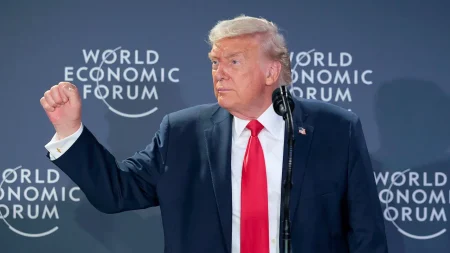
Even former President Donald Trump, usually a fan of disruptive political theater, seemed to realize his allies had pushed things too far this time. Following a meeting with House Speaker Mike Johnson, Trump took to social media to urge the rebels to stand down and “stop grandstanding.” Yet, despite the directive from their de facto leader, it remains unclear whether the rebellious faction will fall back into line when lawmakers return. Representative Luna has already floated a backup plan that has mainstream Republicans sweating: attaching the SAVE America Act to next week’s massive, must-pass annual defense authorization bill. It is a high-risk gamble that mainstream defense hawks warn could easily sink the entire military funding package, especially in a Senate where leadership insists the votes for the voter ID bill simply do not exist.
Meanwhile, the finger-pointing between the two congressional chambers has devolved into a bitter game of political hot potato. While House hardliners like South Carolina’s Ralph Norman and Florida’s Byron Donalds lambasted the Senate’s departure as lazy and “disgusting,” Senate Republicans were quick to throw the criticism right back. A Senate GOP aide pointed out the hypocrisy of the situation, noting that the House rebels have spent more time obsessing over a chamber they don’t even belong to than passing Donald Trump’s actual, more comprehensive version of the voter bill. This internal finger-pointing reveals a deeper psychological divide within the party, where the desire for symbolic victories on cable news regularly clashes with the quiet, grueling work of building consensus to pass actual legislation.
As the clock ticks down toward the fast-approaching midterms, Republicans have very little cushion left, with fewer than thirty scheduled legislative days remaining to fund the government and secure their priorities. While the GOP remains paralyzed by its own internal civil war, Democrats are watching the chaos with quiet amusement and a sense of political vindication. Some are even boasting that they are managing to get more done from the minority than the fractured Republican majority can manage on its own. Ultimately, this stand-off is about much more than just a voter ID bill; it is a vivid illustration of a party struggling to answer a fundamental question: is it better to fight a losing, loud war for the sake of the base, or to do the messy, compromise-heavy work of keeping the country running? How they answer that question in the coming weeks will likely decide who holds the gavel next year.