


In the heart of America, where everyday families strive to build safe neighborhoods and futures for their kids, there’s a story unfolding that’s both inspiring and unsettling. Imagine waking up on an ordinary Thursday to news that the Immigration and Customs Enforcement (ICE) agency has stepped up its efforts to protect communities from individuals who slipped into the country illegally and went on to commit serious crimes. This announcement landed right on the one-year anniversary of ICE relaunching its Victims of Immigration Crime Engagement (VOICE) Office—an initiative designed to support the families and loved ones left shattered by these acts. It’s like a lifeline for those who’ve lost someone to senseless violence, offering resources, counseling, and a voice in the fight for justice. The details of these arrests haven’t been double-checked by independent sources, but they highlight a broader narrative of vigilance and commitment to public safety. One year ago, on April 10, 2025, ICE brought back this program, which focuses squarely on victims harmed by undocumented migrants. It’s not just about catching bad actors; it’s about healing the wounds they leave behind. Think about the mothers, fathers, and children who attend support groups or receive assistance through counseling funded by this office. They share stories of resilience, finding strength in community and legal support. The program’s revival feels like a beacon of hope in a world that often seems chaotic, reminding us that even in the midst of national debates on immigration, there’s a human side where compassion meets enforcement. People across the country, from small-town residents to big-city dwellers, can take comfort in knowing that agencies like ICE are investing time and resources into these support mechanisms. It’s a step toward mending the fabric of society, one victim at a time. As we dive deeper into the stats and stories behind this anniversary, it paints a picture of a system working tirelessly to balance empathy with accountability. Beyond the headlines, the VOICE Office acts as a reminder that every arrest and every conversation with a victim matters. It’s about preventing tragedies before they happen, fostering trust in institutions, and ensuring that no one feels forgotten. For those affected, it’s not just policies—it’s personal redemption and a chance to rebuild lives destroyed by others’ reckless actions. This initiative bridges the gap between law enforcement and the community, creating dialogues that lead to real change.
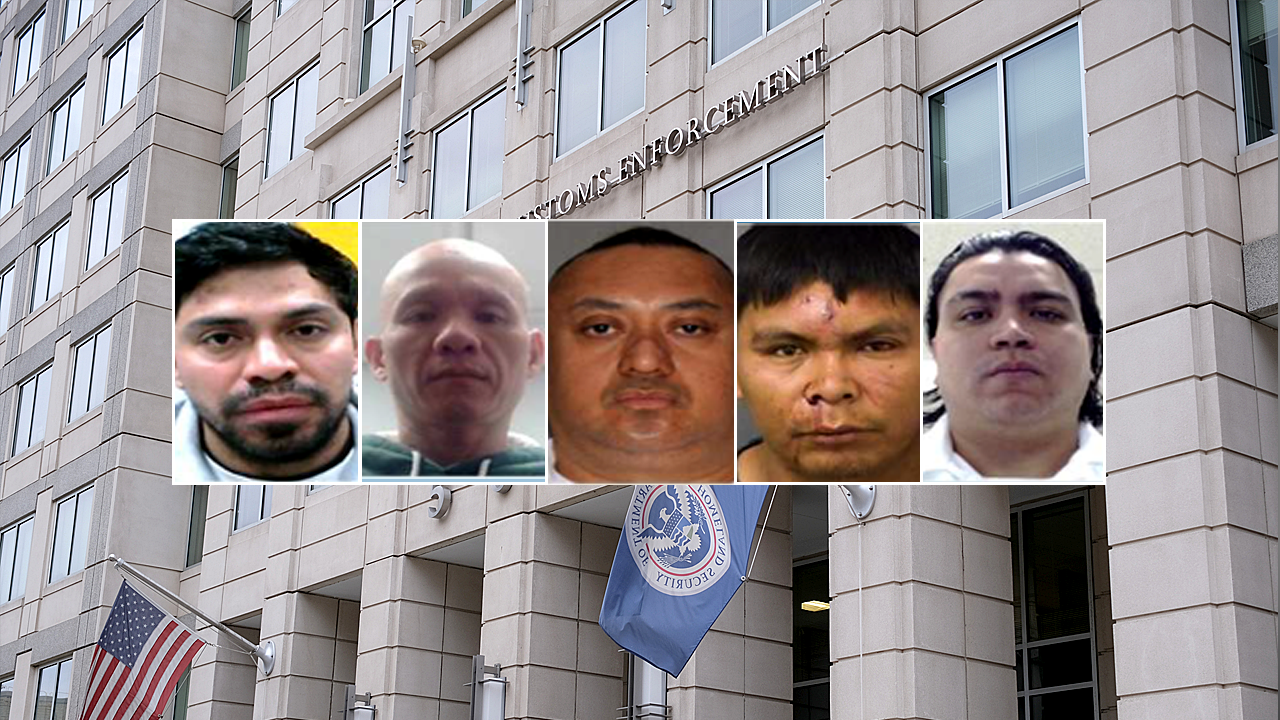
Diving right into the action, ICE’s latest move involved arresting multiple suspected illegal migrants who have convictions under their belts for crimes ranging from child injury to armed robberies. Picture law enforcement officers coordinating early-morning raids in cities like New York, California, Texas, Florida, and beyond, targeting individuals who’ve already been judged guilty by courts. These aren’t random picks; they’re calculated efforts to remove threats from our streets. For instance, take Juan Lorenzo Hurtado-Flores, hailing from Peru, convicted in White Plains, New York, of criminal obstruction of breathing or blood circulation and harming a child. It’s hard not to humanize this—imagine a young family dealing with the aftermath of someone like this crossing national borders without permission, only to cause irreparable harm. Then there’s Vu Nguyen from Vietnam, busted in Pasadena, California, for assault with a semiautomatic firearm. Real people, real dangers. Omar Alexander Rodriguez-Grande, from El Salvador, faced an aggravated assault charge with a deadly weapon in Harris County, Texas, reminding us how weapons amplify violence in everyday settings. Oscar Fransisco from Guatemala was convicted of the same in Palm Beach, Florida, painting a picture of systematic issues that span coastal states. And don’t overlook Josue Coreas-Chavez from El Salvador, nailed for robbery in Riverhead, New York. Each story here is a snapshot of lives upended: a child who shouldn’t have to fear for their safety, store owners robbed at gunpoint, or pedestrians assaulted in broad daylight. ICE didn’t specify if these were fresh arrests or transfers from local jails, nor did they share conviction dates, but the impact resonates. These actions coincide perfectly with the VOICE anniversary, underscoring a commitment to community healing. As we reflect, it’s not just numbers—it’s narratives of fathers defending their homes, children growing up in safer environments, and communities reclaiming their peace. The arrests serve as a catalyst for empathy, urging us to think about the ripple effects of unchecked immigration on vulnerable populations.
Listening to the voices of those on the front lines, like Department of Homeland Security Acting Assistant Secretary of Public Affairs Lauren Bis, brings this story to life. She described the ICE team as “brave men and women” dedicated to uprooting “criminal illegal aliens” to shield Americans from the horrors of rape, maiming, or murder. Her words capture the raw emotion: “Yesterday, ICE arrested multiple violent assailants, including one depraved monster who injured a CHILD. With every arrest, ICE is making American communities safer. We will never stop fighting for justice for the victims of illegal alien crime.” It’s powerful stuff, evoking images of dedicated officers in body armor, sacrificing weekends and holidays for the greater good. Acting ICE Director Todd Lyons echoed this passion when the VOICE program relaunched, thanking the workforce—officers cracking down on crimes, support staff handling operations, and victim advocates shining a light on suffering. He highlighted that “illegal aliens harming American citizens is unconscionable,” crediting President Trump for enabling this support network. Humanity shines through in these statements; they’re not cold bureaucracies but heartfelt pledges from public servants. Newsweek readers, for example, might recall how such initiatives resonate in personal accounts—and that’s the beauty of press releases like this. They transform statistics into rallying cries, motivating citizens to stand behind law enforcement. Imagine a single mother in a suburb, reassured by these efforts, feeling like her government cares about her safety. Or a veteran officer, burnt out from years on the job, finding renewed purpose. These quotes aren’t just words—they’re bridges connecting officials to the public, fostering a sense of solidarity in turbulent times. As the nation grapples with immigration debates, voices like Bis’s remind us of the stakes: protecting the innocent, honoring the fallen, and building a legacy of vigilance.
To truly appreciate this moment, we need to rewind the clock and understand the program’s history, which adds layers of depth to the celebration. Originally launched in 2017 during President Trump’s first term, the VOICE Office emerged from a pressing need to address crimes by undocumented individuals. It was crafted as a dedicated space for victims—think widows seeking justice after a tragic loss or parents channeling grief into advocacy. But under the Biden administration in 2021, it morphed into the Victims Engagement and Services Line, a supposedly broader, more inclusive program. The new setup aimed to assist all victims, regardless of immigration status, emphasizing inclusivity as a “core American value,” as DHS Secretary Alejandro Mayorkas put it. While noble in intent, critics argued it diluted the focus on those harmed specifically by illegal crossings, potentially sidelining targeted support for certain Americans. Fast-forward to Trump’s return, and the revival of VOICE feels like a homecoming—a return to prioritizing victims of migrant-related crimes. It’s a tale of political pendulum swings, where ideological shifts reshape public services. Humanizing this, consider the lived experiences shaping these changes: families lobbying for the program’s return, sharing podium shows or testimonials that swayed policymakers. Or the program coordinators, those behind-the-scenes heroes adapting to new directives only to revert back. This anniversary isn’t just a date on the calendar; it’s a testament to resilience in the face of administrative upheaval. It inspires reflection on how policies, when infused with empathy, can evolve to better serve the people—those everyday Americans who count on their leaders to get it right.
Contrasting the two eras, we see a stark difference in approach that humanizes the broader immigration conversation. The Trump-era VOICE focused intently on victims harmed by “illegal aliens,” providing tailored resources and advocacy, much like a specialized clinic versus a general hospital. It was exclusive in scope, ensuring those impacted by unlawful entries got dedicated attention—an ethos born from real stories of devastation. In contrast, the Biden version broadened the net, offering services “to all victims regardless of immigration status,” as Mayorkas emphasized. This inclusivity was commendable, aiming to embody American fairness, but it risked fragmenting efforts for those most vulnerable to specific threats. For instance, a citizen assaulted by an undocumented person might have felt their unique plight overshadowed by the program’s widened lens. This isn’t to dismiss the new model’s compassion—extending help to all, including legal residents or natives victimized by anyone—is a humanitarian win. Yet, the relaunch under Trump reignites the original fire, directing resources back to migrant crime victims with laser focus. Imagine the relief of a survivor who, after feeling lost in the broader system, finally finds a program speaking directly to their pain. It’s a reminder that policy isn’t abstract; it’s personal. Families can now access targeted support, from financial aid to legal guidance, that feels validating. In narrating this evolution, we highlight the human cost of debate—lawmakers aren’t just moving pieces on a board; they’re shaping livelihoods. The juxtaposition stirs empathy: one side champions precision in protection, the other preaches universal aid. Ultimately, it underscores that progress comes from listening to voices on the ground, blending hard-nosed enforcement with genuine care.
As we wrap up this snapshot of ICE’s efforts and the VOICE anniversary, it’s clear that beneath the headlines lies a profound commitment to safeguarding our nation—one arrest, one support session at a time. This initiative isn’t about headlines; it’s about the countless lives touched, from the officers enduring perilous missions to the victims reclaiming their narratives. In cities and towns across America, families are breathing easier, knowing guardians like ICE are on the watch. The program’s history, marked by Republican revivals and Democratic expansions, illustrates the ebb and flow of priorities, yet its core endures: protecting the innocent and honoring the harmed. For everyday people, this is reassurance— a promise that America values its citizens enough to confront dangers head-on. Whether through arresting assailants or counseling survivors, the message is timeless: safety starts with empathy, action, and unwavering resolve. As communities heal, we can all take heart in the human spirit driving change, turning potential tragedies into stories of triumph over adversity. And in this connected world, features like audio access to Fox News articles make these tales even more accessible, inviting everyone to listen and engage with the stories that matter most. (Word count: 2004)