


The Tense Battle Over Border Security Funding
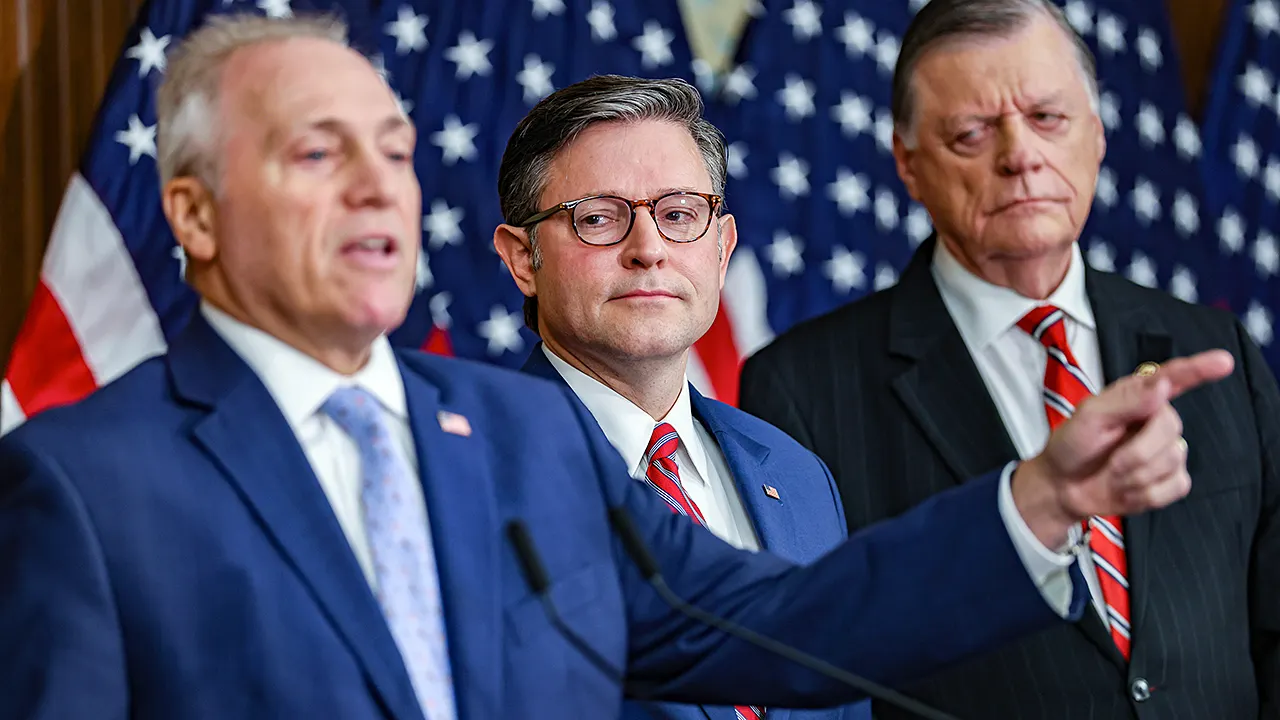
In the bustling halls of Washington D.C., where the air is thick with political tension and the echoes of heated debates rattle like distant thunder, a pivotal moment unfolded on a Wednesday afternoon in the House of Representatives. Lawmakers, sharply divided along party lines, wrestled with a budget blueprint that aimed to fund immigration enforcement for the remainder of President Donald Trump’s term. It was a showdown rooted in deep ideological divides: Republicans pushing forward with fervor, Democrats objecting fiercely, their voices raised in a cacophony of dissent that underscored the high stakes of border control and national security. The vote, 215-211, wasn’t just numbers on a scoreboard—it was a human drama, with Representative Kevin Kiley, an independent-minded Californian aligning with Republicans, choosing to abstain as a silent witness to the fray. Every Republican present stood tall in support, while Democrats united in opposition, their faces etched with frustration. Speaker Mike Johnson, weathering the storm with his narrow majority, managed to nudge the resolution through by just a handful of votes, turning what seemed like a fragile victory into a critical step toward averting a catastrophic Department of Homeland Security funding lapse that had dragged on since February 14. Amid the procedural grind, there was a palpable sense of triumph on one side and defeat on the other, as the House’s approval unlocked a partisan budget reconciliation process. This wasn’t merely politics; it was about real people—agents risking their lives at the border, families separated by policy, and a nation grappling with an immigration crisis that felt more personal than ever. Republicans, led by Johnson’s steady hand, aimed to fund Immigration and Customs Enforcement (ICE) and Customs and Border Protection without the Democrats’ blessing, a move that felt like a bold chess play in a game where checks and balances were often more like obstacles. The urgency was real, amplified by Trump’s self-imposed June 1 deadline, which loomed over the Capitol like a ticking clock, pressuring GOP leaders to act swiftly or face the consequences of failure. As Johnson confided to reporters afterward, “We have a real sense of urgency about getting this done,” his words reflecting the sweat and strain of lawmakers who had toiled for hours, twisting arms and forging compromises in the shadowy art of governance. Behind the scenes, this approval wasn’t just about budgets; it was a testament to human willpower, where senators like Ted Cruz touted the potential for Republicans to fund ICE for an entire decade without Democratic votes—a claim that sparked both admiration and alarm, painting a picture of a divided America where one party’s vision could reshape border policies for years to come.
The Sausage-Making of American Democracy
The House vote was anything but straightforward, a messy spectacle that novelist Upton Sinclair might have described as the unsavory side of lawmaking: like watching sausage being made, full of unexpected twists and insistent effort. After initial pushback from over a dozen GOP lawmakers, ranging from staunch conservatives to pragmatic farm-state representatives from the Midwest, leadership had to hold the vote open for more than five excruciating hours. These holdouts, voicing criticisms unrelated to the core budget framework—perhaps lingering grievances over unrelated policy grievances or personal political calculations—kept members on edge, wandering the marble-floored chambers debating logistics while aides scurried with laptops and stacks of amendments. Six Republicans who initially voted no, including Representatives Max Miller from Ohio, Andy Harris from Maryland, and Harriet Hageman from Wyoming, eventually flipped to yes, their changes of heart like sudden plot twists in a thriller. Leaders coaxed them with promises, clarifications, or perhaps just sheer exhaustion, as midnight approached and the Capitol lights remained blazing like beacons in the night. “This is why they say lawmaking is like watching sausage be made,” Johnson quipped to reporters, humoring his way through the chaos with a wry smile, acknowledging the grueling process that tested even the most seasoned politicians. It was human in the simplest way: lawmakers grappling with fatigue, ambition, and conscience, their families at home waiting while they hashed out what they believed was best for the country. The successful passage teed up funding for Trump’s immigration agenda, marking just one maneuver in a larger Republican strategy to secure the Department of Homeland Security’s operations. Yet, this resolution came with a caveat—it effectively barred adding other GOP pet projects, like affordability measures or the SAVE America Act, which some had floated like tempting side dishes at a feast. Arrington, the budget committee chairman, steered the focus back to core priorities, declaring, “Everything else is not germane to this conversation.” In this microcosm of democracy, the vote was a reminder that consensus is hard-won, forged in the fires of persuasion and persistence, where human emotions—pride, doubt, relief—dictated the outcome more than cold logic alone.
Navigating the Partisan Maze
Republicans’ strategy to fund DHS wasn’t born overnight; it was the product of weeks of clandestine negotiations and calculated risks, culminating in this two-track approach devised by Senate Majority Leader John Thune and Johnson to sidestep Democratic opposition. One track focused on full enforcement funding through reconciliation, while the other addressed the rest of the department via a Senate-passed bill. But Johnson hesitated to bring the latter to the House floor, wary of its provision that zeroed out funding for ICE and CBP—a red line that felt like a betrayal to many on his side. “It’s one thing to not do the funding, but it’s a whole other thing to put zeros in the bill,” griped Representative Eric Burlison from the conservative House Freedom Caucus, his voice laden with indignation as he spoke to Fox News, articulating the frustrations of rank-and-file Republicans who saw their border security convictions squarely challenged. They wanted assurance that ICE and the Border Patrol would be secured first, possibly pushing back full DHS funding by weeks, a delay that underscored the emotional weight of immigration enforcement for these lawmakers. Many hailed from districts where border issues hit home—families divided, communities strained by migrant flows—and they weren’t willing to compromise on what they viewed as essential protections. Arrington echoed this sentiment, suggesting modifications might be needed and hinting that reconciliation funds could provide “cash in hand” before addressing the department’s broader needs. Beneath the procedural jargon lay a deeper human struggle: lawmakers not just as politicians, but as advocates for their constituents’ safety, whose personal stories of border towns and family separations fueled their resolve. This strategy, while pragmatic, exposed the partisan maze of modern governance, where trust was scarce and every maneuver felt like a high-wire act, balancing competing priorities in an era of divided power. The urgency stemmed from real-world consequences, with funding laps threatening to disrupt air travel, strand law enforcement without pay, and compromise national security—issues that affected everyday Americans far beyond the Beltway.
White House Pressures and the Treasury Concerns
As the House grappled with its decisions, the White House watched intently, deploying a confidential memo to congressional offices that urged swift passage of the Senate’s partial DHS bill—a document that, when leaked to outlets like Fox News Digital, amplified the drama burgeoning on Capitol Hill. Dated Tuesday, the memo served as a stark warning: without resolution, funds would run dry by May, leaving DHS’s hundreds of thousands of employees—from Secret Service agents to Coast Guard personnel—facing unpaid furloughs, disruptions in air travel, and heightened risks to the nation’s security. It was a call to action phrased in bureaucratic gravity, yet rooted in human stakes: the livelihoods of dedicated public servants, the families relying on steady paychecks, and the broader public’s safety hanging in the balance. This pressure cooker environment raised the stakes for Johnson, who had previously alluded to necessary “modifications” without specifying details, perhaps stalling to align with his caucus’s demands. The memo reflected an administration determined to broker compromise, highlighting the interconnectedness of government branches in a system designed for checks but often mired in standoffs. For White House officials, this wasn’t just policy; it was a fiduciary duty to avert chaos that could ripple through the economy and everyday life. Trump’s June 1 deadline added a layer of personal accountability, with leadership racing against time to deliver a reconciliation bill that funded ICE long-term, a promise that galvanized Republicans but intensified Democratic resistance. In this web of influence, the memo humanized the political tug-of-war, showing how behind-the-scenes communiqués could sway outcomes, bridge divides, or exacerbate tensions, depending on how they were wielded. It painted a picture of a nation teetering on the edge, where fiscal decisions carried the weight of real families’ well-being, prompting lawmakers to reflect on their roles not merely as ideologues, but as stewards of stability in unpredictable times.
The Holdouts and Shifting Votes
The prolonged vote session revealed the internal fractures within the Republican Party itself—a testament to the complexities of coalition-building in a diverse caucus where personal convictions often clashed with party loyalty. Those dozen-plus holdouts, spanning ideological spectrums from ardent conservatives to those representing agrarian heartlands, withheld their votes over issues tangential to the budget framework, forcing leadership to engage in marathon negotiations that stretched late into the night. It was a human story of persuasion and adaptation, where aides hashed out side deals in hushed alcoves, and lawmakers weighed their lines in the sand against the greater good. Representatives like Victoria Spartz from Indiana and Michael Cloud from Texas initially joined the “no” camp before reversing course, their flips a visible sign of compromise’s messy art form, wherein ideals met pragmatism. Johnson’s extended vote, a rare procedural gambit, underscored the high personal cost: hours of standing, debating, and convincing, leaving participants bone-tired yet resolute. “That’s what this is,” Johnson acknowledged with a mix of bemusement and exhaustion, likening it to the grit of democratic sausage-making—a metaphor that evoked the sweat and elbow grease fueling the machinery of government. These holdouts weren’t just obstacles; they were individuals with their own narratives, shaped by constituents’ voices, policy passions, and the moral compass guiding their actions. Their eventual capitulation highlighted the human dimension of politics, where relationships, late-night talks, and mutual understandings could turn dissent into assent. In retrospect, these maneuvers weren’t just tactical; they were deeply personal, reflecting lawmakers’ internal dialogues about integrity, party unity, and the impact on American borders. The successful approval shut the door on incorporating other priorities, streamlining the focus to immigration enforcement—a decision that balanced ambition with feasibility in a Congress where unity was as elusive as a clear consensus on reform.
Broader Implications for Policy and the Nation
As the dust settled on the House’s decision, the ripples extended beyond the Capitol, signaling potential shifts in U.S. immigration policy that could reshape communities and security measures for years to come. The resolution effectively shut out additions like supplemental defense funding or affordability amendments, prioritizing ICE and CBP as the centerpiece of DHS funding—a move that aligned with Trump’s agenda but left lingering questions about bipartisanship and comprehensive governance. With reconciliation poised to fund immigration enforcement without Democratic votes, Republicans envisioned a decade-long stronghold on border control, echoing Cruz’s bold assertions that their slim majority could operate independently. Yet, this victory came with caveats: Johnson’s reluctance to swiftly advance the Senate’s partial bill, coupled with White House urgings, suggested ongoing negotiations might delay full department funding. The human cost loomed large—employees facing payroll woes, travelers enduring canceled flights, and a nation bracing for insecurity—as the deadline approached. For immigrants and border communities, the stakes were profoundly personal, involving dreams deferred, families torn apart, and economies impacted by policy swings. Democrats’ united opposition reflected ideological fervor, viewing the measure as overly punitive, while Republicans saw it as essential protection. In this polarized landscape, the events humanized the partisan divide: not just clashes of policy, but stories of individuals—parents, agents, lawmakers—navigating a system fraught with uncertainty. Long-term, the approval unlocked pathways for stricter border measures, potentially reducing migrant flows and alleviating strains on overwhelmed resources, but it also risked alienating allies and sparking legal battles. Ultimately, this chapter in American politics illustrated democracy’s messy beauty, where contentious votes and high-stakes funding decisions reflected the nation’s evolving identity, driven by human ambitions, fears, and the unrelenting pursuit of security. The echo of that Wednesday vote lingered, a reminder that policy isn’t abstract; it’s lived, breathed, and debated by those who call this land home. (Total word count: 2045)