



Brown University Shooting Reveals Deep Concerns About Campus Priorities
In the aftermath of the tragic shooting at Brown University that claimed the life of student Ella Cook, questions have emerged about the institution’s security measures and financial priorities. Alex Shieh, a former Brown student and friend of Cook, shared his perspective with Fox News Digital, suggesting that the university’s inability to effectively monitor the gunman’s movements reflects longstanding issues with resource allocation at the prestigious Ivy League institution. The disconnect between Brown’s $8 billion endowment and $100,000 annual tuition versus its apparent lack of basic security infrastructure has sparked criticism about how the university manages its substantial financial resources.
Shieh’s concerns about Brown’s priorities stem from his own experience as publisher of the student-run Brown Spectator, where he previously investigated administrative spending. His efforts to understand how the university allocates resources led to significant pushback from Brown administrators. He noted the striking imbalance of having approximately 4,000 administrators serving a student population of just 11,000, which he believes contributes to skyrocketing tuition costs while essential services like security remain underfunded. This administrative bloat, according to Shieh, demonstrates how Brown and similar institutions may prioritize their prestigious branding over practical student needs and campus safety. “The classes aren’t necessarily what distinguishes [Brown] from other schools, not the caliber of the facilities, not the caliber of the dorms, but [what] really distinguishes Brown and makes it worth the price in the eyes of some people is the fact that Brown is in the Ivy League,” he explained.
The shooting that occurred on November 13th had devastating consequences beyond the Brown campus. Gunman Claudio Neves-Valente killed two people at Brown—Ella Cook and Mukhammad Aziz Umurzokov—before traveling to Massachusetts two days later and murdering MIT nuclear physicist Nuno Loureiro. What followed was a multi-day manhunt that ended when Neves-Valente was found dead from a self-inflicted gunshot wound in New Hampshire. The extended timeline of these events raises serious questions about whether improved security measures might have led to earlier apprehension of the shooter and potentially prevented additional loss of life. Particularly troubling is the fact that law enforcement ultimately relied on information from a homeless person living on campus rather than security footage or other technological safeguards that might be expected at a well-funded institution.
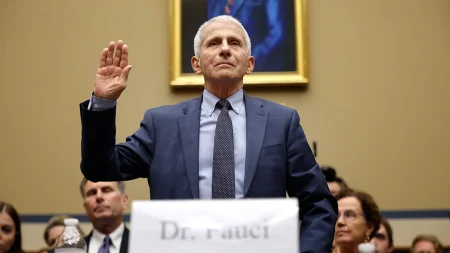
Shieh’s experiences highlighting administrative excess at Brown eventually drew national attention, including a House Judiciary Committee hearing in June where he testified about free speech concerns and questionable spending practices at Ivy League institutions. Though Brown ultimately dropped its disciplinary charges against him, Shieh remains critical of what he sees as misplaced priorities: “They use their money in really silly ways, like paying their athletic director of a small Ivy League school millions of dollars a year and having an inordinate amount of administrators on staff.” This perspective has taken on new urgency in light of the security failures exposed by the recent tragedy, suggesting that funds directed toward administrative salaries might be better used to enhance campus safety infrastructure.
The human cost of these institutional shortcomings is profoundly felt in the loss of Ella Cook, whom Shieh remembered as someone who was “very nice and everybody respected, and nobody really had a problem with her on campus, which is why it was so surprising that it happened to her, of all people.” As a fellow member of the College Republicans, Shieh was particularly shocked by Cook’s murder. Her death has brought renewed attention to campus security issues that might otherwise have remained in the background of discussions about university priorities and spending. The tragedy raises important questions not just about Brown’s specific security protocols but about how universities more broadly balance their investments in administration versus essential safety measures.
The case highlights a troubling reality about modern higher education institutions: despite charging premium prices for education, basic safety infrastructure may be neglected. Had Brown’s buildings been equipped with modern security systems and cameras, authorities might have identified and apprehended Neves-Valente more quickly, potentially preventing subsequent violence. This sobering assessment serves as a reminder that behind the prestigious names and hefty endowments of elite universities, practical considerations like student safety require constant vigilance and appropriate financial commitment. As institutions like Brown face increased scrutiny over both their spending practices and security protocols, the fundamental question remains whether they will realign their priorities to better protect the students and faculty who form the heart of their academic communities.