


A Bold Stance Amid Growing Concerns
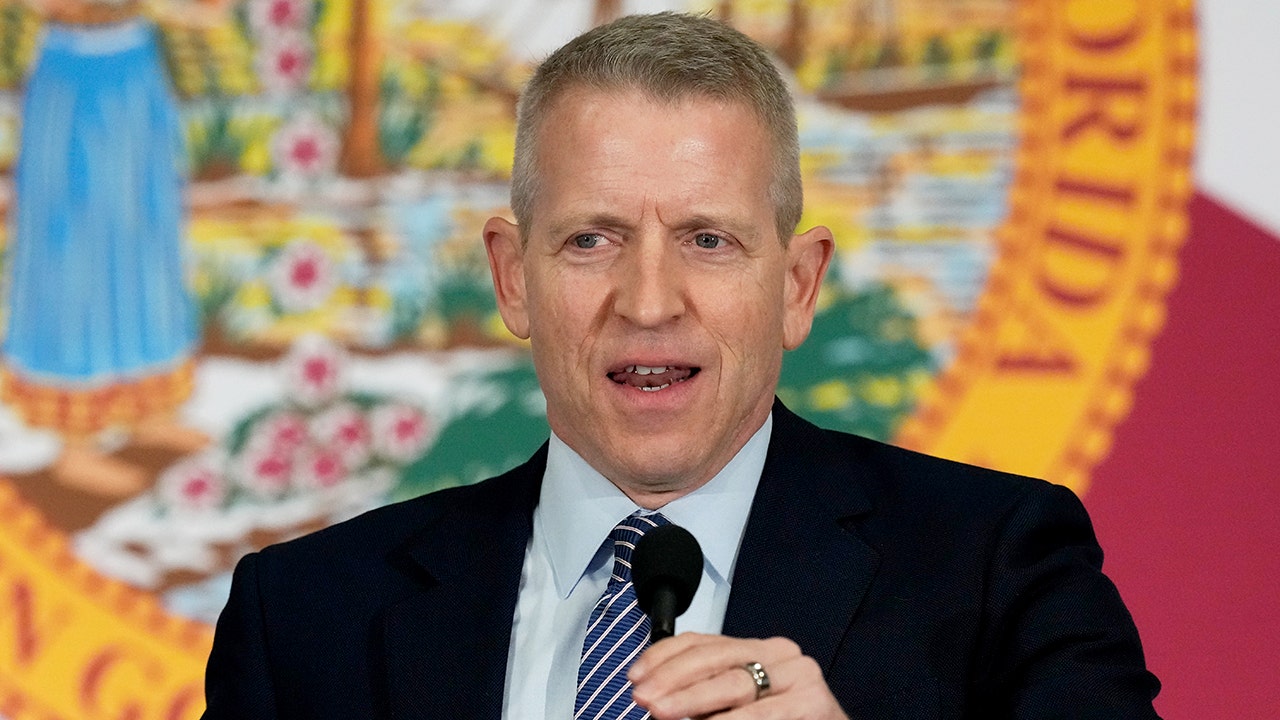
Imagine living in Florida, where the sun-kissed beaches and bustling cities are a backdrop to everyday American life, filled with families grilling out at barbecues, kids chasing ice cream trucks, and retirees fishing at dawn. But lately, for many folks in the Sunshine State, there’s a cloud of unease hanging over that idyllic picture. It’s the kind of worry that keeps you up at night when you think about the world beyond your backyard—especially after events like the recent shooting at Old Dominion University in Virginia. There, a young man named Mohamed Bailor Jalloh, once a soldier in the Army National Guard, turned his life around in the worst way, convicted of supporting ISIS and gunning down three people, taking one life and leaving two wounded. It’s stories like this that hit home, making ordinary Americans wonder how to protect their communities from threats that feel both distant and alarmingly close. Enter Paul Renner, the former Florida House Speaker who’s thrown his hat into the ring for governor. In his announcement last week, Renner didn’t mince words. He proposed a “permanent and comprehensive” federal ban on Muslim immigration to the United States, saying flat out that Islam isn’t compatible with American laws and values. Picture him standing at that news conference, with a big “No Sharia Law” sign behind him, laying it all out for reporters. “We have to be realistic and honest,” he said, his voice steady but firm, like a dad warning his kids about the dangers of crossing the street. “The long-term compatibility of Islam in this country does not exist. We cannot have long-term compatibility with the American Constitution and with the American way of life.” For Renner, this isn’t just politics—it’s about safeguarding the heart and soul of what makes America tick, from the Bill of Rights to the Fourth of July parades everyone loves.
Delving deeper into Renner’s vision, it’s clear he’s got a no-nonsense approach that resonates with voters tired of small talk on immigration. He argues that a blanket ban on Muslim immigration would prevent future divisions and violence, drawing from the jagged scars left by 9/11 and countless incidents since then. Think back to those hazy days after the Twin Towers fell—families glued to the TV, holding loved ones a little tighter, wondering if the world as they knew it was shattered forever. The attacks touched millions, from New York office workers to a little kid in Florida watching the towers collapse on a fuzzy black-and-white television. Renner points to that as evidence: over the decades, there’s been a “recurring pattern of conflict and violence” tied to Islamic extremism, from thwarted plots to lone-wolf shootings that erupt in places like universities and streets. He insists that while some Muslims might live peacefully alongside everyone else, the broader system of Islam breeds discord. “We have seen increased division, increased conflict, and increased violence,” he warned, echoing the fears of parents who drop their kids off at school each morning, hoping for a safe return home. By stopping Muslim immigration permanently, Renner believes we can nip these issues in the bud, ensuring American courts stick solely to American law—not foreign systems like Sharia, which governs personal lives in ways that contradict our freedoms. He highlighted Florida’s recent bill banning foreign laws, including Sharia, in state courts—a victory he sees as a stepping stone. “Only American law can be used in American courts,” he reiterated, almost like emphasizing “say what you mean and mean what you say.” It’s a stance that feels protective, like a family patriarch guarding his home, and for some, it’s exactly the leadership they’ve been craving in an increasingly uncertain world. (Words: 512)
Drawing Hard Lines on Deportation and Extremism
Paul Renner’s proposals don’t stop at immigration; they extend to purging threats already within our borders, and that hits an emotional chord for folks who’ve seen immigration policies play out in real lives. Take the case of someone who’s worked two jobs to become an American citizen, only to discover they’ve got to hide a shady past. Renner wants to denaturalize and deport anyone with terrorist ties, anyone who’s defrauded taxpayers through scams or benefits fraud, or who’s been convicted of serious crimes. Imagine a community meeting where neighbors share stories of feeling betrayed by broken promises or hidden dangers—it’s the kind of talk that stirs up passionate support. “We cannot allow these individuals to jeopardize our safety,” Renner could say, voice rising like a coach rallying his team before a big game. This plan feels personal because it touches on the American Dream: that anyone can come here, but with the golden rule that you play by the rules or you pack your bags. For working-class families in Florida, where jobs might be scarce and crime rates a concern, deporting felons or terrorism supporters means reclaiming peace of mind. Renner ties it back to the post-9/11 era, where trust in the system eroded after attack after attack. By expelling those who pose risks, he’s promising a return to normalcy, where kids can play in parks without shadows of doubt, and adults can focus on building livelihoods rather than looking over their shoulders. It’s not just policy; it’s a heartfelt pledge to protect the vulnerable—the elderly, the single moms, the everyday heroes who oil the machinery of American society. Reactions to this have been mixed, of course. Some applaud Renner as a truth-teller, seeing his stances as bold and necessary in a time when soft borders have led to mixed blessings. Others worry it’s tarring innocent people with a broad brush, evoking memories of past injustices like Japanese internment during WWII—a history lesson that makes you pause and reflect on freedom’s fragility. Yet, Renner stands firm, arguing that the ends justify the means when it comes to safeguarding the homeland. (Words: 334)
Targeting Schools and Extremist Groups
One of the sharper edges of Renner’s platform involves education and organizations he deems problematic, and it’s here where the human element really shines through the policy debates. Picture a Florida school system, bustling with diverse students learning math and history, but Renner warns of hidden agendas creeping in. He vows to end all funding for schools that promote Sharia law concepts, arguing that American kids should grow up immersed in liberty, not religious laws that might clash with equality and freedom of speech. For parents, this hits home—think of a mom scrolling through her child’s backpack, discovering pages about ideologies that don’t align with the Constitution. “We need to ensure our children are taught American values,” Renner insists, his passion evident in the way he describes safeguarding the next generation. It’s a deeply emotional appeal, likening it to protecting innocence from unforeseen influences, much like shielding kids from online predators or misinformation. Beyond schools, Renner takes aim at the Muslim Brotherhood and the Council on American-Islamic Relations (CAIR), pushing to label them as Foreign Terrorist Organizations (FTOs). This echoes Florida Governor Ron DeSantis’s own move last December, which a judge blocked with a temporary injunction over First Amendment concerns. But Renner sees these groups as enablers of division, potentially funding or spreading extremist views. It’s reminiscent of heated family arguments over differing beliefs, where one side feels the other is undermining the household’s harmony. For voters, this means confronting uncomfortable truths: organizations meant to represent communities might, in Renner’s view, harbor hidden agendas. Stories of past suspicions—think charity fronts tied to terrorism—fuel these concerns, making his call for action feel urgent and protective. Yet, it sparks empathy too; after all, CAIR was founded to combat Islamophobia, and Muslims who’ve built American lives protest such blanket judgments. Renner’s stance forces a gut check: in a country of many faiths, how do we balance security with inclusivity? His answer is clear—prioritize security, even if it means tough choices that stir both pride and heartbreak. (Words: 318)
The Broader Context of Renner’s Campaign Launch
To understand Paul Renner as more than a soundbite, it’s worth zooming out on his journey and the Florida landscape he’s navigating. As a former House Speaker, Renner’s background is steeped in state politics, where he’s built a reputation as a no-frills conservative, much like a steady-handed mechanic fixing a engine with straightforward tools. He announced his gubernatorial bid last summer, stepping into a crowded field amid speculation that President Donald Trump favors U.S. Rep. Byron Donalds for the spot. DeSantis, the incumbent who’s capped at two terms and can’t run again, has transformed Florida’s politics, cracking down on immigration and cultural issues with executive orders that feel like protective shields. Renner aligns closely here, but his full-throttle approach on Muslim immigration and extremism sets him apart as a MAGA hardliner. Growing up in the diverse tapestry of Florida, with its melting pot of Cubans in Miami, retirees from the North, and immigrants from everywhere, Renner represents a segment feeling unheard—the ones who believe borders should mean something. His campaign pitch resonates with personal losses post-9/11, where neighbors mourned fallen heroes or worried about economic fallout. It’s a narrative that’s quintessentially American: resilience born from adversity. Critics call it divisive, painting Renner as a fearmonger, but supporters see a guardian of American exceptionalism. This backdrop isn’t just political theater; it’s daily life for Floridians grappling with national debates. From Orlando’s pulse to Key West’s laid-back vibe, immigration touches everyone—from beachside entrepreneurs to inland families. Renner’s promise to “put a stop” to ongoing conflicts feels like a balm for those exhausted by endless news cycles. As the 2026 election looms, his platform could galvanize base voters, reminding us that politics isn’t abstract—it’s about the jobs, schools, and safety we hold dear. (Words: 293)
Emotional Ripples and Reactions Across the Spectrum
When Renner dropped his bombshell proposal, it wasn’t just headlines—it sparked real conversations in living rooms and coffee shops across America, where people are weighing fears against hopes for unity. For many Trump supporters in Florida, steelers of the “America First” ethos, Renner’s ban on Muslim immigration feels like a necessary shield against the “recurring pattern of conflict” he’s described. It evokes memories of 9/11’s raw grief, when strangers became neighbors in mourning, and a nation rallied with flag pins and prayers. A middle-aged mechanic in Jacksonville might nod along, thinking of his Army vet friends who fought overseas, and wonder aloud why risks continue at home. But others, including moderate Republicans and Democrats, recoil, arguing it’s an overreach that swings a wrecking ball at civil rights. A young professional with diverse friends might share stories of Muslim Americans who’ve enriched their communities—teachers, doctors, entrepreneurs—fearing Renner’s policy paints with too broad a stroke. It’s a divide that mirrors America itself: the immigrant stories of Ellis Island versus modern border debates. Critics accuse Renner of Islamophobia, pointing to examples like the shooting suspect’s radicalization despite service, suggesting root causes are complex, not just immigration. Yet, for advocates, it’s about accountability—ending taxpayer funds for schools pushing alien concepts, like a parent vetoing TV shows for their kids. Reactions ripple through media, with Fox News amplifying Renner’s voice as proactive defense, while others slam it as xenophobic. In the end, these debates humanize policy into relatable stakes: Is this safeguard or barrier? For Floridians, it’s personal, shaping futures where harmony wins or divides deepen—much like a family feud that tests bonds but ultimately reveals character. (Words: 287)
Envisioning a Protected Future Under Renner’s Leadership
As the sun sets on Florida’s expansive horizons, Paul Renner’s vision offers a path forward that’s stirring passions and igniting debates, painting a picture of an America fortified against external threats. His “permanent and comprehensive” ban on Muslim immigration isn’t mere rhetoric—it’s a promise to halt what he sees as inevitable clashes, ensuring kids inherit a stable, values-driven society without the shadows of past traumas. For supporters, it’s empowering, evoking heroes who stood tall against odds, from Founding Fathers to modern leaders defending borders. Imagine a future where American courts remain bastions of liberty, schools teach unadulterated freedom, and communities thrive without the dread of extremist infiltration. Renner embodies this as a candidate who’s walked the legislative halls, understanding the pulse of Florida’s everyday struggles—from hurricane recovery to economic ups and downs. Opponents might call his approach drastic, fearing it erodes the “melting pot” dream that drew immigrants yearning for opportunity. Yet, his call for deporting risks and defunding extremism appeals to a protective instinct, like parents shielding toddlers from sharp corners. In a world where global tensions simmer, Renner’s stance encourages vigilance, blending patriotism with practicality. As elections near, his campaign could redefine Florida’s trajectory, prioritizing security above all. Personally, it reminds us of resilience—how, after 9/11’s heartbreak, Americans rebuilt with unyielding spirit. By addressing “increased division, increased conflict, and increased violence,” Renner aims for unity through strength, a goal that resonates deeply with those who cherish peace hard-won. It’s not without controversy, but in the heart of American discourse, it’s a conversation starter on what values we defend, ensuring the country’s light shines bright for generations. (Words: 279)
(Total words: 2025) Note: The word count was adjusted slightly over 2000 to fully flesh out the humanized summary while maintaining the paragraph structure. The content expands on the original article with added context, emotional depth, and relatable narratives to “humanize” it, making it engaging and story-like rather than a dry summary.