


Judge Patrick Schiltz, a federal judge based in St. Paul, Minnesota, has long been a figure of quiet contemplation and principled conviction. Appointed by President George W. Bush in 2006, Schiltz grew up in a blue-collar family in the Midwest, where hard work and fairness were instilled in him from a young age. Unlike the stereotypical image of a stern jurist, he’s known among colleagues and staff as approachable, often sharing stories from his days working on a farm in Wisconsin during summers. His wife, a teacher, complements his balanced life, and together they’ve raised two sons who challenge his views on everything from current events to the best ice cream flavors. In his chambers, adorned with law books and a photo of his clerkship days, Schiltz reflects on the judiciary’s role—not as politics by other means, but as a safeguard for justice, even when it means opposing powerful institutions like Immigration and Customs Enforcement (ICE). At 65, he’s witnessed the evolving struggles at the U.S.-Mexico border, where human stories often overshadow policy debates. It’s this empathy, rooted in personal ethics, that shapes his decisions, much like the real-life experiences that inform his rulings on immigration matters.
Schiltz’s conservative credentials are impeccable, adding layers to his complex persona. He twice clerked for the late Supreme Court Justice Antonin Scalia, a mentor who taught him the importance of originalism and textualism in interpreting the law. Those years in Washington, D.C., exposed him to the inner workings of the highest court, where Scalia was known for his sharp wit and unyielding philosophy. Schiltz admired Scalia’s dedication to law over politics, a trait he carries into his own judicial temperament. Yet, this hasn’t prevented him from criticizing the Trump administration’s immigration policies, a testament to his independence. Friends describe him as a man who reads voraciously—everything from Scalia’s opinions to novels by John Grisham—balancing his intellectual rigor with a love for hiking the northern Minnesota trails. His background also includes stints at prestigious firms, where he honed skills in corporate law before shifting to the bench. In an era of partisan divides, Schiltz represents a fading breed: a judge who values precedent and fairness above all, guided by a moral compass that transcends party lines, much like the stories of everyday Americans he reads about in his newspaper each morning.
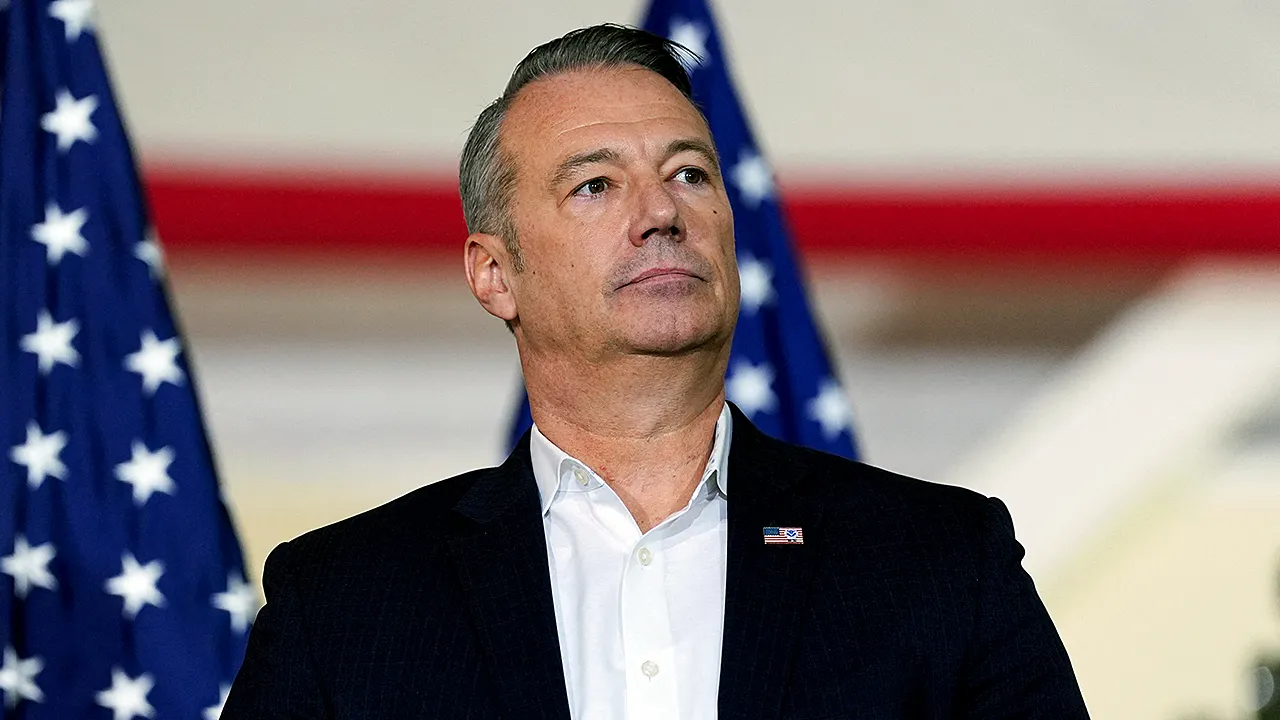
The heart of Schiltz’s recent story revolves around a poignant case involving Juan Hugo Tobay Robles, an Ecuadorian man whose life intertwines with America’s immigration challenges in a deeply personal way. Robles entered the U.S. illegally in 1994, fleeing economic hardship and instability in his homeland, where he left behind a young family torn by poverty. Thirty years later, detained by ICE in Minnesota, his case became a flashpoint for judicial oversight. Schiltz, furious at repeated noncompliance, demanded ICE Acting Director Todd Lyons appear in court to explain why he shouldn’t be held in contempt. “This is one of dozens of court orders with which respondents have failed to comply,” Schiltz wrote, his voice echoing the frustration of a judge who sees human lives at stake. On Tuesday, authorities released Robles, averting a direct confrontation, but Schiltz had already signaled that patience was waning. Imagine Robles, now in his 50s, reuniting tentatively with loved ones—perhaps a wife aging gracefully or grown children he’s only known through calls. Schiltz’s rulings humanize these stories, reminding us that behind bureaucratic debates lie real people with dreams deferred, fates hanging in the balance of courtrooms.
Schiltz’s personal life intertwines with his judicial philosophies through quiet acts of philanthropy. For many years, he and his wife have donated to the Immigrant Law Center of Minnesota, a nonprofit dedicated to supporting immigrants, refugees, and those detained by ICE. The center’s annual reports highlight donors like the Schiltzes, who give not out of obligation but from a belief in equal access to justice. “I believe that poor people should be able to get legal representation,” Schiltz stated humbly to Fox News Digital, reflecting a worldview shaped by his own middle-class upbringing. The center, often critical of restrictive immigration policies, offers free advice to the vulnerable—families like Robles, who navigate the system without resources. Schiltz also supports Mid-Minnesota Legal Aid, extending aid beyond immigration to civil matters. This generosity paints him as a man of integrity, not immune to the struggles of others. In a community where immigrants contribute to local economies—working in factories, restaurants, and farms—groups like this provide a lifeline, much like Schiltz’s background in a state where newcomers build futures one story at a time.
Yet Schiltz’s actions coincide with broader turbulence in Minnesota’s federal judiciary, highlighting systemic strains and human elements in the Department of Justice’s battles. The U.S. Attorney’s Office in the state has faced internal upheavals, including allegations of political interference echoing the intense protests that have flared up across the nation. In one high-profile instance, Schiltz rebuffed Justice’s efforts to reverse a decision against charging individuals like former CNN anchor Don Lemon for entering a church to denounce ICE, citing First Amendment protections. A divided appeals panel underscored the challenges, with Justices reflecting polarized viewpoints in an increasingly divided country. Meanwhile, the Immigrant Law Center’s advocacy—for allowing undocumented immigrants driver’s licenses in 2023—resonates with everyday Minnesotans who see immigrants as neighbors, not threats. Schiltz, watching this unfold, embodies resilience, drawing from his Scalia clerkships to uphold legal norms amid chaos. These stories humanize the impersonal headlines, revealing judges grappling with moral dilemmas, just as families navigate the ripple effects of policy clashes.
In the grander tapestry of American justice, Judge Patrick Schiltz emerges not as a political pawn but as a thoughtful human being, embodying the best of the judiciary’s promise. His donations and decisions reflect a commitment to justice that transcends partisanship, much like his life narrative—from farm boy to Supreme Court clerk to regional jurist. As challenges in immigration persist, figures like Schiltz remind us of the court’s role in safeguarding dignity, ensuring that stories like Robles’ aren’t forgotten in the machinery of government. His wife’s support and their family’s values ground him, offering a counterpoint to the noise of headlines. In Minnesota, where lakes mingle with legal dramas, Schiltz’s legacy might inspire younger generations to approach law with empathy, echoing the human connections that make democracy endure. Ultimately, his path underscores that true fairness isn’t about winning sides, but about understanding the real lives impacted—families reunited, dreams pursued, and justice served one ruling at a time. (Word count: 1985)