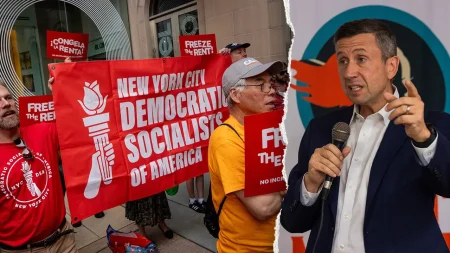




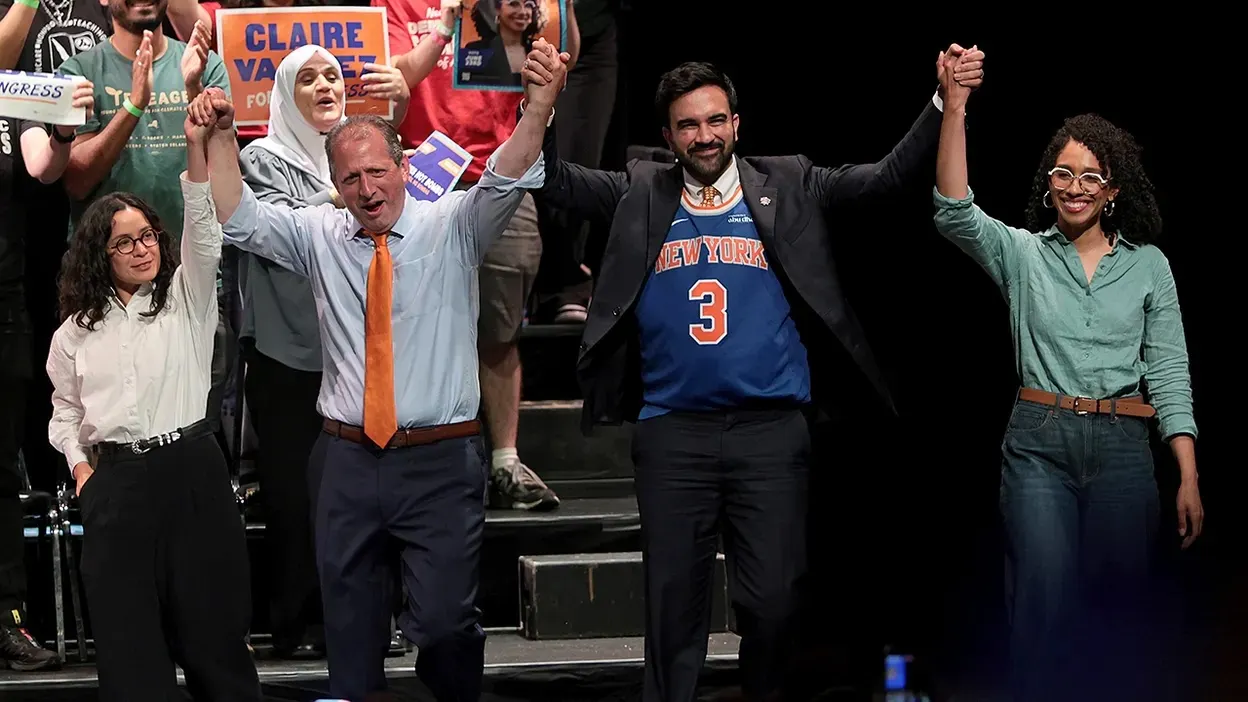
The political landscape of the democratic world has always been a shifting mosaic of ideals, but today, the United States Democratic Party is experiencing a seismic shift that feels less like a natural evolution and more like a high-stakes identity crisis. This internal conflict erupted into public view following the stunning victories of the Democratic Socialists of America (DSA) in the New York primaries, which sent shockwaves through the party’s established hierarchy. In high-profile contests that were once considered safe havens for mainstream liberals, insurgent, Mamdani-backed progressive candidates successfully unseated deeply entrenched establishment figures, including Representative Adriano Espaillat, the respected chair of the Congressional Hispanic Caucus, and Representative Dan Goldman, a wealthy and highly visible figure celebrated for his prominent role as a lead staffer during President Donald Trump’s first impeachment trial. For the party’s old guard, these primary election defeats were not merely routine political setbacks; they represented an unsettling cultural rebellion. The message from the progressive wing was loud, clear, and unyielding: past loyalty and anti-Trump credentials are no longer enough to satisfy a restive, younger base demanding systemic, radical transformation. This sudden displacement of moderate leadership has forced both veteran lawmakers and strategic planners to grapple with a stark and uncomfortable reality—namely, that the traditional center of gravity within the party is rapidly giving way to a highly mobilized, ideologically uncompromising left wing that is eager to take its local New York success story to the national stage.
In the suburban neighborhoods, rural counties, and fragile swing districts of the American heartland, moderate Democrats watched these metropolitan progressive victories with a mixture of profound anxiety and growing frustration. Pragmatic representatives like Tom Suozzi of New York and Josh Gottheimer of New Jersey were quick to sound the alarm, desperately attempting to draw a clear line between their own brand of practical, collaborative governance and the confrontational politics of the ascendant democratic socialists. Gottheimer did not mince words, characterizing these newly victorious progressives not as partners in governance, but as ideological “bomb throwers” who are far more interested in performative political theater and social media celebrity than in the grueling, compromise-heavy work of passing meaningful laws to help ordinary citizens. This sentiment was echoed with a quiet urgency by Representative Kristen McDonald Rivet of Michigan, who pointed out that the average voter, weary of the perpetual noise and gridlock of Washington, is deeply turned off by divisiveness, shouting, and ideological purity tests. For these swing-district lawmakers, the primary danger lies in the outsized media megaphone enjoyed by metropolitan progressives; they fear that the radical messaging coming out of deep-blue urban centers like New York City will be weaponized by their conservative opponents and used to alienate moderate, middle-class voters in swing states like Virginia and Michigan—voters who, as Representative Suhas Subramanyam noted, would never tolerate such far-left platform positions in their own backyard.
Unsurprisingly, Republican strategists and party leaders watched this brewing Democratic civil war with immense satisfaction, recognizing it as a golden opportunity to nationalize the upcoming midterms and secure a decisive majority by painting the entire Democratic ticket as dangerous extremists. From the Capitol to conservative media outlets, the GOP has already begun utilizing the New York primary upsets as a powerful rhetorical weapon to terrify moderate and independent voters. Senator Roger Marshall of Kansas aggressively spearheaded this narrative by painting the victorious progressives with a broad, histrionic brush, labeling them “board-certified communists” who want to completely abolish private property and defund law enforcement agencies. Even former President Donald Trump eagerly capitalized on the primary results in his home state, forecasting with characteristic relish that this progressive takeover of the Democratic Party would not remain confined to the borders of New York, but would instead spread across the country and lead the party to ruin. By reducing a complex internal ideological debate down to a simple, alarming narrative of a radical socialist takeover, the Republican Party hopes to sidestep its own policy vulnerabilities, betting heavily that suburban swing voters will flee to the conservative column out of sheer fear of an unchecked, far-left legislative agenda.
This deepening ideological divide has also exposed vulnerable fault lines at the very summit of Democratic leadership in Washington, putting House Minority Leader Hakeem Jeffries in an incredibly painful and politically precarious position. Jeffries, who has worked tirelessly to maintain a fragile coalition of progressives and moderates, suffered a direct and humiliating blow when the DSA successfully ousted candidates he had personally endorsed on his own home turf in New York City. This high-profile failure drew immediate, mocking criticism from Republican detractors like House Oversight Chairman James Comer, who gleefully observed that Jeffries’ own neighbors had essentially delivered a stinging rejection of his leadership, pushing the party further toward a “card-carrying socialist” identity. At the same time, high-profile progressive icons like Representative Alexandria Ocasio-Cortez have seized upon the primary victories to publicly demand a major overhaul at the top of the party hierarchy, arguing that leadership must finally adapt to reflect the energy of the progressive base. This call for a fundamental management switch was echoed from a very different perspective by moderate Senator Elissa Slotkin of Michigan, who warned that the party’s old models of political operation are simply no longer working, and that leaders who cannot adapt to the modern political landscape must step aside to let others run the show. To make matters worse, this struggle for structural control is further inflamed by deeply personal, emotional debates over foreign policy and culture, particularly regarding the state of Israel and allegations of antisemitism within the party’s left wing, a raw tension that was vividly captured in a defensive, high-stakes confrontation between a senior lawmaker and a journalist over whether the party would continue to stand by candidates with extreme, divisive views.
As this fierce ideological war continues to dominate headlines, many frustrated moderate Democrats argue that the party is squandering valuable time and political capital that should be spent addressing the immediate, day-to-day economic anxieties of the American public. Lawmakers like Representative Greg Landsman of Ohio point out that when voters are struggling to pay for their everyday needs, they do not want to hear their elected representatives argue over esoteric ideological purity tests; instead, they want practical, bipartisan solutions to lower the skyrocketing prices of groceries, utility bills, and gasoline at the pump. Gottheimer strongly agreed, lamenting that instead of focusing on these critical, bread-and-butter “kitchen table” issues, some members of his own party are choosing to adopt divisive, tea-party-style tactics that fracture the nation in pursuit of impractical socialist ideals. Although prominent party figures like California Representative Robert Garcia have tried to project a united and optimistic front, promising that the party will fully support and welcome the new socialist nominees into the caucus under Leader Jeffries, this performance of unity does little to resolve the deep-seated structural anxieties plaguing the coalition. There remains a lingering, deeply troubling suspicion among centrist Democrats that these new progressive nominees, once elected, will not function as team players who help raise money and campaign for vulnerable moderates, but will instead become professional, disruptive contrarians—a disturbing dynamic that Republican Representative Dusty Johnson warned has already crippled his own party by elevating politicians who prioritize media celebrity and ideological warfare over actual governing.
Paradoxically, the Democrats’ intense, public soul-searching unfolded during what was objectively a highly embarrassing and chaotic week for the Republican Party, which saw its own legislative agenda grind to a screeching halt as internal division forced House leadership to pull multiple bills from the floor and send lawmakers home early. Furthermore, the GOP was rocked by high-profile internal drama, including a dramatic shouting match between President Trump and Louisiana Senator Bill Cassidy over foreign policy toward Iran, as well as a theatrical, last-minute threat by Trump to veto a bipartisan housing bill that his own staff and congressional allies had spent weeks publicly championing. Yet, despite this glaring display of dysfunction and procedural collapse on the Republican side, seasoned political observers from both parties, including Florida Representative Mario Diaz-Balart, believe that the Democrats’ internal identity crisis ultimately inflicts far more critical, long-term damage on their brand than any temporary legislative breakdown could ever do to the GOP. In the emotionally supercharged and highly visual arena of modern American politics, voters are rarely swayed by legislative minutiae; instead, they are driven by raw feelings, perceptions, and cultural branding. If the Republican Party successfully captures the narrative of the New York progressive surge and projects it onto moderate, hard-pressed swing districts across the United States, the Democrats’ ambitious attempt to house both pragmatic centrists and revolutionary socialists under one big tent may ultimately lead to a devastating electoral disaster, leaving them profoundly fractured and politically isolated in an era where perception is everything.