

The Shocking Release of a Flagged Migrant
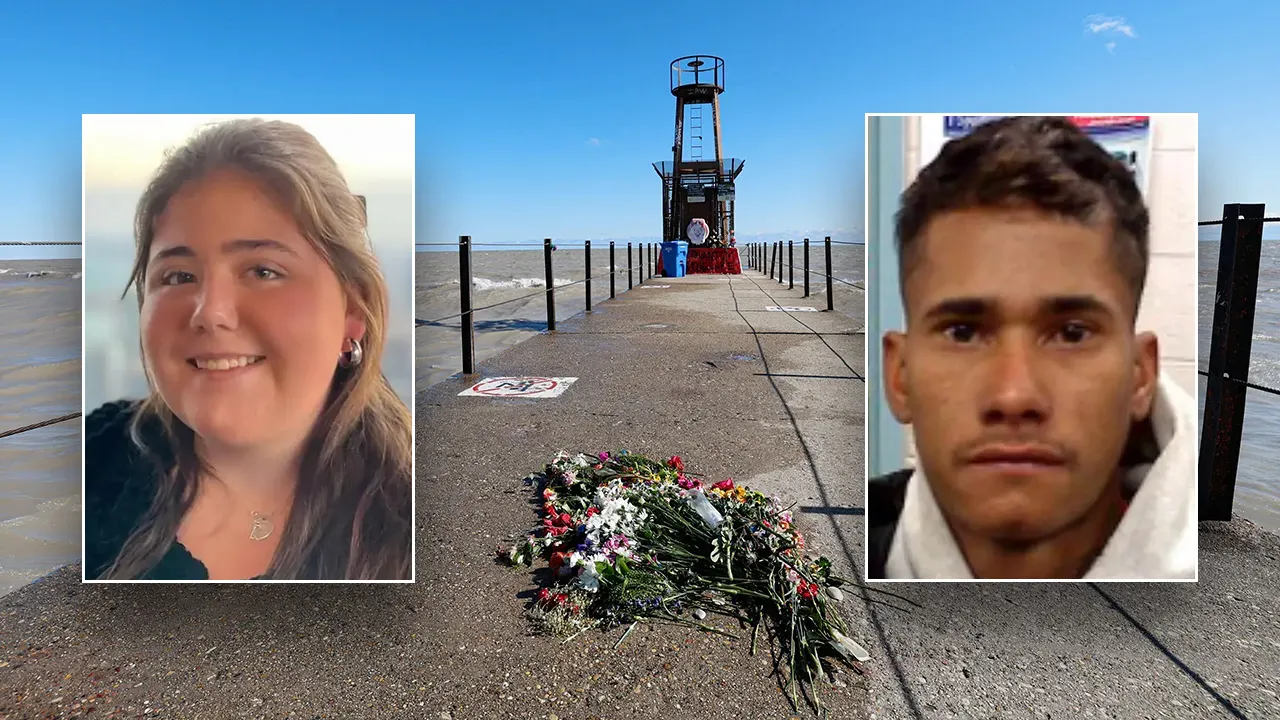
Imagine living in a world where safety feels like a fragile promise, especially when borders blur and individuals flagged as potential risks are set free. That’s the grim reality highlighted in newly released internal Border Patrol documents, uncovered by the House Judiciary Committee on a tense Tuesday. At the center of this tragedy is Jose Medina-Medina, a 25-year-old Venezuelan migrant now charged in the fatal shooting of 18-year-old Sheridan Gorman, a vibrant Loyola University student. Gorman was gunned down in Chicago in the chilly early hours of March 19, after spotting Medina-Medina lurking near a lighthouse at Rogers Park pier. She and her friends tried to warn each other, but in moments of panic, Medina-Medina allegedly chased them, firing shots that ended Gorman’s bright future. This isn’t just a statistic; it’s a heartbreaking story of a young life cut short, underscoring how decisions at the border can ripple into communities far away. The documents paint a picture of missed opportunities, revealing Medina-Medina was marked as a flight risk with no valid asylum grounds before being released into the U.S. in 2023 under the current administration. As families nationwide grapple with rising concerns over immigration policies, this case feels like a personal blow—reminding us of the real human costs when systems fail to protect the innocent.
Medina-Medina’s Journey Across the Border
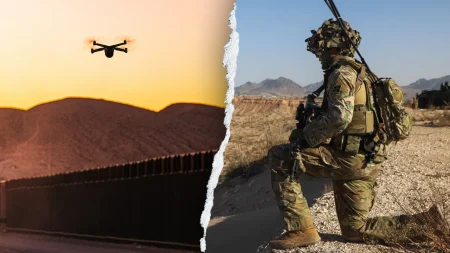
Digging deeper into Medina-Medina’s story, it’s a tale of a man born in Venezuela, seeking something better in America, but entangled in a web of bureaucracy that let him slip through. Apprehended in the El Paso Border Patrol Sector, he was caught illegally crossing from Mexico, not at a designated entry point. According to the documents, a Border Patrol agent encountered him and determined he’d unlawfully entered the United States. From there, he was arrested and taken to the Central Processing Center in El Paso for further checks via secure systems. The records show he admitted no fear of harm or persecution if sent back home, debunking any immediate asylum claim. Yet, with no immigration papers on him and no petitions from family here, he stood out as someone without deep roots or resources in the country. This isn’t uncommon for many migrants—desperate people fleeing hardship, only to face administrative hurdles that can feel dehumanizing. But in Medina-Medina’s case, these details raised red flags that were, heartbreakingly, not heeded. It’s easy to humanize him in this moment not as a monster, but as a young man from a troubled nation, much like countless others, whose path led to tragedy. Still, the paperwork captures the stark reality: he had no verifiable U.S. address, no ID, and couldn’t name a reliable contact—elements that make someone seem transient and potentially elusive.
Alarm Bells Ignored: The Warning Signs
What makes this case sting even more are the explicit warnings in those Border Patrol files, laid bare for the public eye. The document labels Medina-Medina bluntly: a Venezuelan citizen by birth, illegally present in the U.S., with no immigration docs and no petitions filed on his behalf. Crucially, it notes he had “close family ties or roots in this country,” but “yet are likely to abscond”—that’s official speak for “probably a flight risk.” Imagine the frustration of border agents jotting this down, knowing full well the dangers of releasing someone described as dangerous despite these signals. Officials seem to have weighed his profile and seen a pattern that screamed caution: undocumented, unattached, and unlikely to stick around for court dates. For many reading this, it evokes a sense of déjà vu—stories of migrants flagged for concerns only to be released, fueling debates on whether compassion for asylum-seekers has overshadowed safety checks. It’s humanizing the tense, on-the-ground decisions agents face, balancing empathy for displaced people against the need to shield communities. The documents don’t mince words; they highlight a system where these insights existed, but perhaps bureaucratic pressures or resource strains meant they were set aside. In Gorman’s case, these oversights feel personal, like ignored cries for help in a system meant to protect.
Politics and Policy: Why He Was Let Go
The heart of the controversy lies in that release decision, tied directly to the Biden administration’s approach to immigration. Despite the red flags—no valid asylum, a flight risk profile—the documents reveal Medina-Medina was processed for a Notice to Appear in court but set free on his own recognizance. The reason cited? “Due to lack of space” under the Immigration and Nationality Act. It’s a phrase that resonates with overcrowding in detention facilities, a perennial issue at the border where surges of migrants strain resources. House Judiciary Republicans blasted this on X, calling it a reckless move that unleashed a potentially dangerous individual into the U.S. For everyday Americans, this touches on deeper fears about policy choices—does prioritizing quick releases for space-saving mean sacrificing public safety? Humanizing the narrative, one can see the exhaustion on border workers’ faces, handling waves of humanity in a broken system, or the politicians’ tough calls amid polarized debates. Critics argue this case exemplifies a flawed “catch-and-release” cycle, while defenders might point to humanitarian imperatives. But for the Gorman family and others affected by such crimes, it boils down to accountability: why weren’t these warnings acted upon? The political echo chamber amplifies the pain, turning a personal loss into a national conversation on borders, space, and lives at stake.
The Deadly Incident and Legal Fallout
Fast-forward to that fateful night in Chicago March, and the “what-ifs” turn devastatingly real. Sheridan Gorman, a freshman full of promise, was out with friends at the pier when she alerted them to Medina-Medina’s presence. As police accounts describe, tensions escalated—he pursued the group, and shots rang out, piercing Gorman in the upper back as she fled. She was rushed to the hospital but didn’t survive, leaving her community in mourning. Now, Medina-Medina faces a litany of charges: federal ones for illegally possessing a firearm (up to 10 years behind bars) and state-level counts of murder, attempted murder, aggravated assault, and unlawful weapon possession. Prosecutors painted a scene of fear and confrontation, where instinct gave way to violence. Humanizing this moment, picture the terror of young students enjoying a night out, only for it to turn deadly—a reminder of the vulnerability we all feel wandering our own cities. The connection to his 2023 release isn’t speculation; it’s a documented thread linking border policy to urban tragedies. For advocates on both sides, this fuels conversations on gun control, mental health among migrants, and the burdens on law enforcement urban illegals. Gorman’s death isn’t just a case number; it’s a wake-up call for vigilance, blending heartbreak with calls for justice.
A family’s Plea and Broader Echoes
Amid the charges filed on April 2, the Gorman family released a poignant statement that humanizes the devastation: “Sheridan was a real person—she had a future, a family, and a life full of promise.” Those words cut deep, countering the abstraction of policy debates with raw emotion. They echo broader tragedies, like the slain DC intern whose mother urged the family to “fight back” in a gesture of solidarity. In this digital age, where Fox News articles can be listened to on the go, stories like this spread fast, sparking outrage and reflection. For me—and for many—this isn’t about villainizing migration; it’s about systemic fixes to prevent such heart-wrenching oversights. Imagine the parallels: students like Gorman dreaming big, families clinging to hope, and officials navigating chaos. Yet, tools like ICE trackers, facial recognition debates, and renewed bills aim to crack down, blending technology with humanity. As communities mourn, the call is for balance—compassion without compromising safety. Sheridan’s light may have been extinguished, but her story illuminates the urgent need for change, reminding us that behind every headline is a life, a loss, and a lesson we can’t afford to ignore. In humanizing this chaos, we see the fragility of trust in public systems, the resilience of grieving families, and the imperative to protect the vulnerable in a world that’s increasingly interconnected.