

The Heart of the Debate Controversy
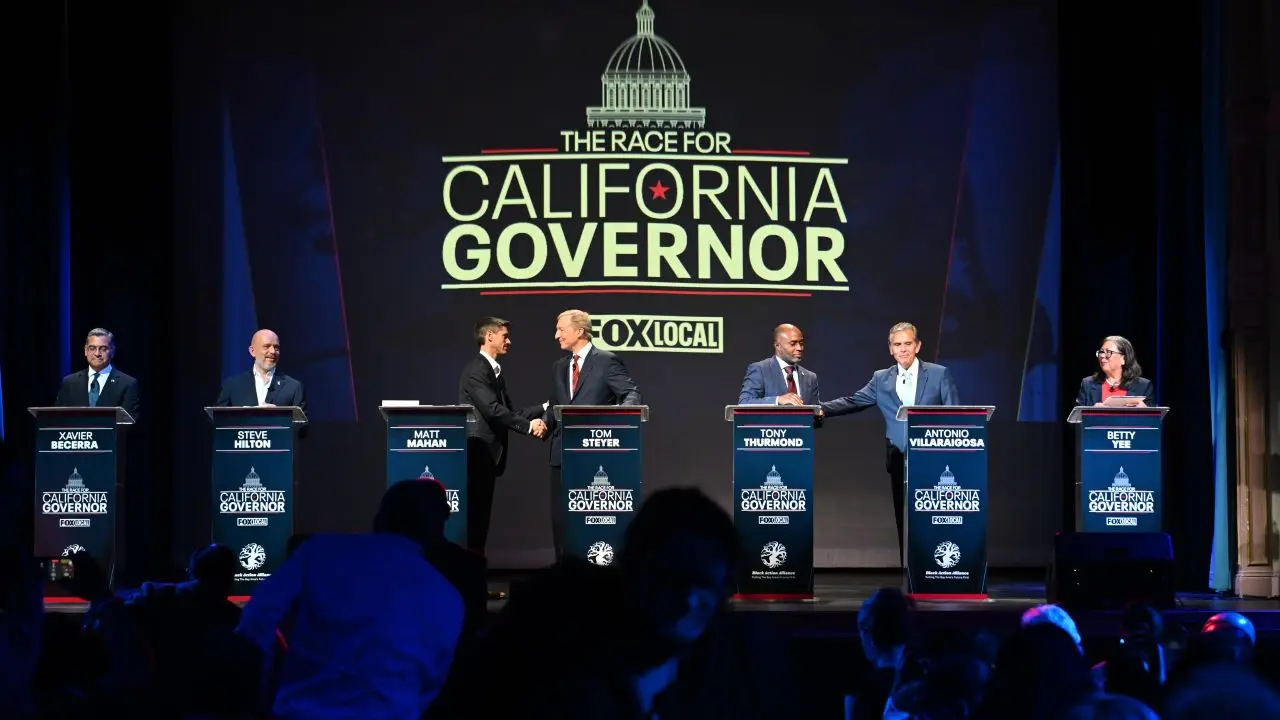
Picture this: California’s political scene heating up like a Hollywood premiere, but instead of red carpets and flashing lights, we’re talking about a heated clash over who gets a fair shot at the governor’s race. It all started with the University of Southern California (USC) planning a high-profile debate for the state’s gubernatorial candidates. They had a smart-sounding framework—data-driven, they called it—to pick who could participate. The criteria boiled down to polling numbers and fundraising success, making it all about who was actually building momentum. Out of that came a list: Republicans Chad Bianco and Steve Hilton, along with Democrats Tom Steyer, Matt Mahan, Katie Porter, and Eric Swalwell. Every single one of them? White. It wasn’t a coincidence; the same rules knocked out Xavier Becerra, Antonio Villaraigosa, Betty Yee, and Tony Thurman—all prominent minorities and Democrats—who didn’t meet the thresholds. These folks were devastated, feeling like the system was rigged against them, and their voices echoed a painful history of exclusion. Becerra, a former Health and Human Services Secretary, drew a sharp parallel, reminiscing about his father’s stories of segregated signs that barred people based on race. It stung, you can imagine, and turned what should have been a straightforward academic event into a powder keg of accusations.
The outrage didn’t stop with the candidates; it spilled over into the California legislature, where top Democrats decided enough was enough. Senate President pro Tempore Monique Limon and Assembly Speaker Robert Rivas, joined by a handful of their colleagues, fired off a letter to USC’s president. They called the framework “biased,” accusing it of unfairly sidelining candidates and even hinting at conflicts of interest, like donor ties between the university and one of the selected participants. Their words were blunt: if USC didn’t fix this and expand the debate to include everyone running, voters should just boycott it entirely. They trusted Californians to decide for themselves, without some arbitrary gatekeeping. It was a bold move, putting pressure on an institution that’s supposed to be neutral. You could almost hear the political gears grinding—here were lawmakers, not just individual aspirants, standing up and saying this wasn’t just unfair; it reeked of something deeper. In my view, it’s a reminder of how intertwined education and politics can get, especially when universities dip their toes into electoral waters. These legislators weren’t mincing words; they were calling for accountability, making it personal and urgent.
Then came the twist: less than a day before the debate was set to air live, USC pulled the plug. In a terse announcement, they explained that negotiations with KABC, the Los Angeles TV station partnering for the broadcast, hit a wall. They wanted to add more candidates, but ABC couldn’t—or wouldn’t—accommodate the changes. Boom, debate canceled. It felt abrupt, like a family dinner turning into a food fight. GOP candidate Steve Hilton, who’s been making waves in the race, spilled some candid insights about what went down behind the scenes. He pointed out how the legislature’s letter landed like a bombshell, prompting USC to scramble. They approached ABC late-game, but no dice. Hilton’s take? It showed the real power of politics in California—when lawmakers get involved, institutions feel the heat fast. As someone following this brouhaha, I appreciate Hilton’s no-nonsense style; he’s saying what many might think but hesitate to voice. It’s not just about the candidates; it’s about who pulls the strings in Sacramento. You start to wonder if this is how democracy works these days—raw, reactive, and sometimes messy.
Now, diving deeper into the weeds, there were whispers about why certain names made the cut while others didn’t. Reporters from Cal Matters dug in, revealing that even some selected candidates thought Matt Mahan, the tech guy and former San Jose mayor, was a stretch. His numbers looked weak compared to others, yet there he was on the list. The legislature’s letter obliquely referenced an “unnamed candidate” with deep ties to USC donors, and later, it was confirmed they meant Mahan. It raised eyebrows—were personal connections trumping merit? Add to that a Democratic State Chairman’s poll showing Mahan lagging behind Becerra, while the USC picks were far ahead. It’s the kind of subplot that makes politics feel like a novel: intrigue, favoritism, and a dash of conspiracy. For voters, it meant the roster felt curated, not organic. I can’t help but think about the real people here—hardworking politicians from diverse backgrounds, only to have a prestigious event gate them out. It’s humanizing to remember these are folks with families, dreams, and communities counting on them. The debate’s cancelation wasn’t just a logistical hiccup; it underscored how broken the process can seem when criteria feel subjective.
Polls are painting a fascinating picture of the race itself, giving us a snapshot of where things stand amid all the drama. Republicans Bianco and Hilton are neck-and-neck at the top, each commanding about 16% and 14% of the undecideds’ minds. On the Democratic side, Porter, Swalwell, and Steyer are clustered at 10%, with everyone else scratching in the low single digits. A solid quarter of voters are still out there, minds open. It’s telling—while the minority candidates were excluded from the debate stage, they’re not invisible to the public. People in California are paying attention, and backlash over the USC debacle might even boost their profiles. As I reflect on this, it’s a story of resilience; these politicians are pushing through, using the media to get their messages out. Voter turnout could skyrocket if folks feel the system’s rigged against inclusion. It’s not just about white-knuckling debates; it’s about a bigger conversation on representation and fairness in governance.
In the end, this saga with USC echoed across California, sparking debates beyond the pallets. Neither Rivas nor Limon gave direct quotes to reporters, but their letter spoke volumes—a call to action draped in worry for the state’s soul. If universities are facilitating elections, they need to ensure voices from all walks of life are heard. From Becerra’s heartfelt analogy to the legislature’s firm stance, it’s a human tale of hurt, advocacy, and the fight for equity. As Californians look ahead to Election Day, this incident might be the spark that ignites deeper reforms. For me, it’s a poignant reminder that politics isn’t abstract; it’s personal, touching lives and shaping futures. And while the debate fizzled out, the conversation it’s ignited? That’s one that won’t be silenced easily. Let’s see how the candidates pivot, muster their supporters, and prove whose visions resonate most in the Golden State.
Reflections on Inclusivity and Power
Building on the raw emotions stirred by the USC debate fiasco, it’s worth pausing to humanize the figures involved—beyond their titles and polling numbers. Take Xavier Becerra, for instance; he’s not just a politician but a son carrying the weight of his Mexican-American family’s history. Recalling his dad’s stories of discrimination, his invocation of old segregation signs wasn’t rhetoric—it was a visceral connection to pain that still haunts. Or consider Antonio Villaraigosa, the former LA mayor who’s built a career advocating for underserved communities in his native California. Being disqualified felt like a slap, especially when he saw less “viable” candidates leapfrog him. These are real people with legacies, families, and unwavering commitments to public service. It’s easy to see how this snub chipped away at trust in institutions meant to foster dialogue.
On the legislative side, leaders like Monique Limon and Robert Rivas didn’t act out of mere partisanship; as long-standing advocates for diversity, they saw mirrors to their own battles. Limon’s role as the first Latina Senate President pro Tempore in California history speaks volumes—she knows all too well the barriers minorities face. Pairing with Rivas, the state’s first Latino Assembly Speaker, their letter was a rallying cry born from lived experiences. Denouncing the framework as biased wasn’t political theater; it was a defense of the multicultural fabric of California. Their call for voters to boycott if necessary? Bold, yes, but rooted in a belief that democracy thrives on plurality, not exclusion.
Then there’s the university angle—USC, an elite powerhouse, suddenly thrust into the political arena unwillingly. President Beong-Soo Kim faced a no-win: defend academic criteria or bend to pressure? Their pivot to cancel the event highlighted the precarious balance between free speech and social justice. It’s a reminder that prestigious institutions aren’t immune to real-world consequences; when state lawmakers wield influence, even they recalibrate. For students and faculty, this might inspire critical thinking about how universities engage with politics—should they moderate debates, or let debate moderators? It’s a lesson in navigating power dynamics that affect us all.
Shifting to the candidates chosen, people like Katie Porter and Eric Swalwell bring relatable stories too. Porter, the feisty congresswoman known for grilled company CEOs, champions consumer rights with fiery populism. Swalwell, tagged the “angry millennial” by some, channels youthful energy into progressive causes. Even Tom Steyer, the billionaire environmentalist, turned activist, represents Everyman ambition—starting from scratch to fund clean energy dreams. Their inclusion amid controversy doesn’t erase the legitimacy of their platforms; it just underscores how selective processes can overshadow substance. Voters might tune out statistics and focus on these human narratives instead.
Polls suggest the electorate is still churning; with Republicans leading a packed field, and Democrats fractured, that 24% undecided bloc could be the game-changer. If outrage over the debate energizes minority voters, we might see an uptick in turnout. It’s not just data—it’s about people feeling seen and valued. Rusty Hicks’ survey from the Democratic Party chairman hints at shifts; if Becerra’s quiet strength rallies supporters, the race tightens.
Ultimately, this episode humanizes politics: from personal slights turning systemic to collective pushes for change. Californians, a diverse lot, deserve platforms where every voice matters. As the elections unfold, let’s hope lessons learned here foster more equitable dialogues—ones where history’s echoes don’t drown out the present’s promises. It’s a story of grit, reminding us all that in democracy’s theater, every actor deserves a chance under the spotlight.