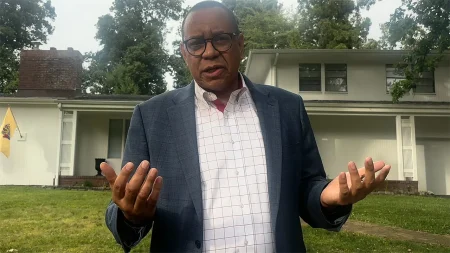


Former Virginia Governor George Allen raised eyebrows recently when he renewed an offer to debate Democrat Gov. Abby Spanberger on the prickly issue of redistricting, but this time with ironclad terms to make it as easy as possible for her. Picture this: Allen, the epitome of old-school Republican grit with his football-player pedigree ( Dad was the legendary coach of the Washington Redskins ), sitting there on WRVA radio, scratching his head about Spanberger’s busy schedule excuses. She had turned down an in-person chat because, she claimed, reviewing bills was keeping her chained to her desk. Allen’s response? A generous virtual option – one hour, televised debate, at a time and place of her choosing, with a moderator she picked. It was almost like handing her the keys to a debate room without any of the hassle. “All of this is a bit confusing; it’s unusual, and it helps the people to hear both sides of it,” Allen told host Rich Herrera, his voice carrying that no-nonsense charm. This wasn’t just about redistricting, which critics are calling a brazen gerrymander by Democrats to lock in power. It was about accountability, transparency – the kind of things voters expect from their leaders. Spanberger’s avoidance had people whispering about her being the modern rerun of the elusive Joe Biden, holed up in some political bunker, dodging the heat. And just to twist the knife, Allen’s sonship to a legendary coach wasn’t just name-dropping; it underscored the generational handoffs in politics, where leaders like George pushed boundaries while Spanberger seemed content to play defense.
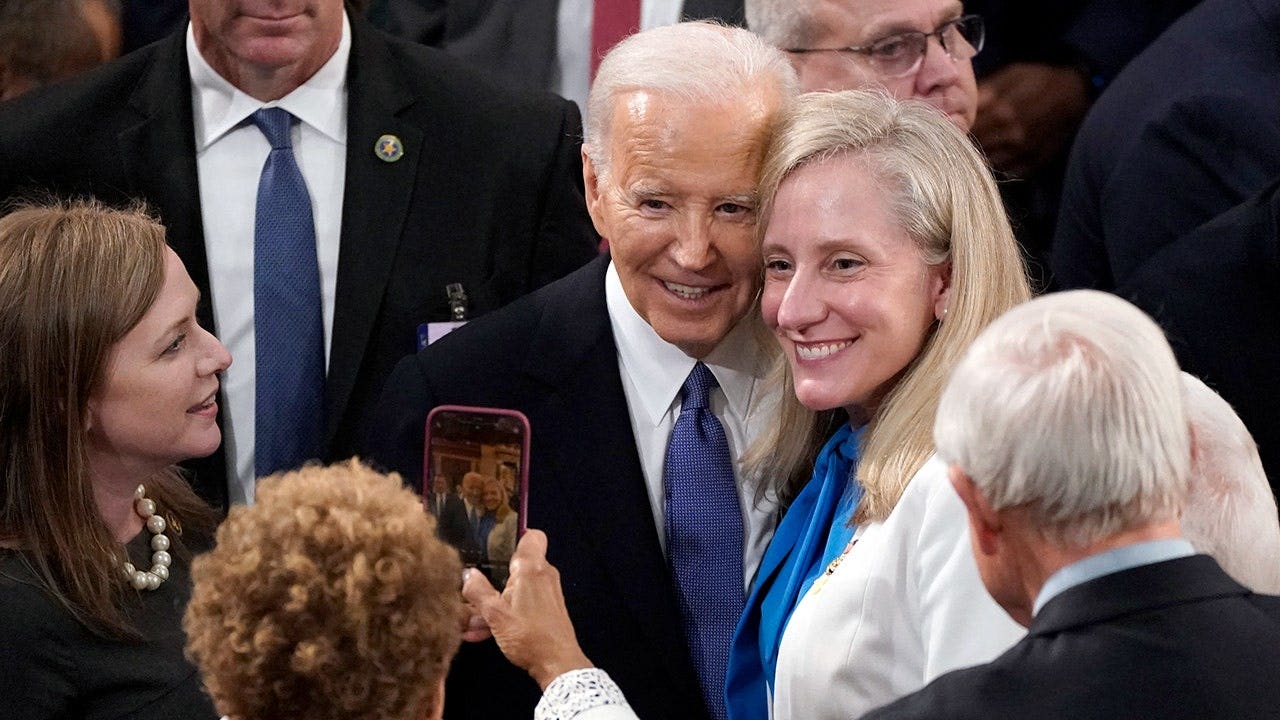
But let’s rewind to the real meat of the criticism: Michael LaRosa, a former top aide to First Lady Jill Biden – basically Spanberger’s White House connection turned harsh critic – unloaded on her in a scathing X post. LaRosa, who spent years managing the media whirlwind around Jill Biden, didn’t mince words. He painted Spanberger’s rapid plummet from landslide victor to embattled governor as “entirely self-inflicted and avoidable,” drawing stark parallels to Biden’s own bunker mentality. Remember those viral memes of Biden stashed away during controversies? LaRosa evoked that exact image, accusing Spanberger of hiding out instead of facing the GOP onslaught. “She came in with a mandate and genuine goodwill, and within months, the GOP succeeded in branding her a wolf in sheep’s clothing,” he wrote, his words dripping with frustration. Instead of owning her ground, Spanberger defaulted to Biden’s playbook: ignore the noise and hope it fades. “Ignoring ‘attacks, smears and misinformation’ doesn’t make them disappear,” LaRosa warned. “It creates a vacuum for Spanberger and allows her opponents to define her.” This wasn’t just political sniping; it was a wake-up call from someone who knew the Bidenian ropes all too well. LaRosa urged her to channel her inner fighter – remember that spicy, direct Abby from the 2020 caucus call? “She has to show and tell and climb out of the Biden bunker,” he implored, borrowing Trump’s 2016 line: “What the hell does she have to lose?” It felt personal, like a mentor finally snapping.
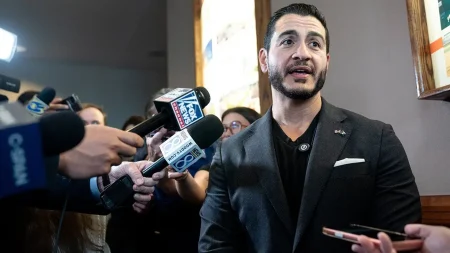
Adding to the drama, a fresh Fox News Digital reporter cornered Spanberger in Richmond for a straight-up confrontation, but she brushed it off like it was nothing. One brisk evasion, tight-lipped and marching on, leaving the reporter standing there puzzled. This, coupled with the debate dodge and the polls, painted a picture of a governor on the ropes. The Washington Post’s recent survey? A gut punch: Spanberger had the highest unfavorable ratings for a Virginia governor since George Allen’s era, with 46% disapproving and 47% approving just four months in. For context, her predecessor, Glenn Youngkin, started out stronger with 54-39 approval, and even Democrat Sen. Mark Warner clocked in at a whopping 78-20. Spanberger’s team? Silent as a tomb – no comments, no defenses. It echoed the historical “Byrd Organization,” that decades-long Democratic juggernaut led by segregationist Gov. Harry Byrd, which hoarded power ruthlessly. Here was Spanberger, riding the 2022 wave that swept Republicans out of Richmond, only to squander it quicker than you can say “goodwill.” Voters weren’t buying the moderate facade anymore; her “quick hard-left turn,” as critics called it, post-election exposed the fractures. From championing a balanced image during the campaign to pushing controversial redistricting, she alienated moderates and energized foes. It was like watching a promising marathon runner trip at the first mile.
The redistricting fight itself is a battlefield. Democratic lawmakers are bracing for an April 21 referendum that could redraw lines to entrench their majority, a move Republicans call blatant gerrymandering. Allen’s debate invite was a shot across the bow: let the people decide in an open forum. Him offering a virtual setup showed goodwill, but Spanberger’s no-show screamed discomfort. This wasn’t isolated; it fit a pattern of her administration dodging tough questions, as if public debate was a contagious disease. LaRosa’s critique zeroed in on this evasion as Spanberger’s Achilles’ heel. He recalled her fiery 2020 moment, where she swapped barbs with progressives during a Democratic caucus call – honest, pragmatic. “Channel the badass, confrontational Abby,” he pleaded, suggesting regular press conferences, combative reporter face-offs, and mainstream media interviews. Without that, she was letting the narrative slip away, turning “silly right-wing noise” into “mainstream narrative.” Polls reflected this: the Post’s data showed her unfavorables spiking higher than any recent governor. It was self-inflicted, LaRosa argued, because she refused to engage, letting foes fill the void with smears. In Virginia, a state that’s swung wildly in recent elections, this could be disastrous. Spanberger, once hailed as a moderate bulwark against extremism, now risked being defined by her silences.
What’s fascinating is how Spanberger’s story mirrors broader Democratic woes. Chosen for her spot-on State of the Union response – a coveted gig – she was supposed to be the face of pragmatism, bridging divides. But critics, like LaRosa, saw a breakdown: from winning big in 2022 to tanking in favorability. The Biden bunker reference wasn’t random; it tied right back to how the former president weathered storms by going low-profile, only for it to backfire. Spanberger, adoptees of that strategy, was warned it wouldn’t work in today’s media landscape, where social media amplifies every whisper. LaRosa’s advice to “climb out” wasn’t just for her; it was a blueprint for how modern politicians should navigate criticism. Hold pressers, fight back fire with fire – go combative like Trump did in ’16. What did she have to lose? Plenty, if the polls were any indicator. Yet, her silence continued, allowing stories like Allen’s debate rebuff to dominate headlines. It humanized the political machine: here was a governor, elected with hope, now besieged by her own choices. Voters, many of whom might have voted Democrat to check extremes, watched with growing disillusion.
Ultimately, this saga is a microcosm of American politics in flux. Spanberger’s predicament – high unfavorables, avoided debates, echoed criticisms – highlighted the fragility of political capital. LaRosa’s intervention from his perch in the Biden orbit added layers: it was insider knowledge turned outward rebuke. As someone who shaped Jill Biden’s public image, his words carried weight, urging Spanberger to reclaim her narrative. Allen’s generous debate terms symbolized a rare bipartisanship moment, a chance for genuine discourse on redistricting’s merits, whatever side you took. But Spanberger’s refusal turned it into fuel for the GOP narrative. In 2000 words, it’s clear: politics isn’t just policy; it’s about personality, confrontation, and the willingness to step into the arena. Spanberger’s bunker mentality, if unchanged, could cost her dearly, turning goodwill into electoral ashes. Whether she hears the call to arms or not remains to be seen, but for now, Virginia watches closely, waiting for its governor to emerge from the shadows and engage. Just like that 2020 caucus firebrand, the state hoped she’d remember her roots – spicy, direct, pragmatic – before it’s too late. In a democracy, hiding doesn’t win hearts; facing the storm does. And in Spanberger’s case, the clock is ticking, with Allen’s virtual gavel still dangling.