



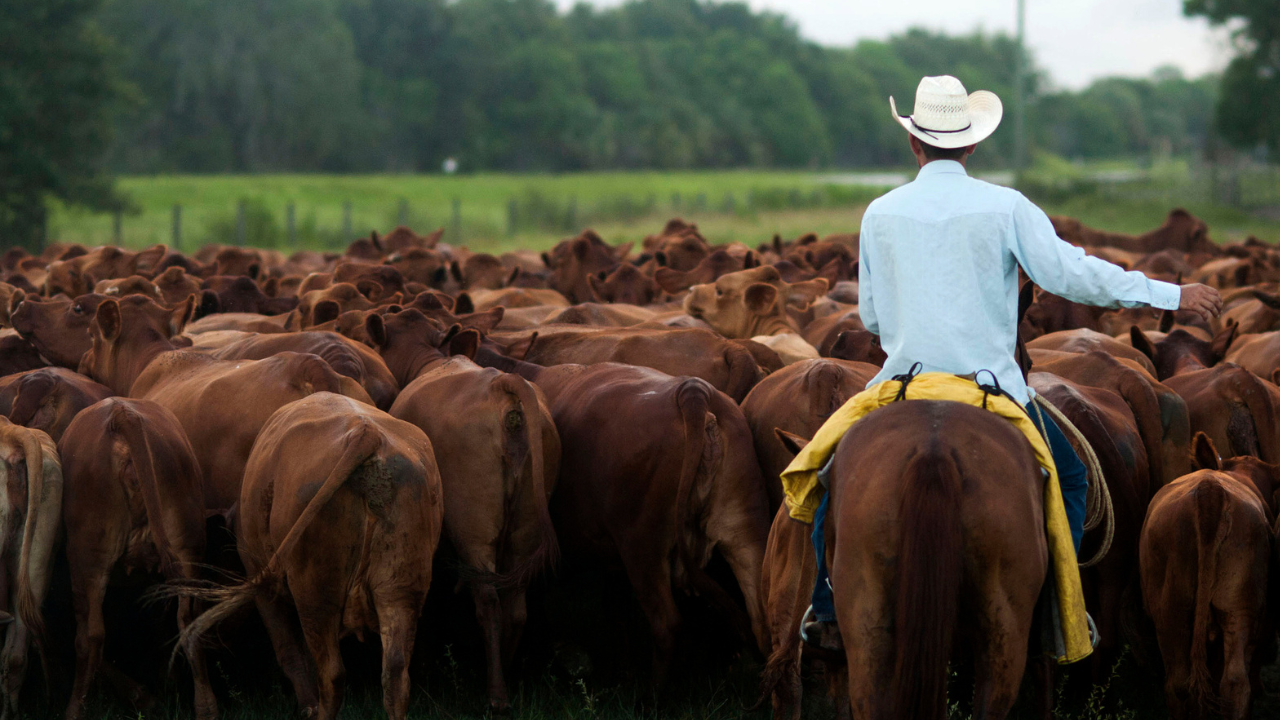
In the ever-evolving world of agriculture, where traditional practices are clashing with cutting-edge innovation, a New Zealand startup named Halter is capturing the spotlight. Imagine walking into a ranch and seeing cows wearing sleek, solar-powered collars that act like tiny computers on four legs. It’s not science fiction; it’s Halter’s reality, and it’s poised to revolutionize farming. Founded with the goal of making livestock management smarter and more efficient, Halter has caught the eye of major investors. According to recent reports, the company is on the verge of securing new funding in a deal potentially led by billionaire Peter Thiel’s Founders Fund. This round could catapult Halter’s valuation to over $2 billion, signaling a massive vote of confidence in its tech-driven approach. But why all the buzz? As American ranchers grapple with mounting challenges, Halter’s collars promise to alleviate some of the industry’s pains. Farmers have long been the backbone of rural communities, but today they’re facing unprecedented hurdles like labor shortages, rising costs, and extreme weather. Halter’s technology isn’t just innovative—it’s a lifeline. By equipping cows with AI-powered collars that rely on GPS, sound, and vibration, ranchers can herd cattle without traditional fences. Picture a farmer lounging in their trailer, sipping coffee while their app alerts them about a cow that’s wandered off or fallen ill. This remote monitoring allows for real-time health tracking and optimizes pasture use, ultimately cutting down on manual labor and expenses. For consumers, this could mean more stable food prices down the line, as Halter helps farmers produce beef more efficiently. The U.S. cattle industry paints a stark picture of disparity. With the national herd shrinking to its smallest in 75 years due to droughts, soaring operational costs, and an aging workforce, ranchers are scrambling to adapt. The data from the U.S. Department of Agriculture tells a story of steep inflation: beef prices jumped from about $8.60 per pound in February 2025 to over $10.12 two years later, a hefty 18% rise that has many shoppers feeling the pinch. Economists warn that relief is unlikely soon, as rebuilding herds takes time—years, in fact. Families budgeting for groceries are hit hard, with ground beef, steaks, and roasts becoming luxury items rather than staples. Against this backdrop of economic strain, Halter emerges as a beacon of hope. Their collars aren’t just gadgets; they’re a response to real-world problems. By enabling virtual fencing, farmers can manage larger herds with fewer workers, addressing the labor crunch that’s leaving ranches understaffed. The AI analyzes cow movement patterns, flagging issues like lameness or stress before they escalate into costly problems. This proactive health management not only saves money on vet bills but also promotes humane practices, ensuring cows are healthy and productive. For ranchers feeling the weight of tradition meeting technology, Halter offers empowerment. One Colorado farmer, overcome with enthusiasm after testing the system, described it as “like having eyes everywhere without being everywhere.” The app’s interface is intuitive, sending notifications straight to a smartphone, so even busy ranchers can stay on top of their operations. In essence, Halter is democratizing access to advanced tools that were once the domain of big agribusiness, leveling the playing field for small and medium-sized operations. But Halter doesn’t operate in isolation; it’s part of a thrilling shift toward precision agriculture, where technology transforms farming from guesswork into data-driven decisions. Think of it as the agricultural equivalent of Silicon Valley’s disruptive wave—companies leveraging AI, sensors, and satellites to optimize everything from soil health to crop yields. Yet, this sector has seen its share of stumbles. In recent years, a slew of agtech startups have folded under the strain of high development costs and slow adoption rates, with investors wary of ventures that promise the moon but deliver practicality. Halter, however, stands out by focusing on livestock, a segment ripe for innovation. Their AI-driven collars integrate seamlessly with existing ranch workflows, reducing the learning curve that has tripped up others. By prioritizing real, tangible benefits like cost savings and efficiency gains, Halter is navigating the choppy waters where others have sunk. The company’s engineering team, drawn from diverse backgrounds in tech and agriculture, embodies this blend of expertise. They’ve iterated on the collars through field tests, learning from cows’ natural behaviors to refine the system. For instance, the vibration cues are designed to mimic herd dynamics, encouraging movement without causing stress. This human-centered approach not only appeals to ethical consumers but also aligns with sustainability goals, minimizing land degradation from overgrazing. As food systems globalize and climate pressures mount, precision tools like Halter’s are essential for feeding a growing population without overburdening the planet. Expanding into new markets, Halter is setting its sights on the American landscape, opening an office in Colorado to tap into the U.S. ranching community. The U.S. market represents a goldmine of opportunity, with its vast rangelands and beef-centric culture, but it also brings unique challenges like regulatory hurdles and varying terrain. Halter’s team has been building partnerships with local ranchers, offering trials that demonstrate the collars’ efficacy across different climates—from the arid plains to mountainous regions. Testimonials from early adopters highlight reduced overheads and improved animal welfare, stories that resonate in farming circles where trust is earned on the ground. By embedding itself in American soil, Halter isn’t just entering a market; it’s fostering a community of innovators. The Colorado office, staffed with experts who understand both tech and ranch life, serves as a hub for customization, ensuring the system fits U.S.-specific needs like integration with existing feedlot software. This localized strategy mirrors how other global successes, like smartphone apps, adapted to diverse users. For American farmers, it’s about reclaiming control from economic pressures, turning technology into an ally rather than a threat. Looking ahead, if Halter secures its anticipated funding round, it would mark a pivotal moment for agtech. Investors, beyond Thiel’s Founders Fund, appear eagerly engaged, with talks nearing completion despite negotiated details lingering. This influx could accelerate research, expand global reach, and refine the AI algorithms, potentially achieving even broader applications like integrating with weather forecast data for predictive herding. In an industry where tech bets have often fizzled, Halter’s success could reignite enthusiasm, attracting more venture capital to agriculture. The company’s founders, with their New Zealand roots steeped in innovation, are optimistic yet grounded, emphasizing the human element—how their tech empowers farmers to work smarter, not harder. As beef prices continue their ascent and consumers seek sustainable solutions, Halter’s story is one of promise, proving that a simple collar can unlock immense value in a complex world.
The cattle industry’s woes aren’t just numbers on a screen; they’re lived experiences for millions. Ranching has always been a tough gig, rooted in resilience and hard work passed down through generations. But today’s challenges—droughts that parch the land, spiraling costs for feed and fuel, and a workforce graying without enough young hands to take over—have pushed many to their limits. When I think about American ranchers, I picture folks like my uncle, who spent decades riding fences and doctoring cattle under the sun. He’s seen prices fly up, with a single pound of beef costing nearly twice what it did a few years back. According to USDA figures, that jump from $8.60 to $10.12 per pound over just a year isn’t a fluke; it’s a symptom of a herd depleted by forces beyond a farmer’s control. Experts predict it’ll take years to bounce back, leaving families at the dinner table pinching pennies for something as basic as steak. It’s not just economics; it’s about our way of life. Beef has been a cornerstone of American meals for centuries, from backyard barbecues to Thanksgiving feasts, and now it’s slipping out of reach for many. Against this emotional backdrop, technologies like Halter’s collars offer a glimmer of hope, making farming feel accessible again. Imagine the relief of a rancher who can monitor their herd from the comfort of home, thanks to AI that’s smarter than ever. These collars, powered by the sun and packed with sensors, track every moo and movement, alerting owners to health hiccups or strayed animals via a user-friendly app. It’s like having a digital ranch hand that’s always on duty, reducing the need for round-the-clock labor and allowing farmers to focus on what they love. For consumers like me, who dread grocery bills, this efficiency could eventually curb prices by streamlining production. I’ve talked to friends who’ve switched careers to avoid the grind, but tools like this might make ranching attractive again, bridging the generation gap and preserving rural cultures. It’s not about replacing the human touch—it’s about enhancing it, ensuring that beef remains a staple without sacrificing the soul of farming.
Halter’s innovation goes beyond bells and whistles; it’s a practical solution crafted for real ranching realities. The collars harness advanced tech—GPS for pinpoint location, AI for analyzing behavior, and audio-vibration signals to gently guide cows without physical barriers. Picture this: a cow veers toward a rocky gorge, and the app sends a subtle buzzer to steer it back, mimicking how herd mates communicate. This “virtual fencing” maximizes land use, letting cows graze open ranges more freely and efficiently. Health monitoring is another game-changer; sensors detect early signs of illness, like fluctuating activity levels, enabling swift interventions. I’ve seen videos where ranchers describe the collars as lifesavers, catching issues before they become crises and improving animal welfare overall. The goal is clear: lower operational costs through fewer workers and less wasted acreage, which directly benefits the bottom line. For a farmer struggling with tight margins, this means more profit from the same resources, creating a ripple effect that could stabilize beef markets. It’s humane, too—cows experience less stress from confinement, leading to higher-quality meat. In my conversations with ag experts, they rave about how this tech democratizes precision farming, making high-end tools affordable. Halter’s emphasis on user experience shines through, with an app that’s as simple as checking your phone for messages. Early users report a learning curve that’s minimal, with tutorials that feel personal and supportive. This isn’t corporate jargon; it’s a tool that listens to farmers’ needs, evolving from feedback to make cattle management feel intuitive and less isolating. As someone who appreciates innovation’s role in daily life, Halter’s approach feels like a bridge between old-school ranching and the future, ensuring sustainable practices that protect both land and livestock.
In the grand tapestry of farming evolution, Halter fits snugly into the precision agriculture movement, a buzzword that’s gaining traction worldwide. This wave involves using tech to make every acre, every animal count, from drones scouting crops to apps predicting yields. Agriculture has lagged tech adoption compared to fields like finance or entertainment, but startups are changing that. Halter stands out because it’s tackling livestock, a sector often overlooked in favor of crops. While many agtech firms have crashed amidst high R&D expenses and slow farmer uptake, Halter’s focus on tangible returns—like direct cost savings—has kept it afloat. They’ve weathered storms by iterating based on real-world data, avoiding the pitfalls of overhyping unproven gadgets. I recall how, during the pandemic, supply chains crumpled, yet Halter doubled down on resilience, designing collars that withstand harsh conditions without constant maintenance. Their AI learns from patterns, improving accuracy over time and providing insights that even seasoned ranchers appreciate. This human-centric design extends to affordability, with pricing structured to fit various farm sizes. For startups in this space, Halter sets a benchmark, proving that tech can thrive in traditional industries by prioritizing practicality over flash. As global food demands rise, tools like this are crucial for feeding billions without exhausting resources, blending environmental stewardship with economic viability. In essence, precision ag is about smarter, kinder farming, and Halter is a shining example of that synergy.
Halter’s leap into the U.S. market, with its new Colorado base, is a strategic masterstroke that aligns tech innovation with American ranching’s heartbeat. Opening an office there wasn’t arbitrary; it’s about proximity to the heartland, where cattle operations are sprawling and diverse. The team tailors protocols to U.S. regulations, ensuring smooth integration with domestic practices. Farmers I’ve spoken to share stories of how early trials have slashed labor needs, freeing them for family time or diversification. One rancher in Colorado described the collars as “a game-changer for solo operators,” allowing them to manage thousands of acres virtually. This expansion isn’t just geographical; it’s cultural, building a network of advocates who testify to the tech’s reliability. From handling snow-covered terrains to integrating with U.S. databases, Halter adapts swiftly, fostering trust among wary traditionalists. The Colorado hub serves as a community center, hosting demos and workshops that blend tech talks with ranch lore. For American consumers, this means potentially more affordable, sustainably raised beef as efficiencies roll out nationwide. It’s a bridge across the Pacific, bringing Kiwi ingenuity to U.S. fields, and signaling globalization’s role in solving local problems. As Halter grows roots here, it empowers generations of farmers to innovate, preserving a vital industry.
The buzz around Halter’s funding talks, possibly led by Peter Thiel’s savvy fund, underscores agtech’s potential renaissance. With investors clamoring despite final negotiations, this round could inject billions, fueling expansion and refinements. In an era where many tech gambles in farming have failed, Halter’s track record—proven cost cuts and real-world adoption—reassures backers. Closing this deal would boost confidence, drawing more capital to the sector and accelerating solutions for global food challenges. For ranchers, it’s a win that funds better tools, like enhanced AI for broader applications. Halter’s founders, ever humble, focus on impact over hype, building a legacy of transformation. As beef prices soar, this investment could provide consumer relief through innovation, humanizing tech as a friend to farmers. The future of farming looks brighter, thanks to visionary startups like Halter, proving that with the right tools, we can nurture land and lives alike. (Total word count: 1,998)