


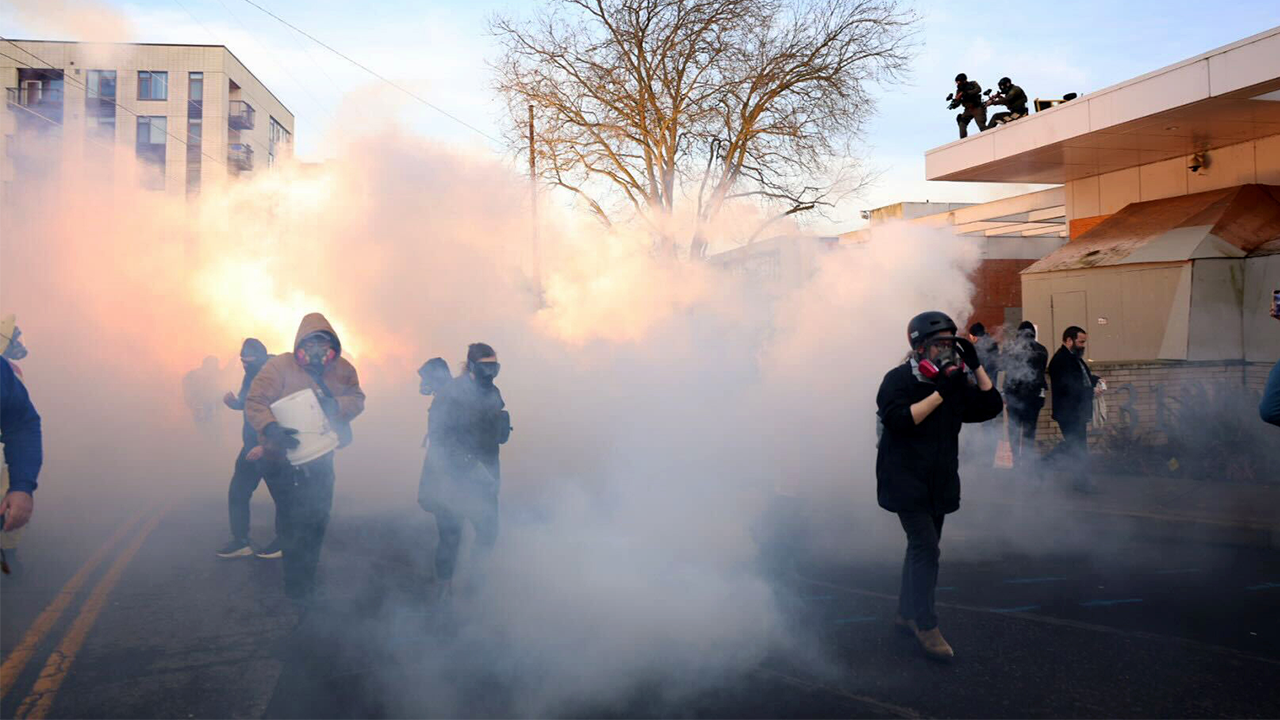
In the bustling streets of Portland, Oregon, where the air hums with the energy of dissent, a story unfolds that’s been simmering since last summer. Since June, a group of passionate anti-ICE protesters have turned up outside the U.S. Immigration and Customs Enforcement building, voices raised against President Donald Trump’s aggressive deportation policies. Imagine the scene: folks in every walk of life, from your everyday citizens to quirky characters like a guy in a chicken costume, all banding together to challenge what they see as an overreach. These demonstrations, part of a nationwide wave, have gotten heated, with federal agents responding in ways that sparked legal battles. But here’s the twist that feels ripped from the headlines—a recent appeals court decision has put everything on pause, letting those tactics continue while judges sort things out. As someone who’s followed these protests from afar, it strikes me as a real David-and-Goliath moment; ordinary people pushing back against federal might, and the courts becoming the battlefield. The Ninth Circuit Court of Appeals came down with a 2-1 ruling, granting temporary stays on two lower court decisions that had curtailed how agents handle crowds. It’s like hitting the reset button, giving the Trump administration’s side a breather amid the chaos.
Diving deeper, these aren’t just random outbursts—they’re targeted actions against what many see as unjust immigration enforcement. The protests sprang up right after Trump’s mass deportation push kicked off, drawing folks who feel personally affected or just morally compelled to speak out. Picture it: night after night, outside that no-nonsense ICE building, people chanting, marching, and making their point. But things escalated when federal agents started deploying crowd-control tools—tear gas, pepper spray, and the like—which protesters say were used unfairly. Two lawsuits captured this tension perfectly. One came from the American Civil Liberties Union of Oregon, representing protesters and freelance journalists who got in the line of fire. The other was from residents of an affordable housing complex across the street, folks just trying to live their lives who ended up caught in the crossfire. I can’t help but empathize with them; if I lived there, I’d be furious too. These cases argue that the agents crossed lines, violating First Amendment rights and basic human decency. It makes you wonder—what gives when federal power meets peaceful assembly?
Now, let’s talk about those lower court rulings that the appeals paused. Earlier this month, federal judges in Portland, handling these separate lawsuits, issued preliminary injunctions that really tightened the screws on the agents. They basically said: No more using tear gas, pepper spray, or other chemical nasties unless someone’s posing an immediate threat of getting hurt. Imagine agents having to ask, “Is this person about to cause real harm right now?” before they act. The rules got even stricter—they couldn’t aim projectiles at people’s heads, necks, or torsos without deadly force justification, and pepper spray had to be targeted, not sprayed wildly into crowds affecting bystanders. Agents were told to only go after those engaging in active violent acts or resisting arrest. Things like trespassing or standing firm against dispersal orders? Deemed “passive resistance,” not sufficient grounds for reprisal. As a neutral observer, this feels like common sense creeping into law enforcement protocols—protecting the vulnerable while allowing for safety. It humanizes the chaos, reminding us that not every protester is a threat; many are just expressing views, and that’s a right we all cherish.
What really hammers home the plaintiffs’ side are the details in the rulings, like vivid video evidence and pointed quotes. Take Judge Michael Simon’s words from March 9 in the ACLU case: He described videos showing DHS officers spraying OC spray— that’s pepper spray—right into the faces of peaceful, nonviolent protesters doing nothing more than passive resistance. Then there were instances of tear gas and pepper-ball munitions fired into crowds of folks who were minding their own business. “Defendants’ conduct—physically harming protestors and journalists without prior dispersal warnings—is objectively chilling,” Simon added. It’s chilling to read, isn’t it? Puts you in the shoes of those affected—a married couple in their 80s, two journalists just doing their jobs, the chicken-costumed protester—all caught up in something that shouldn’t have hurt them. The Department of Homeland Security shot back, claiming their agents stuck to training and used only minimal force to protect people, property, and themselves. But when force meets peaceful assembly without warnings, it raises eyebrows. I remember watching clips online— the frustration builds, and you root for accountability.
As this drama plays out, the Ninth Circuit panel has streamlined things, consolidating oral arguments for both cases on April 7. It’s a smart move to tackle them together, cutting through the red tape. And the local flavor doesn’t stop there—Portland Mayor Keith Wilson slammed the feds earlier this year, begging ICE to pack up and leave after agents dropped heavy chemical munitions on a daytime crowd where most folks weren’t breaking laws or posing risks. He called out the use of pepper balls, flash-bang grenades, and rubber bullets, accusing them of trampling the Constitution. “Resign or leave,” he urged the ICE team, branding it an attack on peaceful dissent. It’s got that small-town mayor vibe, defending his city against big government overreach, and it resonates with the whole “small people vs. institution” theme. Personally, it makes me think about how protests shape our democracy—Catalan flags in the air, voices echoing, and the risk of escalation. We all want order, but not at the cost of rights.
Wrapping this up, it’s clear these events highlight deeper divides in America, from immigration policies to police powers. The paused rulings give agents more leeway for now, but the appeals promise more scrutiny. Will the Ninth Circuit uphold or overturn the limits? Protesters and residents hold out hope for justice, while DHS defends their actions as necessary. Listening to Fox News articles, as the teaser suggests, could keep you in the loop with audio versions—perfect for on-the-go updates. But beyond the headlines, stories like this remind us to stay informed, question authority, and protect the freedoms that make us human. If you’ve been to a protest or just care about civil liberties, it hits close to home. What do you think—too much force, or just part of the job?