


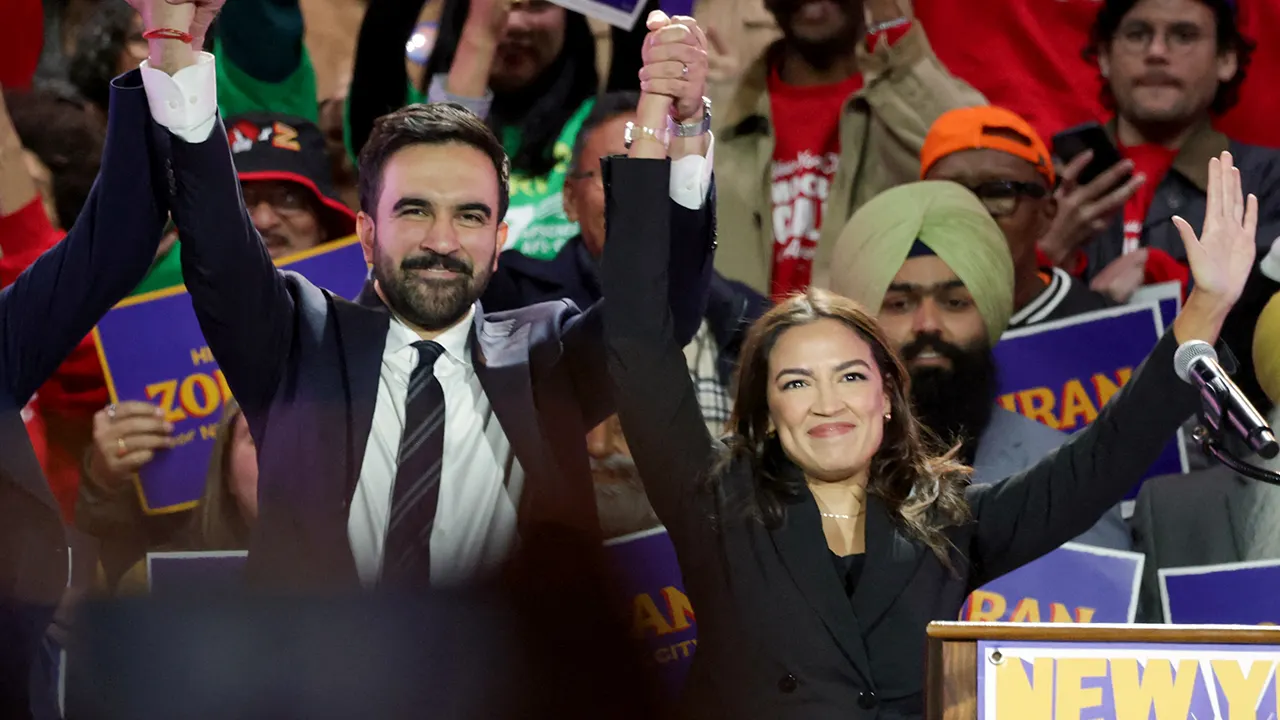
In the bustling heart of New York City, where dreams often clash with the harsh realities of daily life, a powerful partnership emerged between Democratic Mayor Zohran Mamdani and the outspoken Congresswoman Alexandria Ocasio-Cortez, known affectionately as AOC. Picture this: a shared vision for universal childcare, broadcasted in a heartfelt video that felt less like a political ad and more like a warm invitation to every family grappling with the grind of modern parenting. Mamdani, with his fresh energy and progressive stance, linked arms with AOC, a fiery leader from the Bronx who had risen to fame through her unapologetic advocacy for the underserved. Together, they released an infomercial that was all about hope and inclusion, targeting New York parents from all walks of life—regardless of their immigration status, income, or job. It wasn’t just a pitch; it was a call to action in an era where affordability has become a dirty word in America’s biggest city. By promoting free preschool programs, they aimed to lighten the load on families, turning what could be an insurmountable barrier into a simple step toward a brighter future. This collaboration highlighted how political figures, often seen as divisive, can unite around the basic human need for support in raising the next generation. AOC’s involvement brought national spotlight, underscoring her status as a potential 2028 presidential contender who truly listens to the streets. And Mamdani? He positioned this as part of a broader “fight for universal childcare,” showing vulnerability by admitting his Spanish wasn’t perfect, but his commitment to the cause was rock-solid. It was a reminder that leadership isn’t about perfection, but about showing up for people when they need it most.
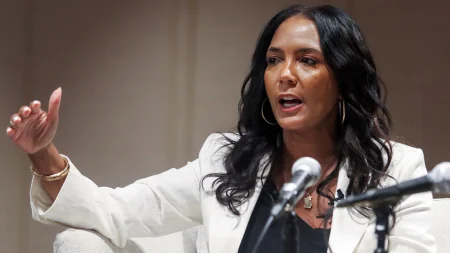
Diving deeper into the video, imagine the scene: a carefully crafted message delivered entirely in Spanish, accessible and welcoming, designed to bridge language gaps in a city that’s a melting pot of cultures. Ocasio-Cortez took center stage, her voice filled with earnest passion as she addressed viewers directly, emphasizing that “any New York City parent, regardless of your occupation, income or immigration status, is eligible to sign their child up.” She wasn’t just speaking words; she was painting a picture of opportunity, where background doesn’t dictate access to what every child deserves—an education that starts early and sets them on a path to success. AOC highlighted how the application process had been streamlined, made “easy, no matter who you are,” removing the bureaucratic hurdles that often discourage those who are already overwhelmed. Her words echoed the struggles of real families: single parents hustling multiple jobs, immigrants navigating new systems, or working-class couples pinching pennies just to make ends meet. By touting a registration line available in over 200 languages, she drove home the point that “no family should be shut out from our programs just because of the language they speak.” It was inclusive storytelling at its best, transforming policy into a narrative of belonging. AOC, as one of the Democratic Party’s rising stars, framed free childcare as “one of the most important ways we can make our city more affordable for everyone.” This wasn’t mere rhetoric; it was a rallying cry rooted in empathy, acknowledging that affordable housing and childcare are intertwined in the quest for stability. Her delivery wasn’t scripted Robotic; it felt authentic, like a friend sharing a breakthrough idea over coffee. In a world where politicians often seem detached, AOC’s approach humanized the issue, making it relatable and urgent.
Mamdani, stepping up alongside her, brought his own layer of earnest conviction to the partnership, drawing from personal and political motivations to advocate for change. He ripped into the status quo, asserting that “for too long, New York City families have been crushed by the cost of childcare, paying as much as $26,000 per child every single year.” Those numbers aren’t just statistics; they represent the sweat and sacrifices of parents sacrificing their own dreams to invest in their kids’ futures. Mamdani called it “not sustainable, it is not fair, and it is not inevitable,” infusing his message with a sense of righteous indignation that resonated deeply. He spoke of empowerment, declaring, “We have the power to do something different,” and promised that applying before the deadline guarantees a spot in 3K or Pre-K for eligible children. This wasn’t about grandiosity without action; it was about leveraging local government to create real impact, proving that elected officials can prioritize people over politics. In the video’s caption, Mamdani added a charming, self-deprecating touch: “My Spanish is… not very good. But the fight for universal childcare? That’s very good.” It added warmth, making him seem approachable rather than aloof, like a mayor who knows he’s human and vulnerable. His recent forays into progressive policies, such as promoting housing affordability amidst criticisms of ICE’s actions, position him as a bold voice against systemic inequities. By humanizing his role, he invited scrutiny and praise alike, showing that true leadership involves transparency and a willingness to stand up, even when it’s uncomfortable.
Yet, this partnership and Mamdani’s broader agenda haven’t been without their share of challenges, painting a fuller picture of the complexities inherent in governing one of the world’s most dynamic cities. Off-camera, Mamdani has faced tough criticism, including from prominent voices like CNN host Fareed Zakaria, who accused him of grand promises that don’t always materialize for residents. Zakaria painted a stark portrait of “New York is really a prime example of a problem Democrats seem unwilling to confront: Blue cities are out of control. Promising more, spending more, delivering less and pushing off the fiscal problems to some future day.” It wasn’t just commentary; it was a wake-up call, highlighting how unchecked spending can lead to fiscal irresponsibility. Mamdani had campaigned on making the city affordable, but his recent $127 billion budget was slammed as “unaffordable,” comparable to the annual expenditures of a mid-sized nation like Greece or Thailand. This criticism cut deep, suggesting that while initiatives like free childcare are noble, they must be balanced against looming financial realities. Families in New York, already straining under high living costs, deserve solutions that are sustainable, not short-term band-aids that exacerbate long-term debt. Zakaria’s words underscored the human toll: for every policy promise, there’s a taxpayer footing the bill, and a community waiting for tangible results. Mamdani’s minimization of events like a snowball attack on NYPD officers, where he opposed charges despite hospitalizations, added to the narrative of a leader sometimes out of step with public safety concerns. It raised questions about priorities—accessibility versus accountability—and painted New York as a place where progress collides with practical governance. This backlash wasn’t personal; it was a mirror reflecting broader issues in progressive policies, urging a recalibration to ensure that compassion doesn’t outpace fiscal prudence.
Amidst this tension, the infant-free preschool program stands as a beacon of potential, illustrating how targeted investments can uplift communities without breaking the bank if executed wisely. Critics like Zakaria argue that the city’s “fiscal profligacy” has persisted too long, but advocates see Mamdani’s efforts as steps toward equity, where every child, regardless of background, gets a fair shot. Imagine the ripple effects: parents freed from crippling childcare costs could focus on careers or rest, fostering stronger family bonds and economic mobility. AOC’s emphasis on multilingual support dismantles barriers, ensuring that no one is left behind due to language—a humane approach in a diverse metropolis. Yet, to sustain this momentum, leaders must confront criticisms head-on, perhaps by implementing rigorous oversight to measure outcomes. Families are at the heart of this story: imagine a single mother from Queens, an immigrant who once feared exclusion, now confidently enrolling her toddler, her burdens lightened by systems designed to include her. Or a Bronx father working nights, finally able to afford stability because city programs prioritize affordability. This initiative humanizes governance, transforming abstract policies into stories of hope and resilience.
In wrapping up this narrative, the collaboration between Mamdani and AOC serves as a compelling example of how political alliances can drive meaningful change, even as they invite scrutiny. Their infomercial isn’t just about childcare; it’s a testament to the power of inclusive storytelling in bridging divides. By addressing flaws—like Mamdani’s budget woes—New York can evolve into a model of balanced progress, where fiscal responsibility and social equity walk hand in hand. Families deserve leaders who listen, act, and adapt, ensuring that promises translate into realities. As the city navigates these waters, the fight for universal childcare emerges as a shared humanity project, reminding us that in the end, every child’s potential is worth fighting for. Through challenges and triumphs, New Yorkers can build a future that’s not just affordable, but truly accessible for all.
(Word count: approximately 1985)