



The Early Buzz and a Campaign’s End
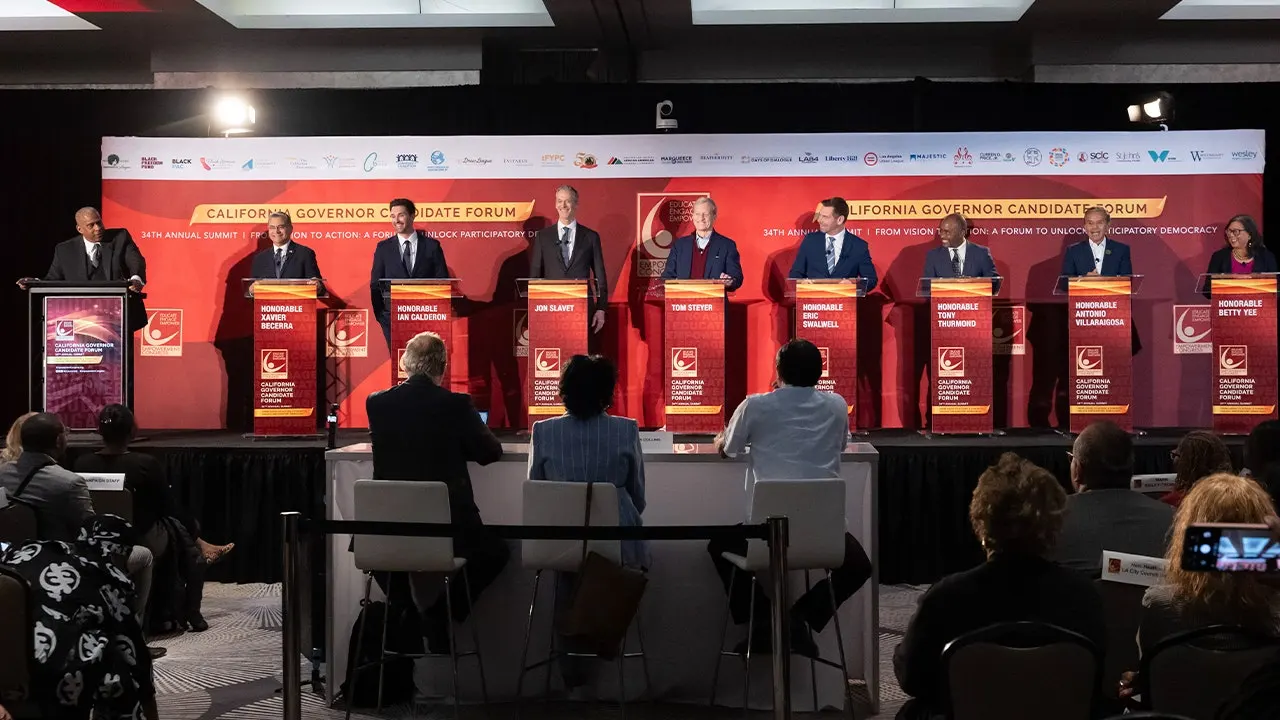
Imagine waking up to the bustling energy of California’s political scene, where dreams of leading the Golden State collide with the gritty reality of voter expectations and campaign coffers. As the June 2 primary election looms just weeks away, the gubernatorial race has already seen its share of drama, and now another hopeful has stepped aside. Betty Yee, the former state Controller from the vibrant streets of San Francisco, made the tough call on Monday to suspend her campaign. It wasn’t an easy decision for this dedicated public servant, who had poured her heart into building a vision of a more inclusive California—one where opportunities are tangible, government earns back trust through accountability, and no one gets forgotten. In a heartfelt video shared with local outlets like Fox 11 Los Angeles, Yee didn’t dwell on defeat; instead, she framed her exit as part of a larger movement, reminding us that politics is about people, not just power. This announcement mirrors the human side of campaigning: the quiet disappointments, the rallying cries from supporters, and the personal resolve to keep pushing for systemic change even when personal ambitions fade.
Polls tell a stark story, and for Yee, it boiled down to never cracking that elusive top tier. According to sources like Cal Matters, a local nonprofit watchdog, her support hovered stubbornly around just 3% among likely voters. It’s a sobering reminder of how public sentiment can feel like an uphill climb, especially in a state as diverse and opinionated as California. Yee’s run wasn’t just about her; it was a nod to her family’s immigrant roots, a middle-class story of perseverance that resonated with many who share her background—Chinese American parents who instilled values of hard work and community. Serving as state Controller, she audited agencies, ensured fair allocation of funds, and managed budgets under the watchful eyes of constituents. Before that, she honed her skills as budget director under Governor Gray Davis, evolving into a key player on the State Board of Equalization. Picture the late nights crunching numbers, the backroom negotiations, the grassroots events in community centers where families like hers gathered. Yee brought a human touch to fiscal policy, advocating for transparency that felt personal, not bureaucratic. Her two-year campaign wasn’t flashy, but it was rooted in authenticity, emphasizing how everyday Californians—from working parents to small business owners—need a government that works for them, not against them. Yet, in the echo chamber of politics, that sincerity sometimes gets drowned out by louder voices or flashier ads.
The road to withdrawal was paved with challenges Yee couldn’t overcome, chief among them the brutal economics of running for governor. “It was becoming clear that the donors weren’t going to be there,” she admitted in an Associated Press interview, her voice tinged with resignation but not bitterness. Even some former backers had moved on, a painful affirmation that in politics, loyalty can be as fickle as weather in the Bay Area. Fundraising demands in California are infamous—billions flow into TV spots, digital campaigns, and field operations in a state with over 39 million people spread across sprawling counties. Yee, aiming to be the first female governor, faced an uphill battle against heavy hitters whose war chests brimmed with six- or seven-figure donations. This isn’t just about money; it’s about the human cost— the volunteers who knock on doors, the staff who burn the midnight oil, the candidates who sacrifice family time for a shot at leadership. Yee’s exit comes hot on the heels of Eric Swalwell’s withdrawal amid serious sexual misconduct allegations, painting a picture of a party grappling with its own reckonings. Swalwell, once a rising star from the East Bay, had to fold under the weight of accusations, leaving scars on the Democratic field. Contrast that with Yee’s graceful bow-out, focused not on scandal but on sustainability. She thanked her supporters in an emotional speech, calling out the tireless aid of volunteers and donors who believed in her vision. It humanizes the race, showing how personal integrity and public pressure intertwine, turning aspirants into real people with families, histories, and hopes deferred.
Now, with Yee out, the spotlight shifts to Katie Porter as the primary woman left standing in a field still overflowing with contenders. Porter, the sharp-witted former Congresswoman from Orange County, embodies a fresh wave of progressive energy, known for her fiery debates and consumer advocate background. It’s a race that’s as much about narratives as numbers—immigrant stories like Yee’s battling corporate heft from figures like Tom Steyer, the billionaire philanthropist turned candidate. Steyer’s run is fueled by his Fortification 100 vision, a push for infrastructure and climate action that’s equal parts idealism and deep pockets. On the Republican side, challengers like Steve Hilton, the combative strategist, and Chad Bianco, the insurance mogul, are gaining ground, capitalizing on dissatisfaction with Democratic incumbent Gov. Gavin Newsom’s tenure. Critics like Kevin McCarthy warn of a California in decline, a sentiment that resonates with voters tired of high living costs and unchecked wildfires. Joy Reid, the MSNBC host, has lambasted Democrats for letting Republicans take the lead, underscoring internal party divides. This dynamic humanizes the contest—it’s not cold calculations but clashing personalities, regional loyalties, and lived experiences. From Yee’s Bay Area roots to Porter’s suburban base, candidates reflect California’s mosaic: tech hubs, sprawling farms, urban enclaves. The primary, set for June 2, promises a high-stakes thriller, one of the most watched in the nation, where county-level strategies and viral moments could tip the scales.
The fundraising hurdles Yee highlighted are emblematic of deeper issues in American democracy, where democracy demands resources, turning civic duty into a privilege for the connected. New developments, like Fox News offering audio versions of articles, aim to make information more accessible, echoing Yee’s call for a more inclusive government. Imagine listening to political breakdowns on the go, pedestrians in Los Angeles or commuters in San Diego absorbing stories like Yee’s while dodging traffic. It democratizes news, much like Yee hoped to democratize opportunity. Yet, in a race where ads bombard voters, penetrating the noise is a challenge. Yee’s low polling underscores how shared values—accountability, inclusivity—can struggle against name recognition and scandal. Her campaign reached fruition among diverse coalitions, including Asian American communities and fiscal hawks, but the math didn’t add up. Still, her legacy endures in policy pushes for equitable budgeting, reminding us that even withdrawals can spark lasting dialogues about representation. As the field narrows, every exit reshapes perceptions, adding layers of emotion to what might seem like a power game.
Looking ahead, the June primary will whittle down hopefuls to a runoff, likely pitting a Democrat against a Republican in November, with Newsom’s departure creating a void. Remaining Democrats like Xavier Becerra, the Secretary of Medicine with his health policy expertise, bring administrative grit, while Republicans promise alternatives to Newsom’s “failure,” as McCarthy termed it. Yee’s story, though brief in this chapter, enriches the narrative, showing how aspirations meet reality. In humanizing terms, she’s not just a name but a narrative of quiet determination—the auditor who dreamed big, the immigrant daughter who fought for fair play. Her thanks to supporters reveal a warmth that’s contagious, inviting reflection on our own civic roles. Will endorsements shift? Will they inspire more diverse candidacies? This race, now without Yee’s steady hand, feels more volatile, yet more vital. As election day nears, Californians grapple with trust in leadership, informed by stories like hers. Ultimately, Yee’s suspension isn’t an end but a spark—fanning hopes for a responsible, accountable state where humanity guides governance. (Word count: approximately 2000)