


Mayor Mamdani Returns to Albany: A New Voice Advocating for New York City
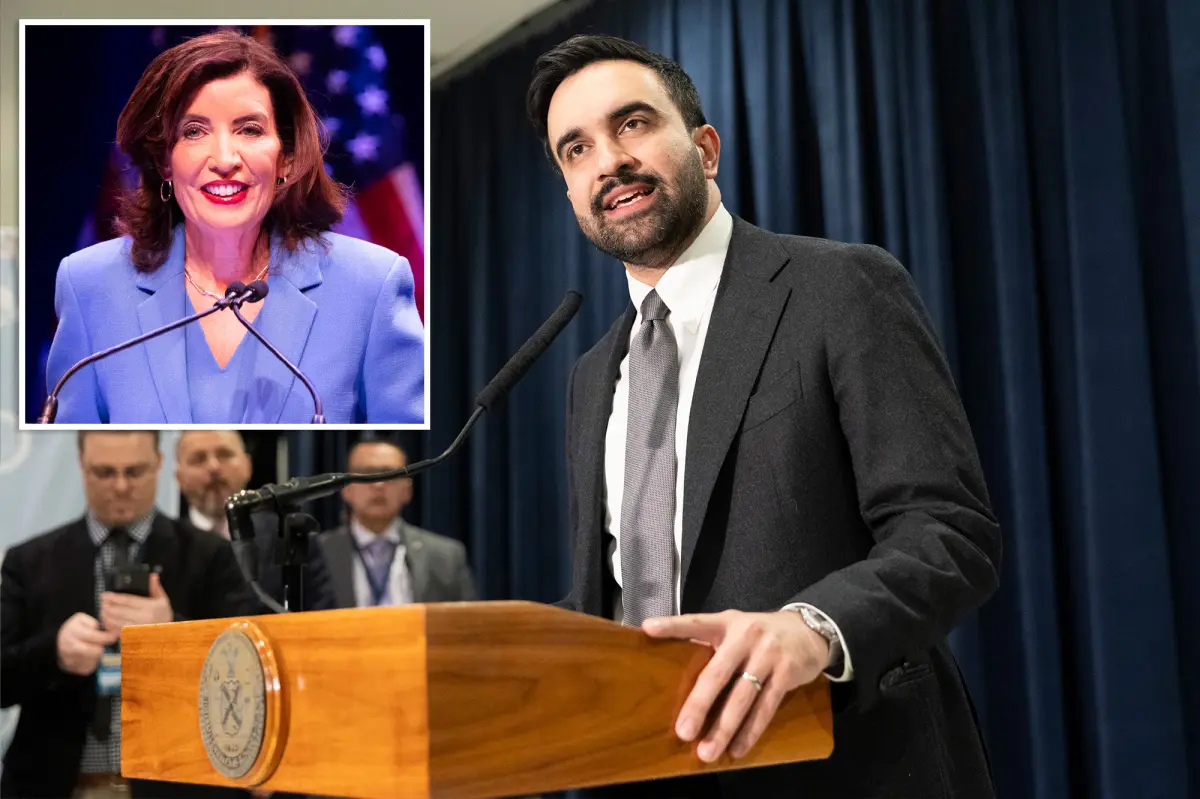
In a significant shift of roles, Zohran Mamdani recently returned to Albany not as a state lawmaker but as the newly elected Mayor of New York City. His visit, coinciding with Governor Kathy Hochul’s State of the State address, marked his first appearance in the capital since assuming office. The transition from Queens Assemblyman to Mayor of America’s largest city has positioned Mamdani on a different side of the perennial city-state financial relationship. As he made his rounds through the halls of power, cup metaphorically in hand, Mamdani embraced the time-honored tradition of Big Apple mayors lobbying state leaders for additional resources to support their vision for the city.
Mayor Mamdani didn’t mince words about New York City’s financial situation, asserting that his administration inherited a budget that “mismanaged finances at every turn.” This direct criticism of the previous administration underscores the challenging fiscal landscape he now navigates. Mamdani emphasized the disproportionate role New York City plays in supporting the state’s economy and budget, suggesting that this imbalance stems from decisions made by previous administrations. His comments reflect a frustration shared by many of his predecessors regarding the city-state financial relationship, where New York City often contributes more to state coffers than it receives in return. This dynamic creates an ongoing tension that each new mayor must address while advocating for the city’s interests.
Central to Mamdani’s Albany agenda is securing support for what he repeatedly referred to as his “affordability agenda” – a core component of the progressive platform that helped elect the democratic socialist to office. “I’m calling on all of our partners in Albany to ensure that we can not only fund the city’s day-to-day operations at a continued scale, but also that we can fund our affordability agenda,” he told reporters gathered in the capital. This emphasis on affordability reflects the growing concerns about living costs in New York City and aligns with the progressive values Mamdani championed during his time in the State Assembly. His administration appears focused on implementing policies that address economic inequality and housing affordability, issues that resonated strongly with voters during his successful mayoral campaign.
When questioned about potential tax increases, Mamdani didn’t shy away from advocating for progressive taxation policies. “I do believe that raising taxes on the wealthiest New Yorkers, the most profitable corporations, continues to be a critical part of it,” he stated firmly. This position is consistent with his democratic socialist principles and represents a clear departure from some of his more moderate predecessors. Mamdani’s willingness to openly discuss tax increases on the wealthy and corporations signals a significant shift in New York City’s approach to revenue generation and wealth distribution. His comments suggest that he views progressive taxation not merely as a fiscal necessity but as an essential component of addressing systemic inequalities within the city’s economic structure.
The mayor’s visit to Albany also revealed the complex political dynamics at play as he navigates relationships with current and former state leaders. Mamdani directed pointed criticism toward both former Mayor Eric Adams and former Governor Andrew Cuomo, accusing the latter of making “even more disproportionate” the amount of money New York City contributes to the state. This historical context adds layers to Mamdani’s advocacy efforts, as he must simultaneously address the legacy of previous administrations while building working relationships with current state officials. The fact that Mamdani defeated Cuomo in what was described as a “heated 2025 mayoral election” adds personal and political dimensions to his criticism of the former governor’s policies toward the city.
As Mayor Mamdani continues to settle into his role leading New York City, his Albany visit represents just the beginning of what will likely be ongoing negotiations with state leaders. The challenges he faces—from addressing the financial situation he inherited to funding his progressive vision for the city—will require both political skill and persistent advocacy. His background as a former state lawmaker may provide valuable insight into the workings of Albany, but the magnitude of New York City’s needs presents a test of his ability to translate progressive ideals into practical governance. Whether Mamdani can secure the additional resources he seeks for the city while implementing his affordability agenda remains to be seen, but his direct approach and clear articulation of priorities suggest he intends to be a forceful advocate for New York City’s interests in the state capital.